Baby Sleepwear Guide: Dress by Room Temperature
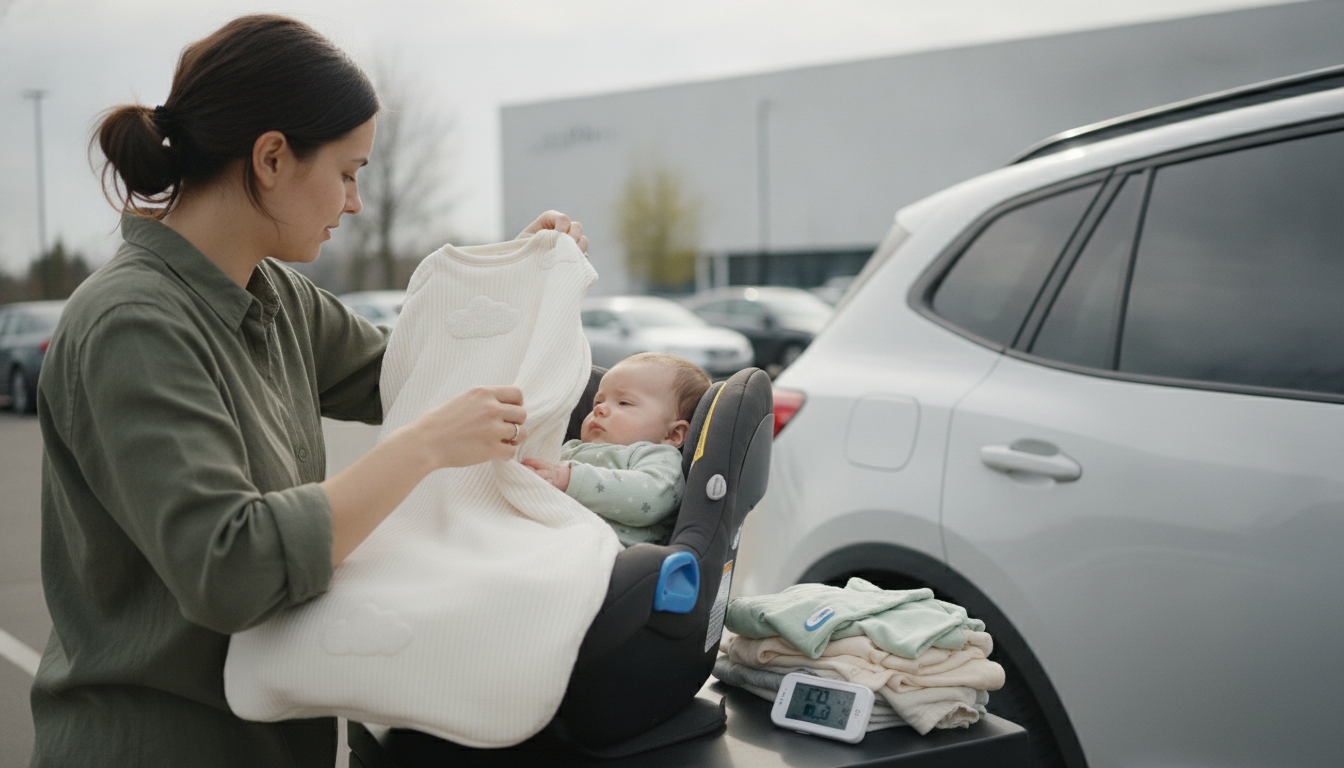
What should a baby wear to sleep guide?
What a baby wears to sleep should keep them comfortably warm without overheating. A simple rule: dress your baby in one light layer more than an adult would wear in the same room. For many homes, that means a breathable cotton onesie or footed sleeper plus a wearable blanket (sleep sack) instead of loose blankets.
Start with the room temperature. If the nursery runs warmer, choose lighter fabrics and fewer layers; if it runs cooler, add warmth with a higher-tog sleep sack or a warmer sleeper rather than piling on bulky clothes. Avoid hats for sleep indoors, since babies release heat through their heads and hats can increase overheating risk.
Simple sleep outfit examples by temperature
Warm room (about 74°F+): short-sleeve bodysuit or just a diaper with a light sleep sack, depending on baby’s comfort.
Comfortable room (about 68–74°F): cotton footed sleeper with a lightweight sleep sack, or a long-sleeve bodysuit with a medium-weight sleep sack.
Cool room (below about 68°F): warmer footed pajamas plus a warmer sleep sack. If needed, add a bodysuit under the pajamas rather than using blankets.
How to tell if your baby is dressed right
Check the back of the neck or chest: it should feel warm and dry, not sweaty. Cool hands and feet can be normal, especially for younger babies; focus on the core. If your baby wakes frequently, seems fussy at bedtime, or rubs their eyes and yawns, adjusting timing and comfort can help. For a helpful rundown of tired signs and timing, see this baby sleep cues checklist.
For Baby Sleepwear Guide: Dress by Room Temperature, the best answer depends on fit, material, care instructions, and how the product will be used day to day.
FAQ
How do I know if my baby is too hot at night?
Look for sweating, damp hair, flushed cheeks, or a hot chest/back. Remove a layer and recheck the back of the neck after a few minutes.










Leave a comment