Stress Acne: What It Looks Like and Common Signs
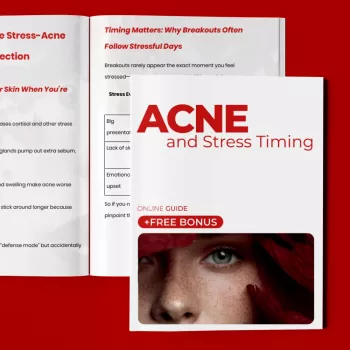
What does stress acne look like?
Stress acne typically shows up as a sudden “cluster” of breakouts rather than a single isolated pimple. It often looks like inflamed red bumps (papules) and tender pimples (pustules) that feel sore, especially when you touch them or wash your face. Some people also notice deeper, achy bumps under the skin that take longer to settle down.
Visually, stress-related breakouts can appear more widespread and less predictable than your usual pattern. Instead of one or two spots, you may see several blemishes popping up in the same week, sometimes across multiple areas. Many people notice it around the chin, jawline, cheeks, and forehead—places that also tend to flare when hormones, sleep, and daily habits get thrown off.
Common signs that a breakout may be stress-related
It happens after a stressful period. Breakouts often follow exams, travel, big deadlines, poor sleep, or emotional strain.
The skin looks more reactive. Along with pimples, you may see extra redness, oiliness, or irritation, especially if you’re rubbing your face, wearing a mask, or cleansing more aggressively.
It comes with congestion. Stress can coincide with clogged pores, so you might notice more blackheads/whiteheads mixed in with inflamed bumps.
Why it can look worse than “normal” acne
Stress can push the skin toward more oil production and inflammation, which can make blemishes look redder and feel more tender. Stress also tends to disrupt routines—sleep, hydration, diet, and skincare consistency—so the breakout may appear more intense or take longer to calm down.
For a deeper look at timing (including how soon breakouts can show up after stress) and what helps, visit this guide on stress acne timing and breakouts.
For Stress Acne: What It Looks Like and Common Signs, the best answer depends on fit, material, care instructions, and how the product will be used day to day.
FAQ
How long does stress acne last?
It can fade in a few days to a couple of weeks, depending on how inflamed it is and whether clogged pores are involved. If stress continues or you pick at blemishes, it may linger longer and leave marks behind.










Leave a comment