Screen Time by Age: Practical Limits for Kids & Teens
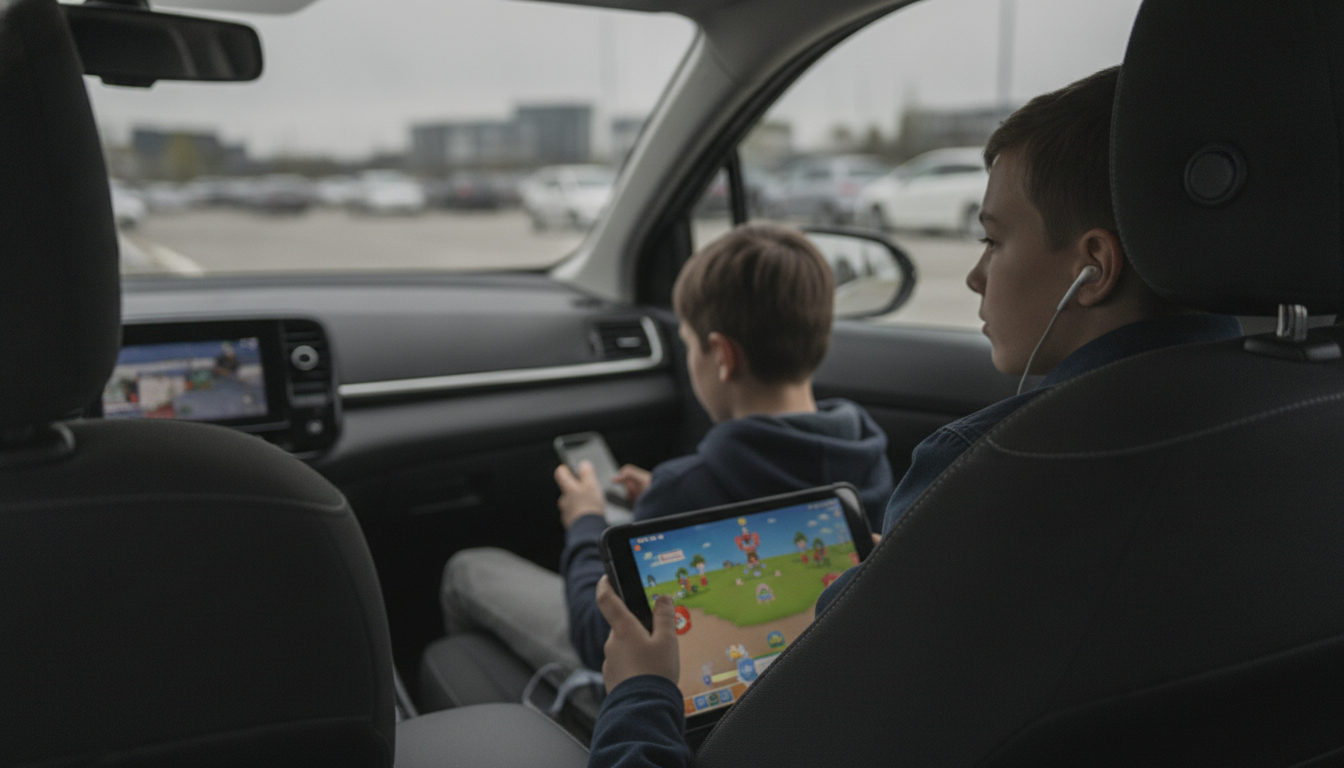
How much screen time is okay per age?
“Okay” screen time depends on age, what the screen is used for, and what it replaces (sleep, outdoor play, family time). A practical starting point is to follow widely cited pediatric guidance and then adjust for your child’s mood, behavior, and daily routine.
Age-by-age screen time guidelines
Under 18 months: Avoid solo screen time. Video chatting with family is generally the exception.
18–24 months: If you introduce screens, keep it high-quality and watch together so you can explain and connect it to real life.
Ages 2–5: Aim for about 1 hour per day of high-quality content, ideally co-viewed. Short, predictable blocks are usually easier than open-ended access.
Ages 6–12: There’s no single “perfect” number, but many families do well with 1–2 hours of recreational screen time on school days, with more flexibility on weekends. The priority is that screens don’t crowd out sleep, homework, movement, and offline hobbies.
Teens (13+): Focus less on a strict cap and more on healthy boundaries: no phones during class, meals, or in bed; protect sleep; and balance social media/gaming with responsibilities and in-person connection.
How to tell if it’s too much for your child
Screen time is likely exceeding a healthy level if you notice more tantrums when it’s time to stop, irritability after use, slipping grades, less interest in offline activities, or bedtime battles tied to devices. Another red flag is “sneaky” use—screens becoming the default coping tool for boredom, stress, or conflict.
Make the limits easier to live with
Set “device-free anchors” (meals, the first hour after school, and the last hour before bed), keep charging outside bedrooms, and use timers so the limit isn’t negotiable. If you want a step-by-step reset plan for the whole household, see the full guide here: https://imperatia.com/guide-screen-time-kids-behavior-family-reset-plan/.
FAQ
What are some signs my child is addicted to screen time?
Common signs include intense distress when screens are removed, needing more time to feel satisfied, hiding or sneaking device use, and screens interfering with sleep, school, or friendships. If these patterns persist, it can help to tighten routines and talk with a pediatrician or mental health professional.











Leave a comment