Nordic Oval Ceramic Countertop Basin: Luxury Spa Look
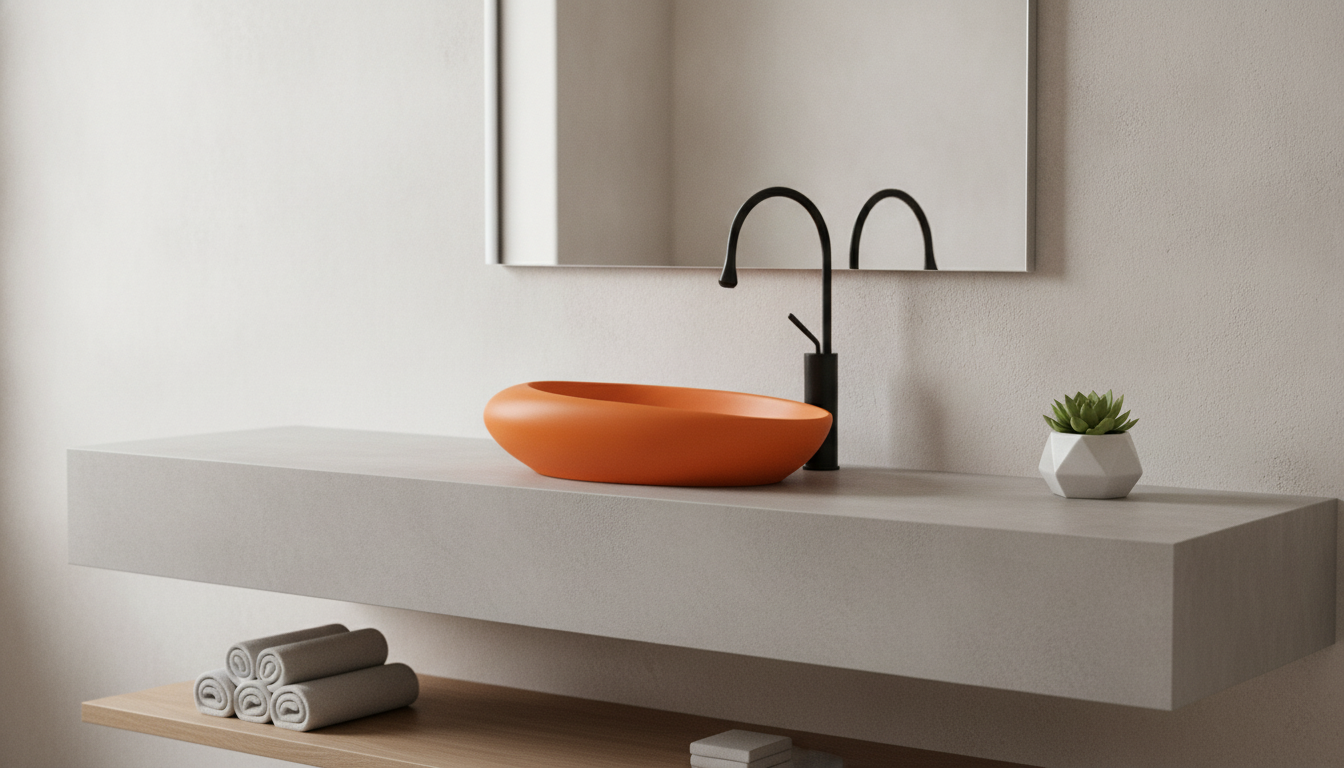
Luxury Nordic Oval Ceramic Countertop Basin: Minimal Form, Everyday Comfort
A Nordic-inspired oval countertop basin brings calm lines and a sculptural focal point to modern bathrooms. With smooth ceramic glazing and an above-counter silhouette, it pairs naturally with wall-mounted or tall deck faucets while keeping cleaning simple and the vanity surface visually light. For more guidance, see Davivy White Marbling Ceramic Vessel Sink With Pop-Up Drain.
What Makes This Basin Feel Nordic
Nordic design is often defined by restraint, warmth, and practical beauty. An oval countertop basin captures that mood by turning the sink into a soft, quiet centerpiece rather than a busy cluster of angles and seams. For further reading, see [PDF] 2019 design trends bathrooms | nkba.
- Oval silhouette with softened edges to reduce visual clutter
- Countertop installation creates a spa-like, furniture-style vanity look
- Ceramic body with glossy glaze for a clean, bright finish
- Works across minimalist, Japandi, and contemporary interiors
Materials and Finish: Why Ceramic Performs Well
Glazed ceramic remains a go-to for bathrooms because it handles frequent use without demanding complicated maintenance. The glaze creates a smooth, non-porous surface that’s comfortable to touch and easy to refresh with a quick wipe-down after daily routines.
- Glazed ceramic resists everyday staining from soaps and cosmetics when cleaned routinely
- Smooth non-porous surface helps with quick wipe-down maintenance
- Color stability: glazing maintains a consistent tone under typical bathroom lighting
- Pairs naturally with chrome, brushed nickel, matte black, and brass faucet finishes
For water efficiency, pairing the basin with a quality low-flow bathroom faucet can also support better day-to-day use. The EPA’s guidance on WaterSense bathroom sink faucets is a helpful reference when comparing flow rates and aerators.
Sizing and Fit: Planning the Vanity and Faucet
A countertop basin looks effortless when the surrounding details are planned. Before ordering hardware or cutting a countertop, confirm the basin’s footprint, faucet geometry, and cabinet plumbing clearance so the final setup feels centered and splash-resistant.
- Confirm countertop depth so the basin sits comfortably without crowding the backsplash
- Leave clearance behind the basin for faucet reach if using a deck-mounted faucet
- Check faucet spout height and projection to reduce splashing and ensure centered water flow
- Plan for adequate space around the basin for daily items (soap, tray, toothbrush cup)
Countertop Basin Planning Checklist
| Decision | What to Measure/Confirm | Why It Matters |
|---|---|---|
| Vanity depth | Countertop depth and usable flat area | Prevents overhang issues and keeps the basin stable |
| Faucet type | Wall-mount vs tall deck-mount; spout reach | Ensures water lands near the drain and reduces splatter |
| Drain compatibility | Drain hole size; pop-up vs grid drain | Avoids mismatched hardware and installation delays |
| Counter cutout | Template/cutout size required by the basin | Helps achieve a secure, centered install |
| P-trap clearance | Cabinet interior space and plumbing position | Prevents interference with drawers/shelves |
Installation Overview (Countertop Mount)
Countertop basins are typically straightforward to set, but the details matter—especially the drain seal and the silicone bead where the basin meets the countertop. If plumbing lines must move (or if you’re switching from a deck faucet to a wall-mount), professional help can save time and avoid leaks.
- Dry-fit the basin to confirm placement and faucet alignment before sealing
- Use a quality waterproof silicone sealant where the basin meets the countertop
- Tighten drain components evenly to protect the ceramic and ensure a watertight seal
- Check for leaks after installation and re-tighten gently if needed
- Consider professional installation if moving plumbing lines or switching to a wall-mounted faucet
For a practical refresher on supply lines, traps, and common connections, InterNACHI’s plumbing basics is a useful overview.
Daily Use: Comfort, Splash Control, and Cleaning
The most comfortable countertop basin setups are the ones that feel calm in motion: the water stream hits close to the drain, the rim stays drier, and cleanup takes seconds rather than minutes. Small choices—like an aerator or a slightly longer spout reach—often make the biggest difference.
- Center the spout over the drain and choose an aerated flow to reduce splash
- Clean with mild soap and a soft cloth; avoid abrasive pads that can dull the glaze
- Rinse toothpaste and cosmetics promptly to prevent film buildup
- Use a non-abrasive bathroom cleaner for periodic deep cleaning and shine maintenance
For routine bathroom cleaning habits and product-type guidance, the American Cleaning Institute’s bathroom cleaning tips can help with keeping surfaces bright without unnecessary abrasion.
Design Pairings That Elevate the Look
An oval ceramic basin tends to read as “designed” even in a simple bathroom, which makes it a strong anchor for finishes and textures. The goal is to keep supporting elements quiet and intentional so the basin’s form stays the focal point.
What to Expect at This Price Point
Featured Items Available Now
- Luxury Nordic Oval Ceramic Countertop Basin ($679.47)
- How to Choose the Perfect Laptop for Your Job – A Practical Work Laptop Buying Guide for Professionals, Freelancers & Remote Workers ($6.99)
- Building Financial Intimacy in Relationships: A Practical Guide to Navigating Money Conversations Together ($9.99)
FAQ
Do countertop basins work with standard bathroom vanities?
Yes, as long as the vanity top can accommodate the basin footprint and the cutout/drain location. Confirm countertop depth, faucet placement (wall vs tall deck), and interior cabinet clearance for the trap and water lines.
How is a ceramic basin best cleaned without damaging the finish?
Use mild dish soap or a non-abrasive bathroom cleaner with a soft cloth. Avoid scouring pads and harsh abrasives; rinse and dry to reduce water spots and soap film.
Will an oval basin splash more than an undermount sink?
Splash depends mainly on faucet height, spout reach, and flow rate. Aim the stream near the drain, use an aerator, and choose a spout height that doesn’t drop water from too high above the basin.








Leave a comment