Remove Bird Droppings Safely: No Scratches, No Etching
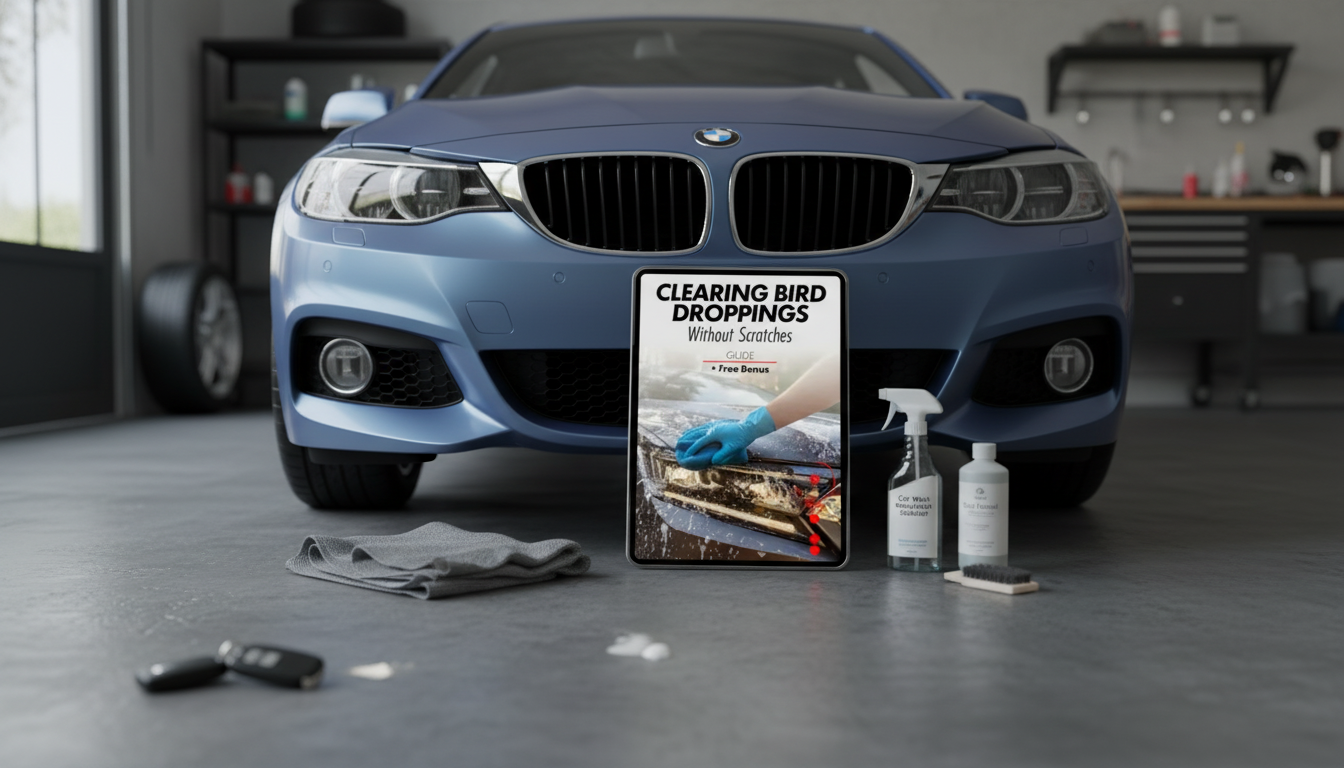
Clearing Bird Droppings Without Scratches: Easy Paint-Safe Cleaning & Prevention
Bird droppings can stain, etch, and dull clear coat fast—especially in sun and heat. The safest approach is to soften first, lift contamination with lubrication, then restore protection so the paint is less likely to bond with the next mess. A calm, paint-safe process usually takes minutes and can prevent the “dull ring” look that shows up when residue bakes into the finish.
Why bird droppings can damage paint so quickly
Uric acid plus grit is a bad combo
Bird droppings contain uric acid and concentrated salts that can weaken wax or sealant. Many droppings also carry tiny bits of grit (dust, sand, seed hulls). If the spot is wiped dry, that grit can act like sandpaper and leave fine scratches or haze in the clear coat.
Heat accelerates etching
On a hot panel, moisture evaporates quickly, the acids concentrate, and the residue can “stamp” into the clear coat. In strong sun, some finishes can show visible etching within hours—sometimes faster on darker colors or softer clear coats.
Repeated spots compound the damage
Each event strips a little protection. If the paint is already under-protected, the next dropping bonds more aggressively, making safe removal harder and increasing the odds of permanent dulling.
What to do immediately (the first 2 minutes)
- Get to shade: If possible, move the vehicle out of direct sun. A cooler surface slows the chemical reaction and makes softening easier.
- Don’t dry-wipe: Avoid paper towels, napkins, and quick “one swipe” removal. Even gentle pressure can grind grit into the clear coat.
- Flood and soften: Mist the spot with water or a properly diluted rinseless wash. Then lay a damp microfiber towel over the dropping for 2–5 minutes to rehydrate and loosen the edges.
Paint-safe removal: step-by-step (no scratches)
This method focuses on lubrication, minimal pressure, and constantly presenting a clean towel surface to the paint.
- Prep: Put on nitrile gloves if available. Grab two clean plush microfiber towels and a detailing spray (or rinseless wash at the correct dilution in a spray bottle).
- Soften: Saturate one microfiber towel and gently hold it on the droppings. Let the moisture do the work. Re-wet as needed so the towel stays damp and slippery.
- Lift—don’t scrub: Once the edges release, wipe in one direction with very light pressure. After each pass, refold the towel to a clean section before wiping again.
- Buff gently: Use the second towel to lightly pick up remaining moisture. Avoid circular rubbing if there’s any chance debris is still present.
- Final check: Re-mist the area, wipe once more with a clean towel face, then dry with a fresh microfiber. If any specks remain, repeat the soften-and-lift process rather than pressing harder.
Quick comparison of safe cleanup options
Choose the method based on how fresh the droppings are, what products are available, and whether the panel is hot.
| Method | Best for | Time | Scratch risk | Notes |
|---|---|---|---|---|
| Damp microfiber “soak and lift” | Fresh to moderately dried spots | 3–8 min | Low | Most paint-safe when kept well-lubricated and towel stays clean |
| Detail spray / rinseless wash lubrication | Light residue and final passes | 2–5 min | Low | Use generous product; wipe one direction and refold often |
| Waterless wash (quality formula) | Fresh droppings when no hose is available | 3–6 min | Low–Medium | Only safe with heavy lubrication and plush microfiber; avoid on gritty deposits |
| Clay bar / synthetic clay (with lubricant) | Stuck-on residue after removal | 5–15 min | Medium | Can mar soft paint; follow with polish if needed |
| Solvent or aggressive cleaner | Not recommended for routine cleanup | Varies | Medium–High | May degrade wax, stain trim, or haze clear coat; spot-test if ever used |
Common mistakes that cause scratches and haze
- Paper towels, shop rags, or old T-shirts: The fibers and trapped debris can increase marring, especially on dark paint.
- Scraping with fingernails or cards: Even “soft” plastic can drag grit and leave micro-scratches.
- Cleaning on a hot panel: Products flash-dry, droppings harden, and etching risk climbs.
- Reusing the same towel face: Once a towel section collects residue, it becomes a grit carrier.
If a dull ring or etching remains
Sometimes the mess is gone but the mark stays. Work from least aggressive to more involved correction:
Prevention that actually helps
A simple guide that fits in the glovebox
When a surprise spot shows up, having a short checklist prevents the two most common causes of damage: dry wiping and over-scrubbing. For a compact reference that’s easy to follow under pressure, consider Clearing Bird Droppings Without Scratches – A Smart Car Care Guide.
If you like keeping maintenance routines organized with quick checklists, Train Smarter and Make Your Gear Last – Sports Gear Care Guide can also help with simple “grab-and-go” care habits that translate well to car-care kits (clean towels, rotation schedules, and keeping supplies ready).
Helpful references from trusted car-care sources
- Meguiar’s: Removing Bird Droppings and Other Paint Contaminants
- 3M Auto: Paint care and surface cleaning resources
- International Carwash Association: Car care basics
FAQ
Can bird droppings permanently damage clear coat?
Yes. If left in heat or sun, acids and concentrated salts can etch into the clear coat and leave a dull spot that may require polishing or professional correction.
Is it safe to remove bird droppings with just water and a towel?
Only if the spot is fully softened and the towel is clean and well-lubricated. Dry wiping or wiping gritty deposits is a common cause of scratches.
What should be kept in the car for emergencies?
Keep plush microfiber towels, a small bottle of detail spray or rinseless wash mix, and disposable gloves. A gentle process and clean towels matter more than force.










Leave a comment