No-Pain Shoe Checklist: Stylish Shoes That Stay Comfy
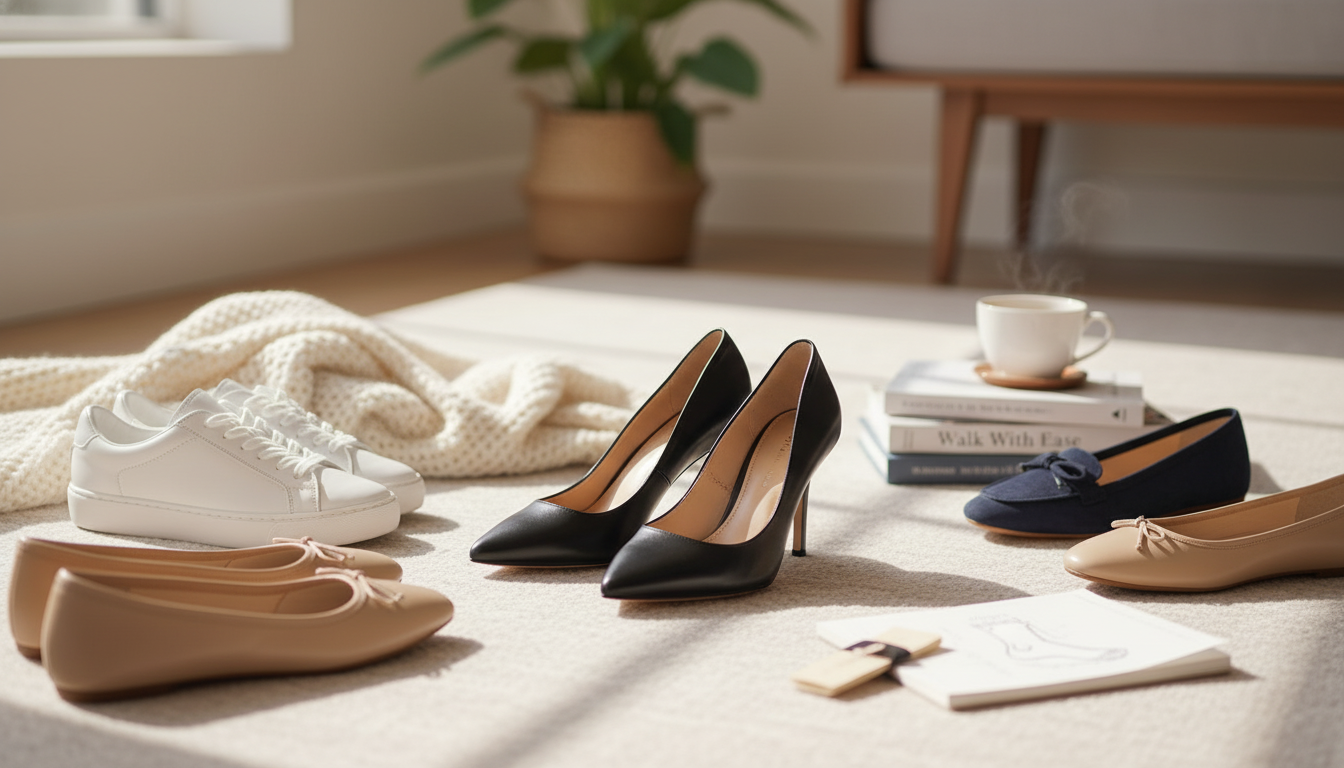
The No-Pain Shoe Checklist: Stylish, Comfortable Shoes Women Actually Wear
Comfort and style do not have to compete. The difference between a “cute but painful” pair and an all-day favorite usually comes down to a handful of fit and design details that are easy to miss when shopping fast. Use the checklist below to spot supportive features, avoid common pressure points, and choose shoes that look polished while staying comfortable from morning errands to evening plans.
Start With the Fit Baseline
Before you judge any shoe, lock in a reliable fit baseline. Many “uncomfortable shoe” complaints are actually size, width, or volume issues that no amount of cushioning can fix.
- Measure both feet (length and width) and fit the larger foot; size can change over time and across brands.
- Shop later in the day when feet are slightly more swollen to reduce the chance of buying too-tight shoes.
- Leave toe room: a small gap in front of the longest toe helps prevent nail pressure and rubbing.
- Check width honestly; pinching at the ball of the foot is a common cause of “break-in” pain that never truly resolves.
- If between sizes, prioritize width and volume over length; too-narrow shoes often create forefoot burning and blisters.
If you’re regularly between sizes, pay attention to where you feel the “tightness.” Tight at the toes and forefoot typically means you need more width or a roomier toe box—not necessarily more length.
No-Pain Feature Checklist (What to Look For in Seconds)
When a shoe looks great but you only have a minute to evaluate it, these quick checkpoints help you avoid the most common pain triggers.
- Toe box: look for a shape that matches the natural forefoot (rounded or anatomically wide instead of sharply tapered).
- Midsole cushioning: choose resilient cushioning that compresses slightly but springs back, not flat foam that “bottoms out.”
- Arch support: aim for gentle, even contact under the arch; overly aggressive arches can be as uncomfortable as none.
- Heel counter: a firm (not rigid) heel counter helps stabilize the rearfoot and reduce wobble in flats, sneakers, and boots.
- Flex point: the shoe should bend near the ball of the foot, not in the middle of the arch.
- Outsole grip: prioritize traction patterns for smooth floors and sidewalks to reduce tension from compensating steps.
- Seams and lining: minimize bulky interior seams around toes and the side of the big toe to prevent hotspots.
- Adjustability: laces, straps, or buckles allow micro-adjustments as feet swell throughout the day.
Quick No-Pain Shoe Checklist
| Checkpoint | What “Good” Looks Like | Fast Test in Store/At Home |
|---|---|---|
| Toe box | Toes can spread without rubbing | Wiggle toes; no sidewall pressure |
| Length | Small space beyond longest toe | Stand and press front; toes shouldn’t touch |
| Width/volume | No pinching at ball or instep | Walk 20–30 steps; no tingling or burning |
| Flex point | Bends at forefoot | Twist lightly; avoid shoes that fold at mid-arch |
| Heel security | Heel stays put with minimal slip | Heel counter feels supportive; no rubbing |
| Cushioning | Feels protective without instability | Step down firmly; cushioning rebounds |
| Arch feel | Even contact, no sharp pressure | Stand still; no “hot spot” under arch |
| Adjustability | Can tighten/loosen easily | Try with thin and thicker socks (if relevant) |
Style Without Regret: Choosing by Shoe Type
Different shoe categories create different pressure points. Use these style-specific cues to keep the look you want without paying for it later.
- Sneakers: look for stable platforms, removable insoles (helpful if using orthotics), and breathable uppers for long wear.
- Flats: prioritize a structured heel counter, a slight heel (low wedge can feel better than dead-flat), and cushioning under the ball of the foot.
- Heels: choose lower heel heights, a wider heel base, and a roomier toe box; avoid steep pitch that forces weight forward.
- Sandals: pick adjustable straps (especially over the forefoot), a contoured footbed, and a secure heel strap if walking longer distances.
- Boots: ensure adequate calf/ankle room, stable outsoles, and interior padding at the ankle collar; watch for stiff seams at the pinky toe area.
Materials and Construction That Reduce Hotspots
For more general guidance on healthy footwear, consult resources from the American Podiatric Medical Association (APMA) and the American Orthopaedic Foot & Ankle Society.
Try-On Routine: A 5-Minute Test That Prevents Returns
Comfort Tweaks That Keep Great Shoes in Rotation
Printable Checklist for Smarter Shoe Shopping
If you want a ready-to-use version you can save or print, see The No-Pain Shoe Checklist: Discover Stylish and Comfortable Shoes for Women. For anyone pairing new shoes with a more active routine, Train Smarter and Make Your Gear Last – Sports Gear Care Guide is a helpful companion for keeping everyday essentials (like insoles and performance items) in better condition longer.
FAQ
Should comfortable shoes feel good immediately, or is breaking in normal?
Comfort should be immediate in the areas that bear pressure: toes, ball of foot, and heel should not pinch, rub sharply, or cause numbness. Mild stiffness in the upper can soften, but pressure points usually get worse with time—do short test walks and stop if pain appears.
What heel height is most comfortable for walking longer distances?
Many people do best in a low, stable heel or slight wedge rather than a completely flat sole or a high heel. Prioritize a steady base, a non-steep pitch (so weight isn’t forced forward), and enough toe box room over the number on the heel height label.
How can a stylish flat be made more supportive?
Look for a flat with a structured heel counter, cushioning under the heel and forefoot, and a slight heel or low wedge for better alignment. If the shoe has enough internal volume, a supportive insert can help—just avoid crowding the toes or creating new pressure at the instep.










Leave a comment