Chronic Stress in the Body: Symptoms and Gentle Healing
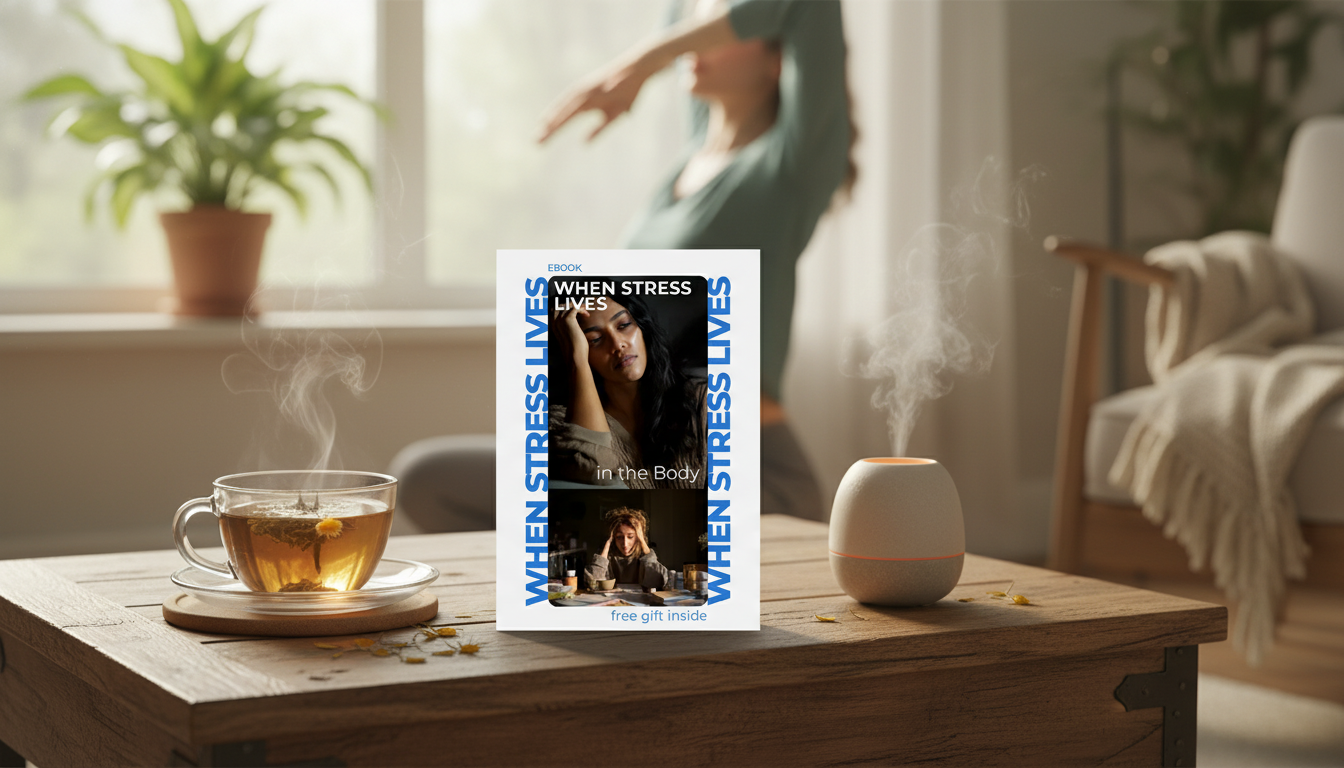
When Stress Lives in the Body: A Gentle Guide to Chronic Stress Symptoms and Emotional Healing
Chronic stress often shows up in places that don’t seem “mental” at all—muscles that won’t release, stomach issues that keep returning, sleep that never feels restorative, and emotions that swing between numbness and overwhelm. This guide offers a calm, body-aware way to recognize stress patterns, understand why symptoms persist, and start rebuilding a sense of safety through gentle, practical steps.
Stress that settles in the body: what it can look like day to day
Long-running stress can feel like living with a body that’s always “braced.” You might notice it as:
- Persistent tension: tight jaw, neck and shoulder pain, clenched abdomen, headaches
- Energy changes: fatigue, a wired-but-tired feeling, difficulty resting even when exhausted
- Digestive and appetite shifts: nausea, reflux, IBS-like flares, cravings or loss of appetite
- Sleep disruption: trouble falling asleep, early waking, vivid dreams, unrefreshing sleep
- Emotional patterns: irritability, tearfulness, numbness, heightened sensitivity, shutdown
- Cognitive signs: brain fog, scattered focus, rumination, feeling constantly “on alert”
If symptoms linger even after life calms down, it doesn’t mean you’re doing something wrong. It may mean your nervous system is still practicing protection—staying ready, scanning, bracing—because that’s what helped you get through earlier seasons.
Common stress signals and gentle first steps
| Body or mind signal | What it may be communicating | Gentle first step |
|---|---|---|
| Tight chest / shallow breathing | Protective bracing, threat scanning | Exhale longer than inhale for 2 minutes |
| Jaw clenching / headaches | Held anger, vigilance, suppressed expression | Relax tongue to the floor of mouth; slow neck rolls |
| Digestive upset | Stress chemistry affecting gut motility and sensitivity | Warm meal, hydration, 10-minute slow walk after eating |
| Insomnia / early waking | Overactive arousal system | Dim lights 60 minutes before bed; body scan in bed |
| Numbness / dissociation | Overwhelm leading to shutdown | 5-4-3-2-1 senses grounding; feel feet on floor |
| Racing thoughts | Trying to solve safety through thinking | Set a 5-minute “worry window,” then return to breath |
Why chronic stress becomes physical
The stress response is designed for short bursts. When it stays on for weeks or months, the body adapts around that “on” position—sometimes in ways that are uncomfortable or confusing. The American Psychological Association notes that stress can affect multiple systems at once, which helps explain why symptoms can look scattered or unrelated.
- Chronic activation reshapes basic rhythms: sleep, digestion, pain sensitivity, and mood can all shift when the body expects ongoing demand.
- Nervous system states matter: mobilization (fight/flight), shutdown (freeze), and social safety (rest/connection) influence how you breathe, move, think, and relate.
- Stress chemistry has real effects: hormones can heighten inflammation, alter immune function, and shift appetite and energy regulation.
- Muscle bracing can become habitual: posture changes and constant guarding may contribute to headaches, jaw pain, neck tightness, and low back discomfort.
- Unprocessed emotion can “go bodily”: when feelings don’t have space to move, the body may carry them as tension, fatigue, or stomach symptoms.
If you want a clear explanation of the body’s threat response, the Cleveland Clinic overview of fight-or-flight is a helpful, grounded resource.
A compassionate lens: symptoms as signals, not personal failure
Stress symptoms can trigger self-criticism: “Why can’t I just relax?” A kinder framing is often more accurate: your body may be trying to keep you safe based on what it has learned.
Gentle practices that help the body feel safe again
For broader coping tools and mental health resources, the National Institute of Mental Health offers practical guidance that pairs well with body-based approaches.
Working with emotions stored under the surface
The eBook: When Stress Lives in the Body
If you want a calm, structured guide you can return to during flare-ups, When Stress Lives in the Body – A Gentle, Insightful eBook Guide to Understanding Chronic Stress, Physical Symptoms, and Emotional Healing offers practical education and reflection prompts without pressure to “fix everything at once.” It’s designed to help you identify personal stress patterns, learn body-based regulation tools, and build routines that are sustainable.
For readers who regulate best through comforting routines and connection, pairing stress tools with everyday supportive practices can help. If time with animals is part of what calms you, Real Pet Wisdom, From Owners: Essential Pet Advice from Real Owners eBook is a gentle complement focused on day-to-day care and relationship insights. If movement is your anchor during stressful seasons, Train Smarter and Make Your Gear Last – Sports Gear Care Guide can support consistent routines that feel organized rather than overwhelming.
Quick product snapshot
| Format | Focus | Price |
|---|---|---|
| eBook (digital download) | Chronic stress, physical symptoms, emotional healing | $21.99 |
A simple 7-day reset rhythm (gentle, flexible, repeatable)
FAQ
Can chronic stress really cause physical symptoms even if nothing is “wrong” medically?
Yes. Chronic stress can affect the nervous system, hormones, sleep, digestion, inflammation, and pain sensitivity, so symptoms can be real even when tests come back normal. It’s still important to get medical evaluation, especially for new, severe, or worsening symptoms.
How long does it take for the body to recover from chronic stress?
It varies based on how long the stress lasted, how intense it was, and what support you have for sleep, recovery, and daily regulation. Many people notice small improvements within days or weeks of consistent practice, with deeper recovery often unfolding over months.
What are gentle ways to calm the nervous system quickly?
Try longer exhales, grounding through the senses (like a 5-4-3-2-1 check-in), softening the jaw and shoulders, or taking a slow walk. Warmth can also help—such as a warm drink or shower—especially when you feel wired or tense.










Leave a comment