Will Police Respond to a Fender Bender? What to Expect
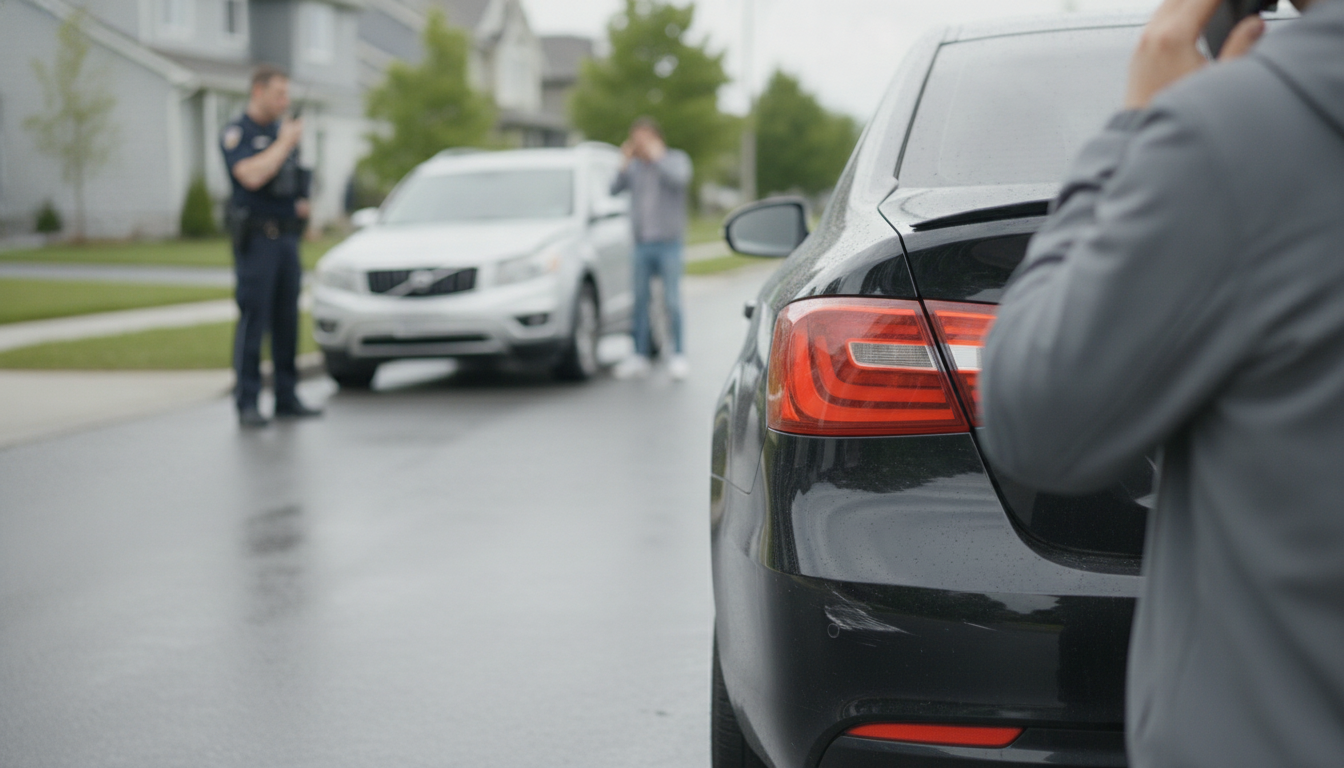
Do cops come out for fender benders?
Sometimes, but not always. Whether police respond to a fender bender depends on local policy, how busy dispatch is, and what happened at the scene. In many cities, officers may not be sent to minor crashes with no injuries and no hazards—especially if both vehicles can be safely moved and the drivers can exchange information.
Police are much more likely to come out when there’s an injury (even if it seems minor), a driver appears impaired, traffic is blocked, there’s significant property damage (like a guardrail or parked car), someone is being uncooperative, or a dispute develops about what happened. If a driver leaves the scene, or you suspect a hit-and-run, calling immediately is important.
Even when officers don’t respond, you can still protect yourself by documenting the scene: take photos of vehicle positions, damage close-ups, license plates, and the surrounding area; exchange names, contact info, insurance details, and driver’s license numbers; and look for witnesses. Some jurisdictions also offer online or self-service crash reporting, which can be useful for insurance claims.
If you’re unsure whether to call, it’s usually safer to contact the non-emergency line (or 911 if there’s any risk or injury) and ask what they want you to do. For a step-by-step checklist on what to do after a fender bender—including when calling police makes sense—see this fender bender police-call guide.
For Will Police Respond to a Fender Bender? What to Expect, the best answer depends on fit, material, care instructions, and how the product will be used day to day.
Checking those details first helps avoid a poor match and keeps the choice practical after delivery.
FAQ
Should I move my car after a minor accident?
If the cars are drivable and it’s safe, move them out of traffic to a shoulder or parking lot to reduce the risk of another collision. Before moving, take quick photos showing the vehicles’ positions if you can do so safely.











Leave a comment