Crystal Glass Worth Money: Brands, Marks & Value Clues
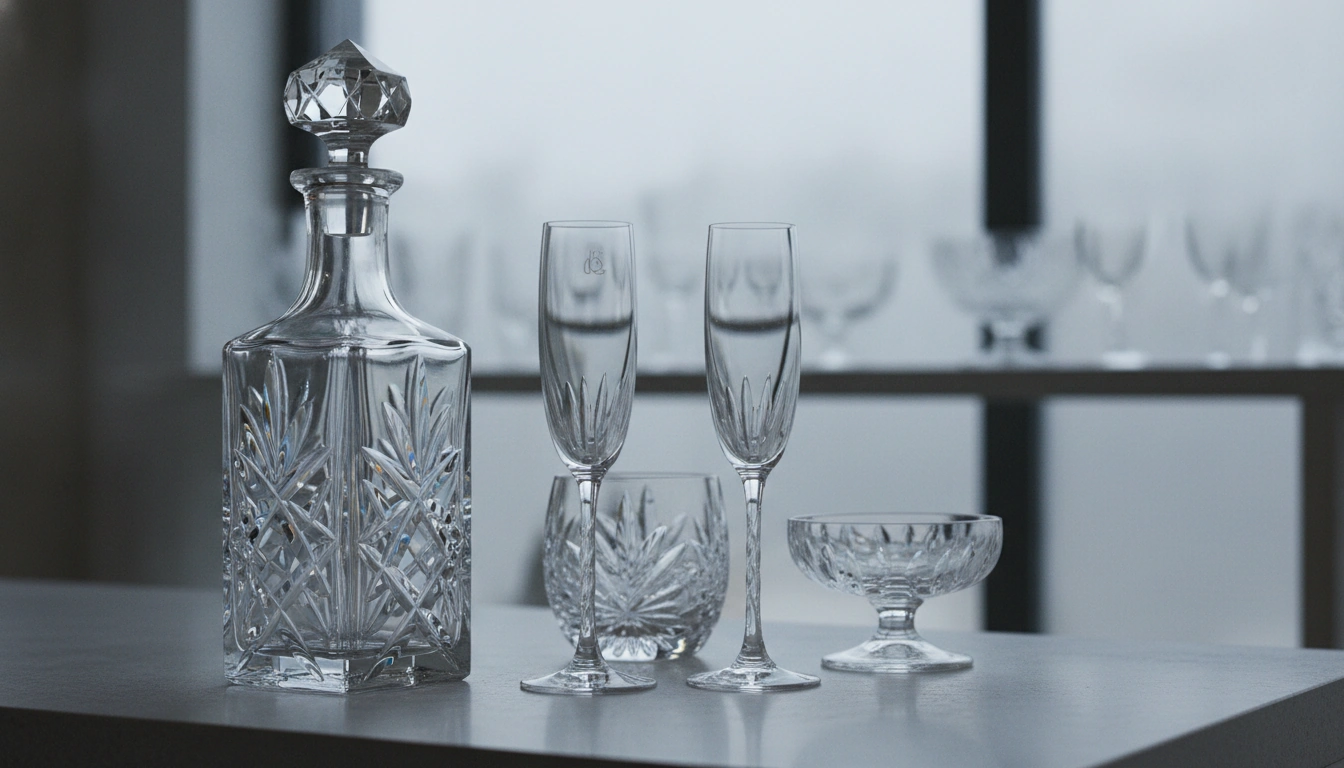
What crystal glass is worth money?
Answer
Crystal glass is most likely to be worth money when it comes from a recognized maker, has clear identifiers, and appears in sought-after forms like stemware sets, decanters, limited-run pieces, or decorative lighting elements. Names such as Waterford, Baccarat, Lalique, Steuben, Saint Louis, and Swarovski often command higher resale prices, especially when patterns are discontinued, pieces are signed, or the item includes original packaging and paperwork.
Condition matters as much as the brand. Chips on rims, “flea bites” (tiny edge nicks), cloudy etching from dishwasher wear, and repairs can drop value dramatically. Crystal that still rings with a clean, bright tone when gently tapped and shows crisp, sharp-cut facets tends to be more desirable than softer, worn cuts.
Design and craftsmanship can elevate value even without a famous label. Hand-cut patterns, deep relief cuts, heavy bases, and precise symmetry typically signal higher-end production. Colored overlay crystal, intricate etched motifs, and uncommon shapes also draw collectors. For larger pieces—like crystal prisms, drops, and bobeches used in chandeliers—matching sets and intact hardware can be important because buyers often need multiples for restorations.
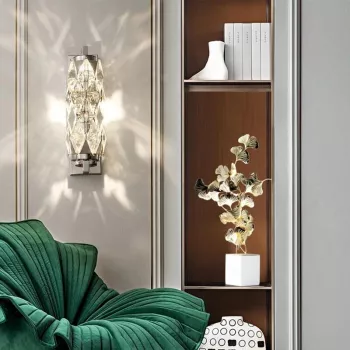
To estimate what a piece is worth, check for an acid-etched signature on the base, a paper label (if still present), and pattern names. Then compare with recent sold prices (not just asking prices) for the same maker and pattern. If your crystal is part of a décor upgrade—especially in glam, hotel-chic spaces—understanding how crystal catches and multiplies light can help you choose pieces that are both beautiful and collectible. For inspiration on how crystal elements elevate a room, see this guide: crystal glass LED wall chandelier with a hotel-chic glow.
For Crystal Glass Worth Money: Brands, Marks & Value Clues, the best answer depends on fit, material, care instructions, and how the product will be used day to day.
FAQ
How can you tell crystal from regular glass at home?
Look for sharper, more defined cut edges and stronger light refraction (a brighter “sparkle”). A gentle tap with a fingernail often produces a longer, clearer ring in crystal, while regular glass sounds duller and stops sooner.











Leave a comment