Root Causes of Imposter Syndrome: Self-Doubt & Comparison

What is the root of imposter syndrome?
Answer
The root of imposter syndrome is usually a learned pattern of self-doubt: your brain treats success as “accidental” while treating mistakes or uncertainty as proof you don’t belong. Instead of updating your self-image with evidence (skills gained, goals met, positive feedback), it discounts that evidence and searches for reasons you were “just lucky” or “not as good as people think.”
For many people, that pattern starts early through experiences that tie worth to performance—such as high expectations, inconsistent praise, or environments where errors were punished more than effort was recognized. Over time, the mind can equate competence with never struggling, so normal challenges (new roles, bigger projects, unfamiliar tasks) feel like exposure risks rather than growth moments.
Imposter feelings also tend to be fueled by biased comparisons. When you compare your behind-the-scenes process (drafts, doubts, learning curves) to someone else’s polished outcome, it can look like everyone else is effortlessly capable. Add perfectionism—“If it isn’t flawless, it doesn’t count”—and you get a loop where accomplishments feel insufficient and reassurance never sticks.
Another common root is identity mismatch: you’re stepping into a space where you don’t see many people like you, or you’ve been stereotyped before. In those situations, heightened pressure to “represent” or “prove yourself” can make even small setbacks feel amplified. The result is a constant internal audit: “Did I earn this, or did I slip through?”
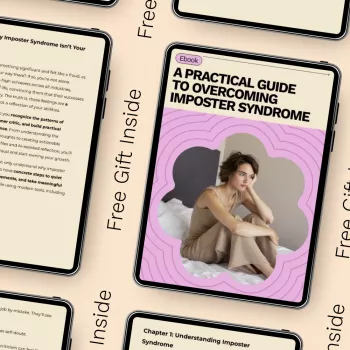
If you want a practical way to break the cycle, use a structured check-in to separate facts from fear. The imposter syndrome checklist and 2-week plan walks through a quick audit and concrete next steps that turn vague doubt into actionable signals.
FAQ
How can you tell if you’re experiencing imposter syndrome?
Common signs include attributing success to luck, fearing you’ll be “found out,” overpreparing to avoid mistakes, and feeling anxious after praise instead of satisfied. If accomplishments don’t improve your confidence over time, that’s another strong clue.















Leave a comment