Dog Walking Workout Checklist: Safer, Fitter Daily Walks
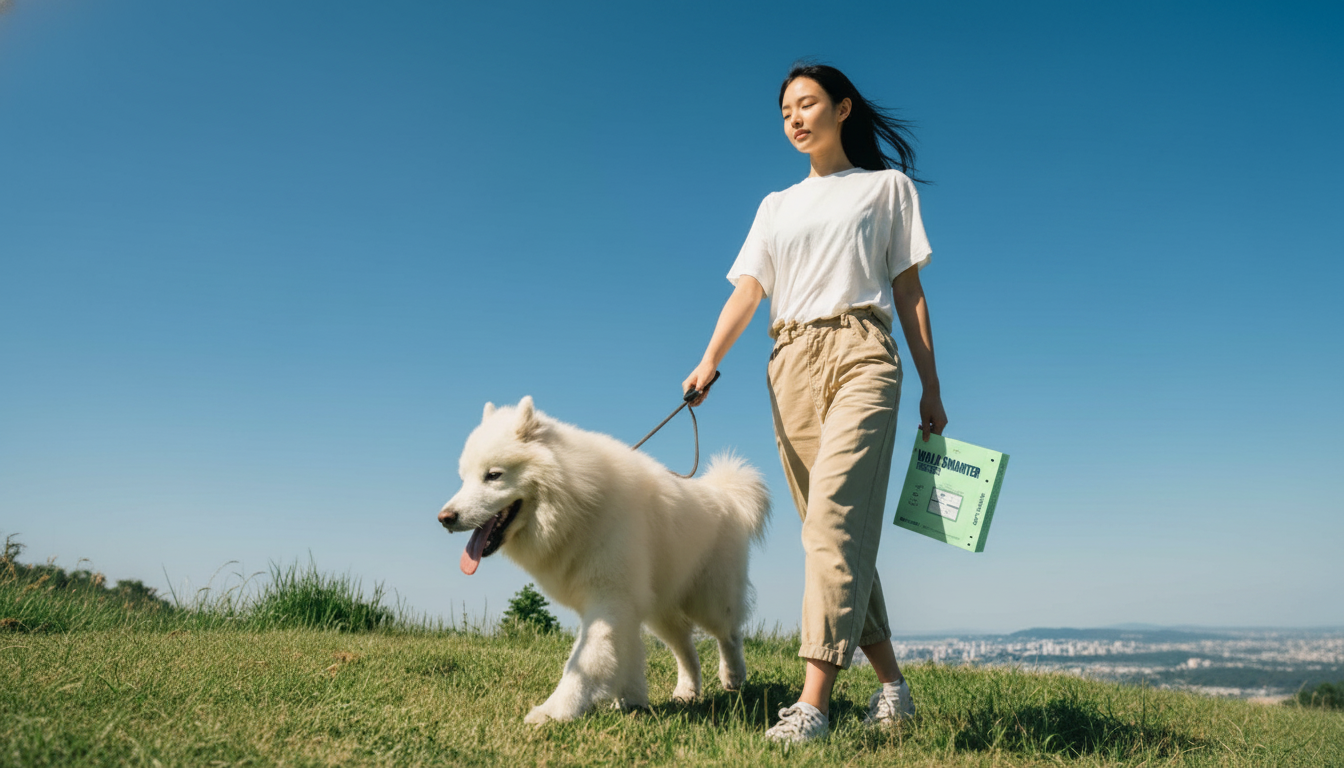
Walk Smarter Together: A Simple, Fun Checklist for Walking Workouts with Pets
Daily walks can be more than a quick loop around the block. With a few small upgrades—warm-ups, gentle intervals, planned sniff breaks, and a real cool-down—your usual dog walk can double as a reliable fitness routine for you while staying safe and enjoyable for your pet. A checklist-style approach keeps things simple, helps prevent overdoing it, and makes progress easy to spot from week to week. For more guidance, see How To Get Fit With Your Dog – American Kennel Club.
Before You Start: Safety, Gear, and Readiness
- Confirm basic readiness: If your dog is new to longer walks, returning after time off, or has any health concerns, get a vet’s OK before increasing activity. Owners with medical concerns should keep pacing low-impact and build gradually.
- Pick the right walking setup: Use a secure collar or well-fitted harness, a comfortable leash length for control, plus poop bags. Bring water on longer walks or anytime it’s warm.
- Check conditions: Avoid hot pavement, icy routes, and poor air quality. Choose shaded paths when heat is a concern. For hot-weather safety basics, follow guidance from the AVMA’s hot weather safety tips.
- Use a simple rule of thumb: If your dog is lagging, panting heavily, limping, or refusing to move, reduce intensity and head home.
The Simple Daily Walk Workout Checklist (15–40 Minutes)
1) Start easy (3–5 minutes)
Begin at a relaxed pace to warm up joints and muscles. Let your dog take a quick “sniff-and-settle” moment so the rest of the walk is calmer and more focused. For further reading, see The 9 Best Ways to Exercise With Your Dog | Small Door Veterinary.
2) Quick posture check (owners)
Stand tall, relax shoulders, and let arms swing naturally. Keep your gaze forward and avoid curling toward the leash—especially when your dog gets interested in a scent.
3) Choose your main set
- Option A (beginner): A steady brisk walk for 10–20 minutes at a conversational pace.
- Option B (intervals): Alternate 1 minute brisk + 2 minutes easy for 6–10 rounds. Keep your dog’s gait smooth and controlled—no sudden sprinting or sharp turns.
4) Add “training snacks” (2–5 minutes)
Use corners and crossings to practice simple cues like sit, heel, or attention. Reward calm behavior. These mini-moments can reduce pulling and make brisk segments feel much more doable.
5) Include two purposeful sniff breaks
Plan two short sniff stops (30–90 seconds each). Purposeful sniff time lowers stress and reduces the urge to yank the leash nonstop. When the break ends, cue “let’s go” and return to your chosen pace.
6) Cool down (3–5 minutes)
Slow the pace to bring breathing down for both of you. Finish with calm praise and a few sips of water. The goal is to end the walk feeling steady, not wiped out.
Pick-a-Plan Weekly Rotation (Mix and Match)
| Day | Focus | Owner Effort | Dog-Friendly Notes |
|---|---|---|---|
| Mon | Steady brisk walk | Moderate | Keep pace even; avoid sudden sprints |
| Tue | Intervals (short) | Moderate–High | Short bursts only; stop if panting rises fast |
| Wed | Recovery walk + sniff time | Low | Let the dog choose the route when safe |
| Thu | Hill or incline route | Moderate | Use shorter steps; watch paws on rough terrain |
| Fri | Intervals (longer easy phases) | Moderate | More recovery time between brisk minutes |
| Sat | Adventure loop (new park) | Low–Moderate | Mental enrichment counts as work |
| Sun | Short walk + training focus | Low | Practice calm leash manners and recall cues |
Make It Fun: Small Challenges That Build Consistency
- The “three landmarks” game: Pick three landmarks (mailbox, corner sign, bench). Walk briskly between them, then switch to an easy pace after each one.
- The “quiet crossings” goal: Pause at every curb, reward a calm sit, then move forward with a loose leash. It turns stop-and-go moments into training wins.
- The “sniff quota”: Two planned sniff stops can prevent constant pulling and make the walk feel smoother overall.
- The “form minute” (owners): Spend 60 seconds focusing on breathing, tall posture, and quick, light steps.
Adjusting for Age, Breed, and Weather
Progress Without Overdoing It
A Printable Checklist That Keeps You on Track
- Walk Smarter Together – A Simple, Fun Checklist for Walking Workouts with Pets | Daily Dog & Owner Fitness Routine
- Real Pet Wisdom, From Owners: Essential Pet Advice from Real Owners eBook for Training, Behavior, and Everyday Lessons
- Train Smarter and Make Your Gear Last – Sports Gear Care Guide, Digital Download eBook & Checklist for Athletes
FAQ
How long should a daily workout walk be with a dog?
A practical range is 15–40 minutes, depending on your dog’s age, fitness, and the weather. Start shorter and build gradually; if your dog is limping, lagging, or panting heavily, reduce intensity and head home.
Are interval walks safe for most dogs?
Yes, when intervals stay moderate, are introduced gradually, and include a warm-up and cool-down. Puppies, seniors, and short-nosed breeds usually need shorter, gentler intervals (or none) and more recovery time.
What if a dog keeps stopping to sniff and the walk feels ineffective?
Use planned sniff breaks instead of letting sniffing happen constantly. Brisk segments give you the workout, and short “on purpose” sniff stops provide enrichment that often reduces pulling and makes the overall walk smoother.











Leave a comment