Nature Workouts for Stress Relief: Walk, Strength, Hills
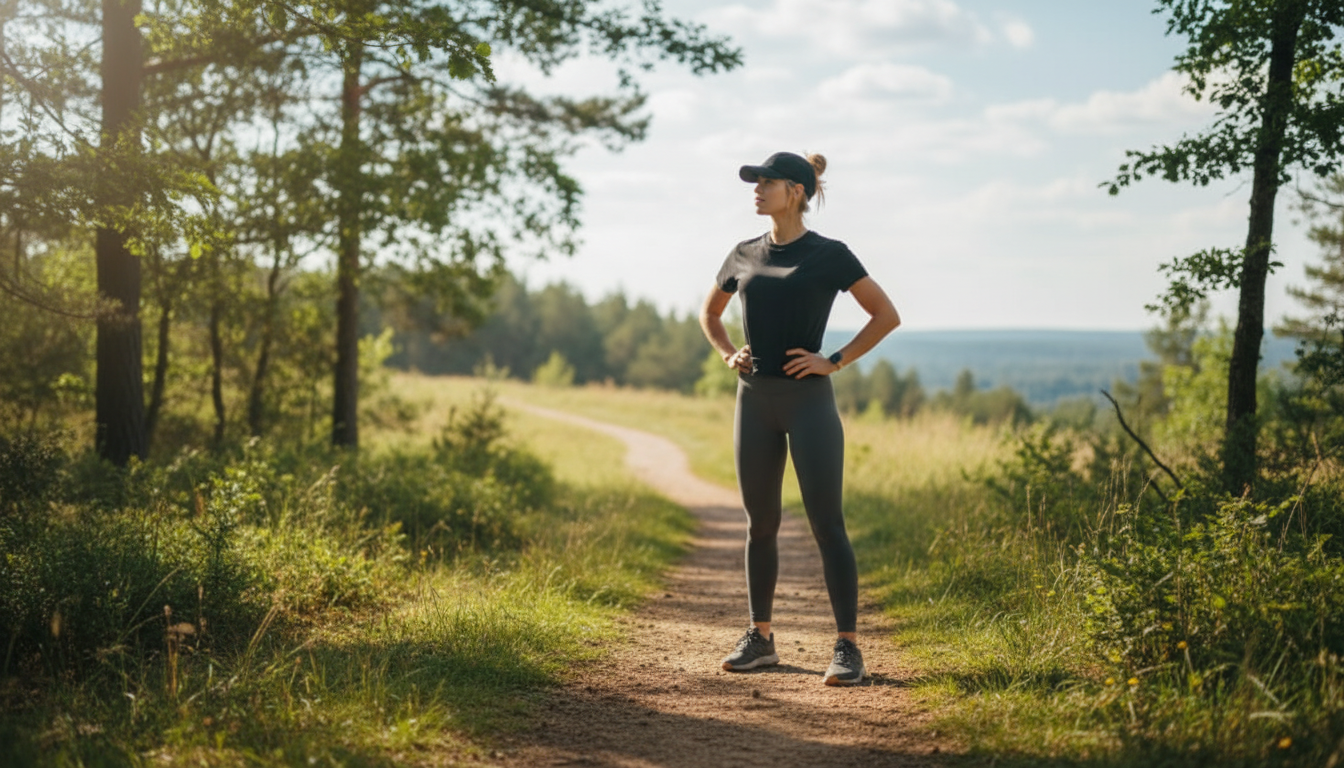
Move Where Your Mind Can Breathe: Nature Workouts for Stress Relief and Mental Fitness
Stepping outside can turn movement into a reset button—especially when workouts are designed to calm the nervous system, sharpen attention, and gently build resilience. Nature-based training blends simple bodyweight work, mindful walking, and breath-led pacing with the added benefit of daylight, greenery, and changing terrain. Below are practical outdoor sessions that support mental health, plus a structured eBook option that packages workouts, routines, and recovery prompts for consistent progress.
Why outdoor movement can feel different than indoor workouts
Outdoor training often lands differently because it changes what your brain has to “process” while you move. Natural settings can reduce mental noise by offering soft fascination—gentle sensory input like wind, birds, or flowing water that gives attention a chance to recover.
Sunlight and fresh air can also support circadian rhythm alignment, which influences mood, energy, and sleep quality. Public health guidance consistently ties regular physical activity to broad health benefits, including mental well-being (see CDC and World Health Organization).
Finally, uneven terrain and variable conditions encourage proprioception and present-moment focus—helpful when stress pulls thoughts into rumination. The best part: outdoor sessions can be scaled way down without losing value. A calm walk with intentional breathing still counts as training for mental fitness.
A simple framework: regulate, move, recover
When stress is high, the goal isn’t to “crush” a workout. It’s to shift your state. A reliable structure is:
- Regulate (2–5 minutes): downshift before intensity—nasal breathing, longer exhales, and a slow scan of the environment (colors, shapes, sounds).
- Move (10–30 minutes): choose a focus (steady walk, strength circuit, hill intervals, or mobility) matched to how stressed you feel today.
- Recover (3–8 minutes): slow pacing, gentle stretching, and a short reflection prompt to reinforce calm and completion.
Use “effort guardrails”: stop a set when breathing gets chaotic or form breaks. Steadiness beats exhaustion—especially when stress is already draining your system. Chronic stress can affect the body in measurable ways, so building a calmer training pattern can be a practical support tool (see American Psychological Association).
Outdoor session templates by stress level
| Stress level | Session type | Duration | Intensity cue | Best location |
|---|---|---|---|---|
| High | Grounding walk + mobility | 15–25 min | Can speak full sentences; nasal breathing if possible | Park loop, quiet street, shaded trail |
| Moderate | Strength circuit (bodyweight) + brisk walk | 20–35 min | Breathing deeper but controlled; short rests | Open field, playground bars, flat trail |
| Low | Hills or interval walk/run + cooldown | 25–45 min | Short bursts; recover fully between efforts | Hill path, staircase, track, rolling trail |
Nature workout ideas that support mental fitness
1) Mindful walk (10–30 minutes)
Choose a relaxed pace. Try a simple pattern: inhale for 4 steps, exhale for 6 steps. Every few minutes, reset attention with a quick inventory: notice 5 things you can see and 3 things you can hear. Keep your gaze soft (not locked on your phone), jaw relaxed, shoulders down.
2) Trail strength circuit (15–25 minutes)
Pick two landmarks (a bench and a tree, two trail signs, two light poles). Walk between them as your “rest.” Complete 3–5 rounds of:
- 6–10 squats
- 6–10 incline push-ups on a bench or railing
- 8–12 hip hinges (good-morning pattern, hands on hips)
- 20–40 seconds plank (or elevated plank on a bench)
Keep the circuit smooth and repeatable. The aim is to feel more steady by the final round, not more frantic.
3) Park-bench mobility flow (10–15 minutes)
Move slowly and breathe quietly. Flow through: calf stretch, hip flexor stretch, thoracic opener (hand on bench, rotate gently), hamstring hinge, then a gentle neck/shoulder release. If your mind wanders, come back to the sensation of feet on ground and air moving in/out.
4) Hill repeats for stress “release” (15–30 minutes)
Walk briskly uphill for 30–60 seconds, then walk down easily. Repeat 6–10 times. The uphill gives you a clean “dose” of effort, and the downhill forces a recovery rhythm. Finish with a long cooldown: 5 minutes easy walking plus two long exhale breaths (slow out-breath, then pause briefly before the next inhale).
5) Shoreline or riverside steady state (20–40 minutes)
Building a weekly routine without burnout
Safety and accessibility adjustments
A structured option: Move Where Your Mind Can Breathe (eBook)
If you’d rather not piece together sessions from scratch, Move Where Your Mind Can Breathe – Nature Workouts for Mental Health eBook | Outdoor Movement Guide for Stress Relief & Mental Fitness is designed as a repeatable outdoor movement plan that blends nature-based workouts with stress relief and mental fitness principles.
To keep training sustainable, it also helps to build small maintenance habits around the gear you already use. Train Smarter and Make Your Gear Last – Sports Gear Care Guide, Digital Download eBook & Checklist for Athletes is a simple companion if you want a checklist-style approach to keeping shoes, bottles, and basics in better shape.
FAQ
How often should nature workouts be done for stress relief?
A solid baseline is 2–4 times per week, mixing easy calming walks with one or two light strength sessions. Short sessions still count, and the best frequency is the one you can repeat consistently without feeling drained.
Do these workouts require hiking trails or special gear?
No—sidewalks, parks, and school tracks work well, and equipment is optional. Benches, stairs, or even a backpack with a light load can add variety without needing specialty gear.
What if motivation is low or anxiety makes it hard to go outside?
Use a minimum viable plan: a predictable 5–10 minute loop at an off-peak time, paired with a simple breath cue like longer exhales. If it helps, go with a friend or set a timer so you know exactly when you’ll be back home.











Leave a comment