Pet Weight Management That Lasts: Portions, Treats & Habits
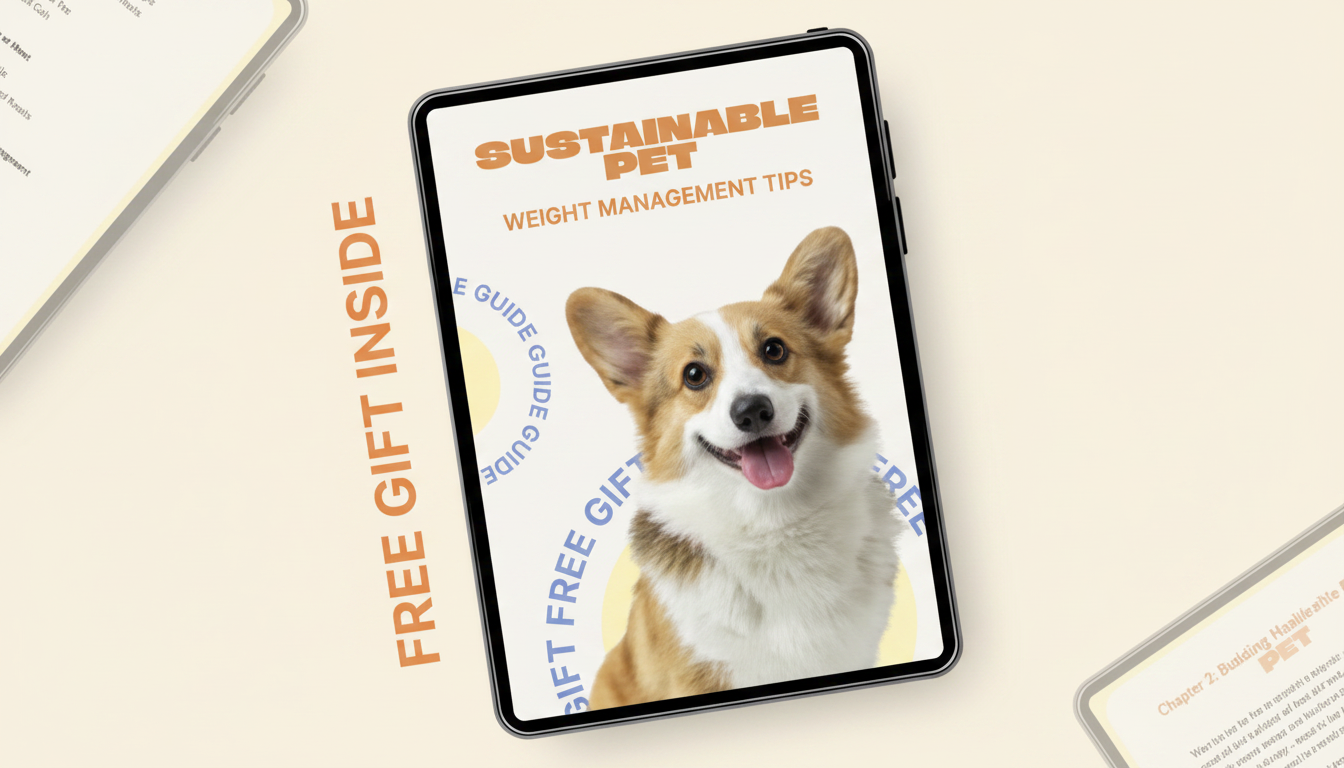
Sustainable Pet Weight Management: Smart Feeding, Daily Habits, and Long-Term Results for Dogs & Cats
Healthy weight changes in pets come from small routines that can be maintained for months—not quick fixes. A sustainable plan focuses on accurate portions, balanced calories from meals and treats, safe activity, and simple tracking so progress is steady, measurable, and comfortable for dogs and cats.
Start With a Safe Baseline (Before Changing Food or Exercise)
If weight gain is recent or rapid—or it comes with lethargy, excessive thirst, coughing, vomiting, or mobility changes—schedule a veterinary visit first. Ruling out medical causes and confirming a reasonable target weight range prevents frustration and protects your pet’s health.
Pair a weigh-in with a body condition score (BCS). Photos from above and from the side (taken in the same spot and lighting) make gradual change easier to spot than memory alone.
- Set one primary goal at a time: slow fat loss, maintaining weight after neuter/spay, or preventing regain after a diet.
- Choose a realistic pace. Small weekly changes are safer than aggressive restriction—especially for cats, who can face serious risks with rapid weight loss.
For reputable nutrition guidance and how to evaluate a pet’s diet, the WSAVA Global Nutrition Toolkit and the AVMA’s pet nutrition resources are helpful references to discuss with your veterinarian.
Portions That Work: Measure, Don’t Guess
The most common reason “nothing is working” is portion creep. A little extra kibble, a slightly heaping scoop, or a few more treats during training can erase an otherwise solid plan.
- Switch from “scoops” to grams using a kitchen scale. Measuring cups vary by kibble shape and how much it settles.
- If you can, calculate daily calories with veterinary guidance. If not, start with a modest reduction from current intake and reassess every 2–3 weeks.
- Divide daily food into 2–4 meals to reduce begging and improve consistency; cats often do better with more frequent, smaller meals.
- Avoid free feeding for overweight pets. Use timed meals, puzzle feeders, or pre-portioned servings instead.
Daily Feeding Plan Template (Adjust With Vet Guidance)
| Step | What to Do | Why It Helps |
|---|---|---|
| 1 | Weigh your pet weekly (same scale, same time of day) | Confirms trends and catches plateaus early |
| 2 | Weigh daily food in grams and log it | Prevents portion creep and makes adjustments precise |
| 3 | Set a treat budget (max 10% of daily calories) | Maintains progress without eliminating rewards |
| 4 | Split meals (2–4 feedings) or use puzzle feeders | Slows eating and reduces constant hunger cues |
| 5 | Recheck every 2–3 weeks and adjust small amounts | Supports steady loss and long-term adherence |
Treats, Chews, and “Invisible Calories” That Stall Progress
Weight management can look perfect on paper until the “extras” are counted. Training treats, dental chews, lick mats, table scraps, flavored supplements, and holiday snacks add up quickly—especially for smaller pets.
- Count everything that isn’t the main meal, including chews and “just a bite” handouts.
- Use low-calorie reward swaps: tiny pieces of the regular kibble ration, single-ingredient treats, or vet-approved fruits/vegetables (species-appropriate and in moderation).
- Pre-portion treats into a daily container; when it’s empty, treats are done.
- Coordinate household rules. The simplest approach is one shared “treat jar” that everyone pulls from.
If you want a structured way to set treat budgets, meal splits, and weekly adjustments, Sustainable Pet Weight Management Tips (digital guide) organizes the process into quick routines that are easier to stick with during busy weeks.
Activity That Fits Real Life (and Protects Joints)
Exercise works best when it’s repeatable. Think “often and doable,” not “intense and occasional.” For pets with arthritis, extra weight stresses joints—so low-impact movement and gradual progression matter.
- Pair gentle movement with consistency: short walks after meals, brief play sessions, and low-impact options for seniors.
- For dogs, increase duration before intensity. Try sniff walks, interval walking (easy pace with short brisk segments), or simple home games like find-it and hallway fetch.
- For cats, schedule 2–3 short play bursts daily using wand toys or chase games; rotate toys to maintain novelty.
- Track activity like a habit, not a challenge. Missed days happen—restart normally rather than “making up” with extreme exercise.
Smart Feeding Tools: Make the Environment Do the Work
When the home setup supports the plan, willpower becomes less important. Small environmental changes often do more than constant rule-enforcing.
Plateaus, Setbacks, and Staying on Track for Months
For extra motivation and real-world routines that owners use to reduce begging, improve consistency, and keep habits realistic, Real Pet Wisdom from Owners (training and everyday routines) shares practical insights that pair well with a measured feeding plan.
For broader context on how common pet weight issues are—and why long-term habits matter—the Association for Pet Obesity Prevention (APOP) publishes ongoing statistics and resources.
A Simple Weekly Check-In Routine (10 Minutes)
FAQ
How fast should a dog or cat lose weight?
Gradual, vet-guided loss is safest. Regular weigh-ins and small adjustments help keep progress steady, and cats in particular should avoid rapid weight loss due to higher health risks.
Are grain-free or high-protein foods best for pet weight loss?
Calorie control and nutrient balance matter more than marketing terms. Choose a complete and balanced diet, and consider veterinary weight-management diets when your veterinarian recommends them.
What if one pet needs to lose weight but the other doesn’t?
Use separation strategies like timed meals in different rooms, supervised feeding, or microchip feeders to prevent food stealing. Keep treats controlled with a shared daily treat container so one pet’s plan doesn’t get derailed.











Leave a comment