Cat Tower Lifespan: How Long They Last & When to Replace
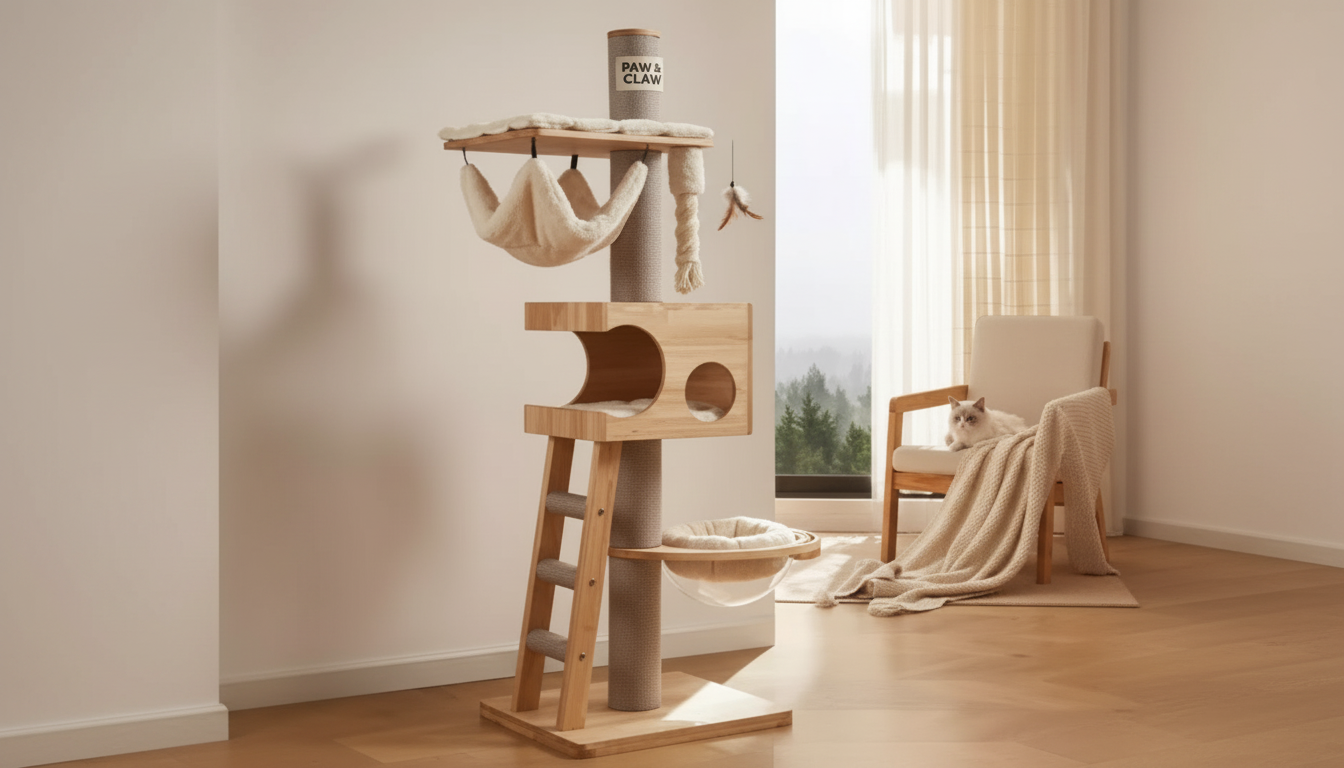
What is the average lifespan of a cat tower?
The average lifespan of a cat tower is about 2 to 6 years. A basic, lightweight tower that gets daily climbing and scratching may land closer to the 2–3 year range, while a well-built model with sturdy posts and thicker platforms can stay safe and usable for 5+ years with routine upkeep.
What affects how long a cat tower lasts?
Durability comes down to a mix of construction quality and how your cat uses it. Heavier cats, multiple-cat homes, and cats that scratch hard or launch themselves onto the top perch will wear a tower faster. Materials matter too: solid wood frames, dense particleboard, and thick, tightly wrapped sisal generally outlast thin cardboard tubes, loosely wrapped rope, and flimsy fabric coverings.
Signs it’s time to replace (or repair) a cat tower
Replace the tower if it wobbles, leans, or rocks even after tightening hardware—especially on taller models. Other red flags include cracked platforms, exposed staples or nails, ripped fabric that creates snags, or scratching posts that are worn down to the core. If only the rope is frayed or the carpet is torn but the frame is solid, re-wrapping posts or replacing sections can extend its life significantly.
How to make a cat tower last longer
Every few weeks, tighten bolts and screws, vacuum fur and grit from seams, and spot-clean spills to prevent odors and fabric breakdown. Placing the tower on a level surface (or bracing it near a wall) reduces sway and stress on joints. Choosing the right size and structure for your cat also helps; a tower that’s stable and appropriately tall is less likely to loosen from constant shifting. For a deeper breakdown of features and what to look for, visit this guide on how to choose the right cat tower.
FAQ
What materials make a cat tower more durable?
Look for thick, tightly wrapped sisal on scratching posts, sturdy posts (not thin hollow tubes), and stable platforms made from solid wood or dense engineered wood. Durable upholstery fabrics and quality stitching also help prevent early tearing.








Leave a comment