How to Move Energy Up: Posture, Breath & Quick Boosts
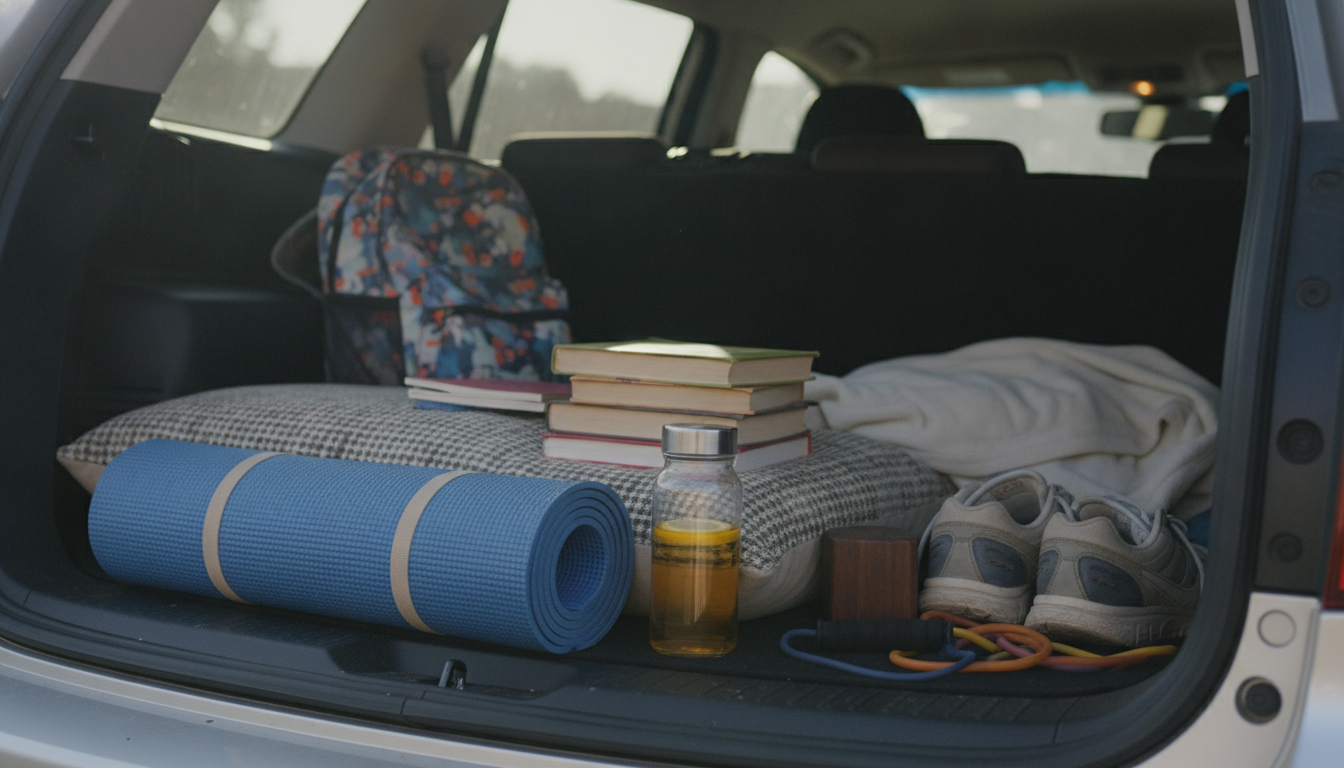
How to move energy up?
Moving energy up is about shifting from sluggish, heavy momentum to a more alert, buoyant state—without forcing it. The fastest way is to change your body’s inputs: posture, breath, circulation, and light movement. When those shift, your nervous system often follows.
Start with posture and a quick “reset”
Stand tall, soften your knees, and stack ribs over hips. Roll your shoulders up, back, and down, then gently lengthen the back of your neck. This simple alignment opens your chest for easier breathing and can make you feel instantly more awake.
Use breath to lift energy
Try 5 rounds of “physiological sighs”: inhale through the nose, top off with a short second inhale, then exhale slowly through the mouth. This can reduce the “wired-tired” feeling and help your body switch into a clearer, more energized mode.
Add a 3–7 minute circulation booster
Pick one: brisk walking, stair steps, marching in place, bodyweight squats, or a light kettlebell/dumbbell complex. Keep the effort at a level where you can still talk; the goal is to increase blood flow, not to exhaust yourself.
Fuel and environment matter
Hydrate first—fatigue is often dehydration in disguise. Pair a small protein-forward snack (like yogurt, eggs, or a handful of nuts) with some carbs if you’re dragging after a long gap between meals. If possible, get bright light exposure (even a few minutes outdoors) to support daytime alertness.
Build “upward energy” with sustainable training
Consistently feeling energized comes from workouts that leave you better, not buried. Favor sessions you can recover from—steady strength, moderate cardio, and smart progressions—so your baseline energy rises over time. For a practical approach, see the full guide here: Move Smart for More Energy: Sustainable Workouts.
For How to Move Energy Up: Posture, Breath & Quick Boosts, the best answer depends on fit, material, care instructions, and how the product will be used day to day.
FAQ
What are some quick ways to boost energy without caffeine?
Drink water, get 2–5 minutes of brisk movement, and use bright light exposure. A short breathing reset (like a slow exhale-focused pattern) can also reduce grogginess quickly.















Leave a comment