Remove Dog Smell Left by Previous Owners (Fast Steps)
How to get dog smell out of house from previous owners?
Old pet odor usually lingers in soft, porous materials (carpet pad, upholstery, drapes) and in hidden spots where oils and urine residue soaked in. The fastest way to clear it is to remove the source, then neutralize what’s left—rather than covering it up with fragrance.
Step 1: Air out and swap filters
Open windows and run fans to exchange indoor air for a few hours. Replace HVAC filters (and any standalone air purifier filters) right away; dirty filters can keep redistributing odor.
Step 2: Find “hot spots” you can’t see
Walk the home and sniff near baseboards, corners, and under windows. If you have a blacklight, use it at night to locate old urine stains on floors, carpet edges, and around doorways.
Step 3: Deep-clean fabric and floors the right way
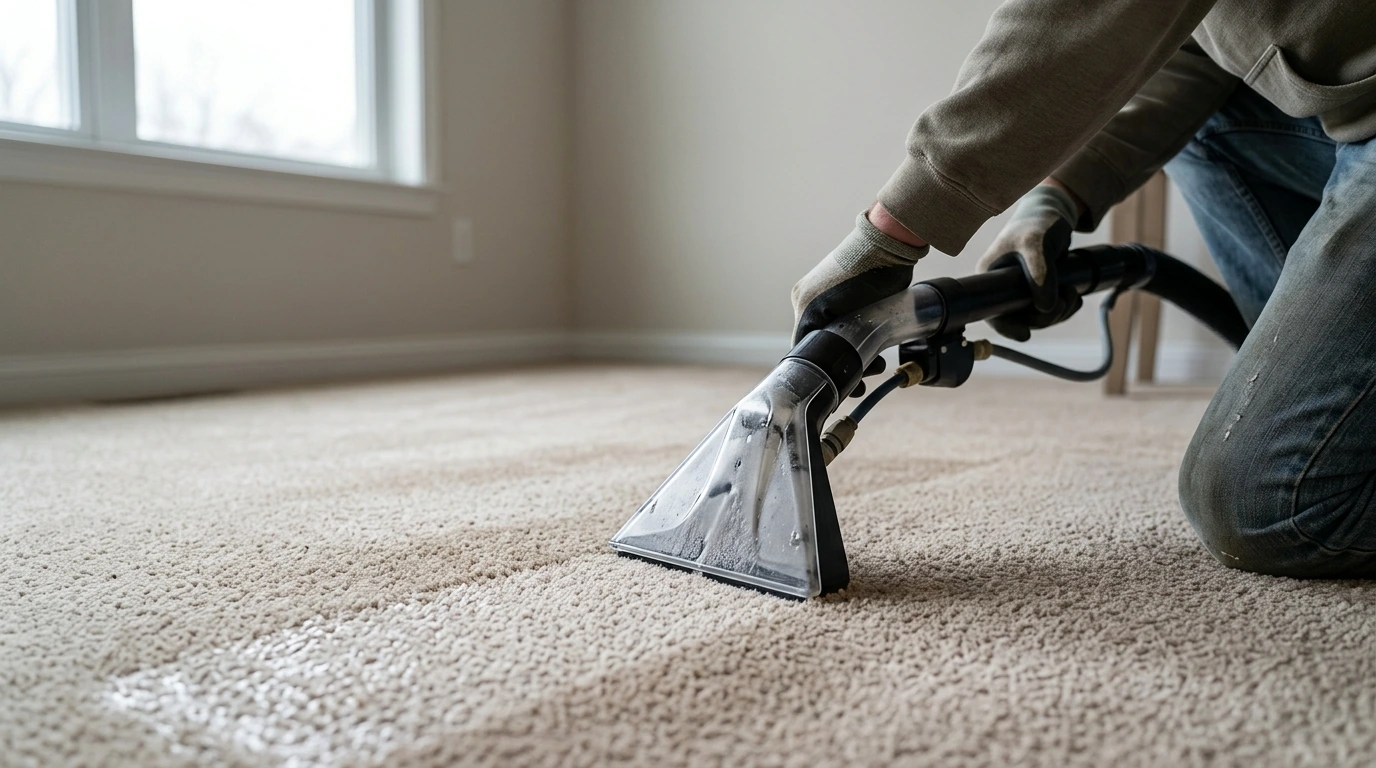
Wash washable curtains, throws, and slipcovers in hot water if the care label allows. Vacuum thoroughly with a HEPA vacuum, then clean hard floors with a pet-safe enzymatic cleaner. For carpet, shampooing alone may not be enough if odor is in the pad—spot-treat with enzymes, let it dwell per label directions, and extract. If smells return after drying, the pad may need replacement in those areas.
Step 4: Treat walls, trim, and vents
Wipe walls, baseboards, and doors with a mild degreasing cleaner to remove built-up pet oils. Dust and vacuum supply/return vents and consider a professional duct cleaning if odor is strongest when the system runs.
Step 5: Neutralize lingering odor in the air
Use an activated carbon air purifier in the smelliest rooms and refresh regularly. Avoid heavy perfumes that can mix with pet odor and create a stronger “masked” smell.
For a fuller room-by-room approach and product guidance, see this guide on reducing pet odors for a fresh, guest-ready home.
FAQ
What neutralizes pet odor in a house?
Enzymatic cleaners break down odor-causing residue at the source, and activated carbon helps capture odors in the air. Pair both with thorough cleaning of fabrics and floors for the best results.










Leave a comment