Year-Round Garden Planning: Bloom and Harvest Every Season
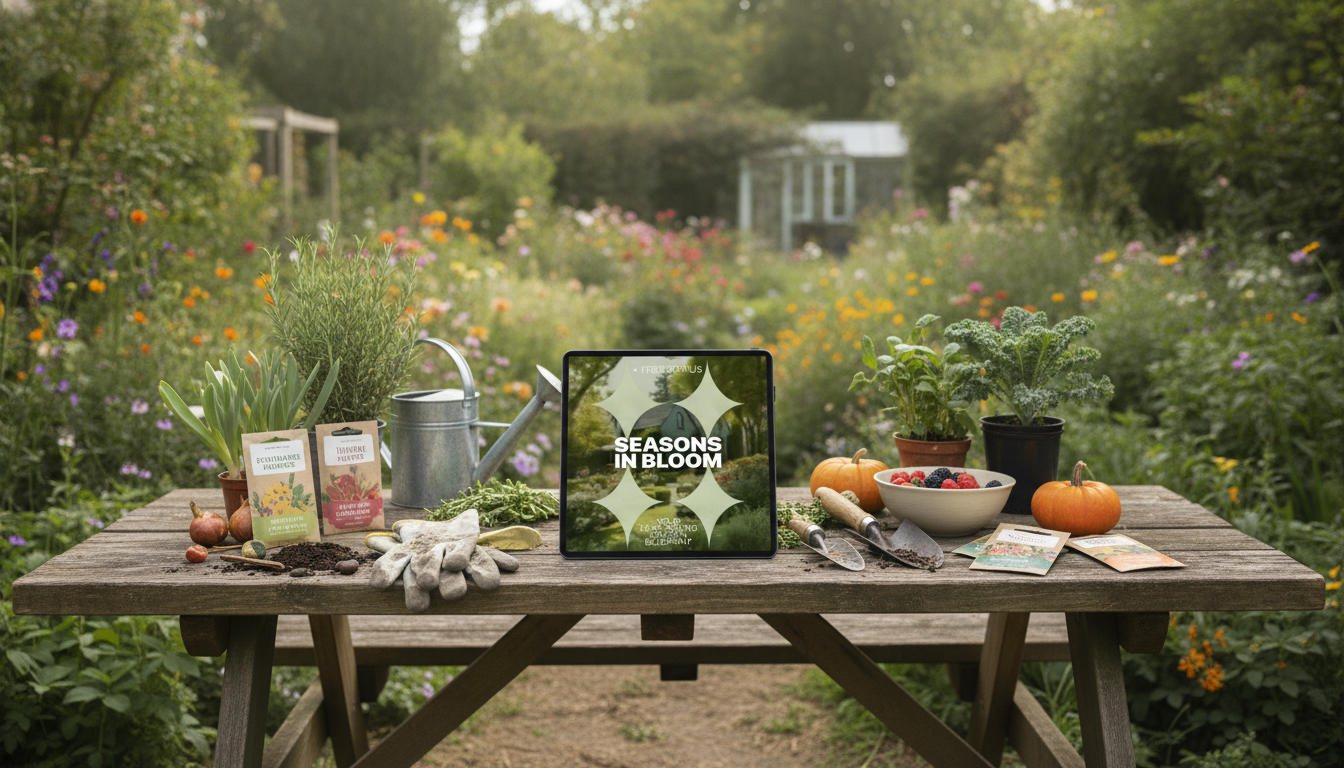
Seasons in Bloom: A Year-Round Garden Blueprint for Planning, Planting, and Harvesting
A thriving garden is rarely the result of luck—it’s the result of timing. When planting windows, heat waves, and frost dates are treated like a calendar (not surprises), you can keep beds and containers productive across the year. A simple year-round plan helps you match crops and ornamentals to seasonal windows, organize succession planting, and maintain soil health so your garden stays attractive and useful month after month—even in compact spaces.
What “year-round planning” actually means
Year-round planning is a repeatable cycle you can refine each season. Start by assessing your site and climate, then set clear goals (flowers, food, or both), map your beds and containers, and schedule sowing and transplant dates. Finally, track results so next year’s plan is easier and more accurate.
Great gardens overlap seasons on purpose: while one crop is finishing, the next is already started indoors, direct-sown, or hardening off. This approach also supports a “beauty + yield” balance—continuous bloom, foliage interest, and steady harvest windows rather than a single peak and a long lull.
Constraints become design tools. Sun hours, typical rainfall, frost dates, and the amount of time you can realistically spend each week all determine the most reliable plan. Instead of fighting those limits, build your schedule around them.
Start with your climate and calendar
Begin with your hardiness zone and any microclimates around your home: south-facing walls that stay warmer, low spots that collect cold air (frost pockets), windy corners that dry out quickly, or shaded patios that delay spring growth. The USDA Plant Hardiness Zone Map is a solid starting point for perennial choices, while day-to-day placement decisions come from observing your yard.
Next, find your average last spring frost date and first fall frost date, then count the workable weeks between them. That span helps you choose varieties that mature on time and decide what needs an indoor head start. Many gardeners also benefit from local extension guidance; Cornell’s resources are a helpful reference point for understanding frost dates and growing seasons (Cornell Cooperative Extension).
Define what “success” looks like: cut flowers for vases, pollinator habitat, salad greens most weeks, herbs for cooking, or a compact patio garden that stays tidy. Then draw a simple map of beds, paths, containers, water access, and a compost or leaf-mold area. The goal isn’t artistry—it’s clarity.
Season-by-season focus (and what to do when)
Late winter to early spring
Handle the “behind-the-scenes” work: start seeds indoors for long-season crops (where needed), test soil, top-dress beds with compost, and prepare early cool-season crops. Clean tools and confirm you have labels, trays, and a plan for watering seedlings consistently.
Spring
Transplant hardy seedlings, direct-sow fast growers, and install trellises early (before roots and stems make it awkward). Weed control is easiest when soil is moist and weeds are small—quick weekly passes save hours later.
Summer
Fall
Winter
Protect soil with mulch or cover crops, review your notes, and plan improvements—rotation, irrigation upgrades, and variety changes based on what performed well. If you like structure, seasonal guidance from established horticultural organizations can reinforce your timing and expectations (see Royal Horticultural Society: Gardening Through the Seasons).
A practical month-to-month blueprint (example checklist)
| Season | Planning tasks | Planting actions | Protection & maintenance |
|---|---|---|---|
| Late Winter | Order seeds, sketch bed plan, confirm frost dates | Start long-season seedlings indoors (as needed) | Clean tools, refresh potting mix, check grow lights |
| Early Spring | Finalize succession schedule, prep supports | Direct-sow cool-season crops; transplant hardy starts | Watch soil moisture; cover during surprise frosts |
| Late Spring | Plan summer rotations, set irrigation priorities | Warm-season transplants; second wave of sowings | Mulch, scout pests weekly, train vines early |
| Summer | Schedule fall plantings; restock seed for cool crops | Succession-sow; plant heat-tolerant varieties | Deep water, shade sensitive plants, deadhead blooms |
| Early Fall | Map emptying beds; plan overwinter areas | Plant cool-season crops; sow cover crops where needed | Row covers for insects and early cold snaps |
| Late Fall/Winter | Review notes; plan rotations and soil amendments | Garlic/perennials where suitable; minimal disturbance | Mulch beds; protect containers; store hoses/tools |
Designing continuous bloom and harvest
Soil, water, and protection that make the plan work
Using a digital guide to stay consistent
For a structured, year-round framework, see Seasons in Bloom: Your Year-Round Garden Blueprint – A Digital Guide for Year-Round Garden Planning. If you’re setting up a dedicated device for schedules, spreadsheets, and garden journals, How to Choose the Perfect Laptop for Your Job – A Practical Work Laptop Buying Guide for Professionals, Freelancers & Remote Workers can help you pick a setup that supports the way you actually plan and track projects.
FAQ
How do frost dates affect what can be planted each month?
Your average last spring frost and first fall frost define the safest outdoor planting windows; use them to count backward for seed-starting and forward for “weeks to maturity.” Microclimates can shift timing by days or even a couple of weeks, so observe warm walls, cold low spots, and wind exposure to fine-tune your schedule.
Can a small container garden be planned year-round?
Yes—containers can cycle through seasonal swaps (cool-season greens, summer fruiting plants, fall greens) as long as you refresh soil, fertilize appropriately, and add vertical supports to save space. In cold or stormy weather, moving pots to sheltered spots or using simple covers extends the season and prevents setbacks.
What is succession planting and how often should it be done?
Succession planting means sowing or transplanting in intervals so crops mature in a steady stream rather than all at once. Many fast crops can be sown every 1–3 weeks, with longer gaps during extreme heat or cold when germination and growth slow down.










Leave a comment