Total-Body Transformation: Full-Body Strength + Cardio
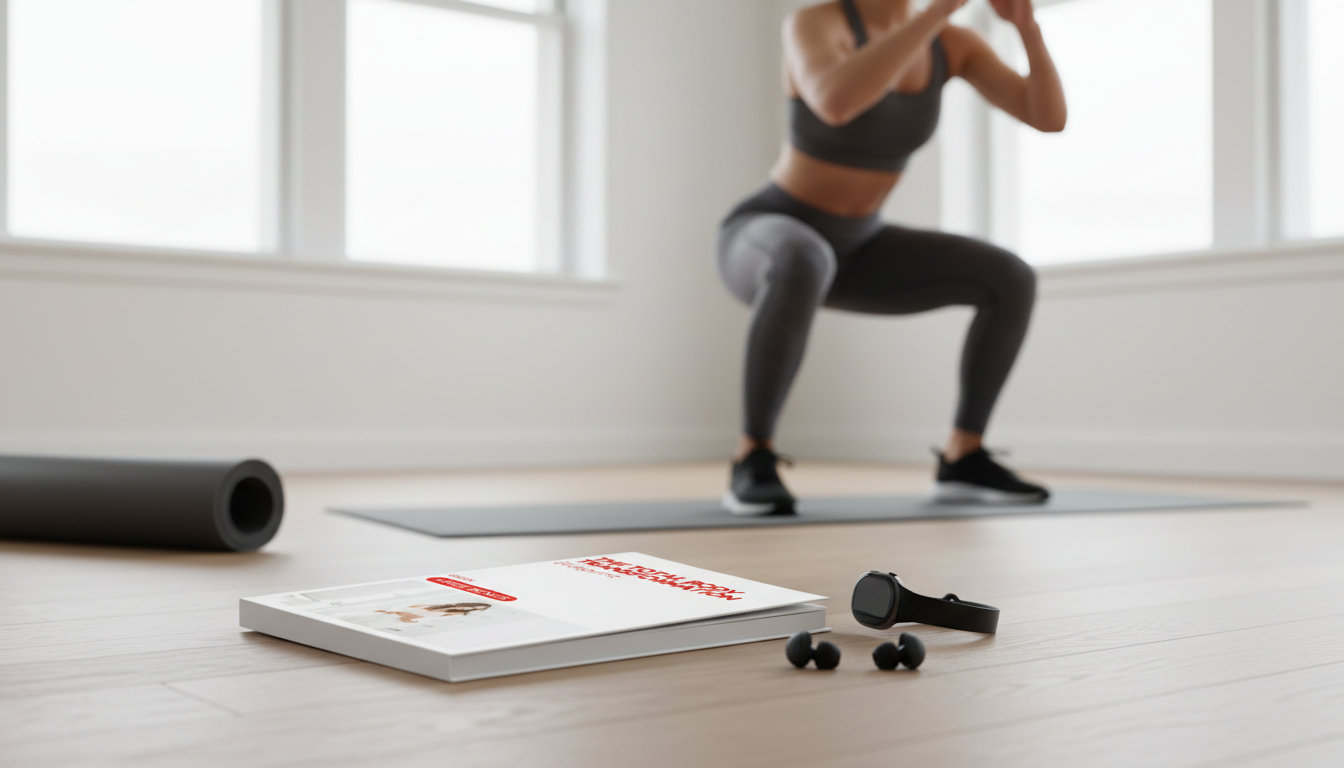
What “total-body transformation” actually includes
A real total-body transformation isn’t just adding exercises or sweating more—it’s building a body that’s strong, mobile, well-conditioned, and supported by habits that make progress repeatable.
- Strength: building muscle and resilience through full-body movement patterns (squat, hinge, push, pull, carry, core).
- Mobility: improving usable range of motion and control, not just passive stretching.
- Cardio: supporting an aerobic base (easy/moderate) and conditioning (intervals) without sacrificing recovery.
- Lifestyle habits: sleep, daily movement, nutrition consistency, and stress management—the multipliers that keep results coming.
The pillars of a full-body strength plan
The most effective full-body programs revolve around a few repeatable movement patterns. That keeps training focused, measurable, and joint-friendly.
- Prioritize compound movements: squats or split squats, hip hinges (RDLs/hip thrusts), presses, rows/pull-downs, loaded carries, and anti-rotation core work.
- Use a repeatable structure: 2–4 full-body sessions per week beats occasional “perfect” workouts.
- Progression options: add reps, add load, add sets, slow tempo, reduce rest, or improve technique range.
- Balance intensity and volume: include both moderate, controlled sets and a smaller amount of challenging work to drive adaptation.
- Keep joints happy: include unilateral work, posterior chain emphasis, and pulling volume to offset daily posture.
Movement Pattern Checklist (Build Each Workout From These)
| Pattern | Examples | Why it matters |
|---|---|---|
| Squat/lunge | Goblet squat, front squat, split squat, step-up | Leg strength, knee/hip control, everyday movement capacity |
| Hinge | RDL, deadlift variation, hip thrust, good morning | Glutes/hamstrings, back durability, power transfer |
| Push | Push-up, dumbbell bench, overhead press | Upper-body strength and shoulder function |
| Pull | Row, pull-up/pull-down, face pull | Posture support, back strength, shoulder balance |
| Carry | Farmer carry, suitcase carry, rack carry | Core/bracing, grip, real-world strength |
| Core (anti-movement) | Pallof press, dead bug, plank variations | Spine stability, better lifting mechanics |
A sample weekly schedule that blends strength, mobility, and cardio
A practical week balances training stress and recovery. Three full-body strength sessions give you enough frequency to improve technique and drive muscle growth, while cardio and mobility support health and work capacity.
- Strength: full-body training 3 days per week for consistent practice and recovery spacing.
- Cardio: 2 days—one easier aerobic session and one interval-based session, scaled to your level.
- Mobility: short sessions (5–12 minutes) done frequently beat occasional marathon stretching.
- Recovery: at least 1 lower-stress day to protect sleep and reduce overuse aches.
If you want official baseline targets for weekly activity, the Physical Activity Guidelines for Americans and the CDC adult activity recommendations are solid references you can build around.
How to progress without burning out
Progress is the goal, but sustainability is the requirement. The fastest plans on paper fail when fatigue outpaces recovery.
- Start technique-first: for the first 2–3 weeks, leave 1–3 reps in reserve on most sets so you can practice clean reps and recover well.
- Use a simple rule: when you hit the top of a rep range across all sets with good form, add a small amount of weight next time.
- Deload strategically: every 4–8 weeks, reduce sets and/or load to keep joints and motivation fresh.
- Watch recovery signals: declining sleep quality, persistent soreness, falling performance, and irritability often mean volume is too high.
- Keep cardio supportive: if strength is the priority, avoid stacking hard intervals right before heavy lower-body sessions.
Mobility that transfers to better training
The mobility work that matters most is the kind you can control—because strength training demands stability at end ranges, not just “looser” muscles.
- Use mobility with control: focus on controlled end ranges (for example, hip airplanes and controlled articular rotations).
- Target common bottlenecks: ankles (squat depth), hips (hinge/squat mechanics), thoracic spine (pressing posture), shoulders (overhead comfort).
- Pair mobility with lifts: ankle/hip drills before squats; thoracic/shoulder prep before pressing; hamstring/hip prep before hinges.
- Keep it short: 5 minutes pre-workout plus 5 minutes on rest days is often enough to move the needle.
Cardio that complements a strength-focused body recomposition
Cardio doesn’t have to compete with strength. The trick is choosing the right dose and the right intensity.
Lifestyle habits that make results stick
Common mistakes that stall total-body progress
A structured plan to follow week to week
For a comprehensive, practical roadmap, explore The Total Body Transformation Blueprint – Strength Training & Full Body Workout Plan Guide for Total-Body Fitness, Mobility, Cardio & Lifestyle Habits. Pair it with a simple tracking system (loads/reps, weekly cardio minutes, sleep/steps/protein) and a quick review every two weeks to adjust only one variable at a time.
To protect the equipment you rely on—especially if you train frequently—add Train Smarter and Make Your Gear Last – Sports Gear Care Guide, Digital Download eBook & Checklist for Athletes to your routine so your shoes, bands, and accessories stay reliable session after session.
FAQ
How many days per week should a full-body plan be done for best results?
For most people, 3 full-body strength sessions per week is the sweet spot for progress and recovery. Add 1–2 cardio days and short mobility work as tolerated; beginners can start at 2 days and build up.
Can strength training and cardio be combined without losing muscle?
Yes—schedule easy cardio more often, limit hard intervals to about once per week, and avoid placing intense intervals right before heavy leg training. Adequate protein, enough calories for your goals, and consistent sleep help protect muscle.
What equipment is needed to follow a total-body program at home?
A pair of dumbbells or a kettlebell, a few bands, and a sturdy bench or chair can cover most squat/hinge/push/pull patterns. A pull-up bar is helpful, but rows, band pulldowns, and other substitutions can fill the gap.











Leave a comment