Switching to Synthetic Oil: Steps, Specs & Myths
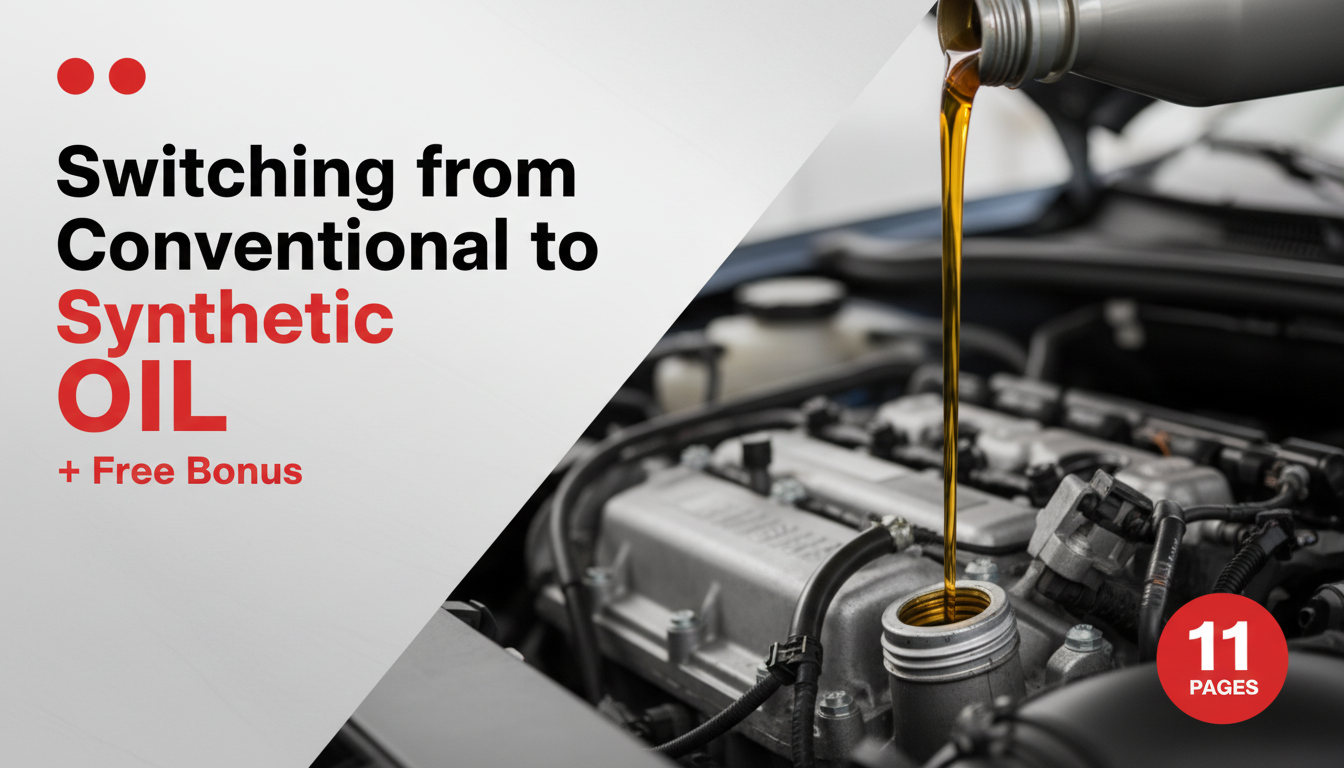
Switching from Conventional to Synthetic Oil: A Practical Car Care Guide
Switching to synthetic oil is one of the simplest upgrades for long-term engine protection, but it works best when matched to the right viscosity, service conditions, and maintenance habits. This guide explains when switching makes sense, what changes (and what doesn’t), and how to do it without guesswork—whether the vehicle is new, high-mileage, turbocharged, or used for short trips and towing.
Conventional vs. Synthetic: What Actually Changes
The biggest difference is the base oil. Synthetic base stocks are engineered for more stable performance across heat and cold, while conventional oil is refined from crude and tends to vary more under stress. That stability often translates into better cold-start flow, improved resistance to high-temperature breakdown, and stronger deposit control in demanding conditions.
It’s also important to separate “oil type” from “oil quality.” Additive packages (detergents, anti-wear chemistry, and viscosity improvers) can vary by brand and specification, not just by whether a bottle says synthetic. Two oils with the same viscosity grade can behave differently if they meet different standards or approvals.
One more point that trips people up: synthetic oil doesn’t “create” leaks. What can happen is that a higher-detergency oil cleans deposits that were masking seepage around aging seals or gaskets, making an existing weakness easier to spot.
Can Any Engine Switch to Synthetic Oil?
Most modern gasoline and diesel engines can switch at any time as long as the oil meets the owner’s manual viscosity grade and required specifications (API/ILSAC/ACEA or a manufacturer approval, depending on the vehicle). For a quick primer on standards, the American Petroleum Institute (API) provides a clear overview of licensing and categories.
If an engine already has oil consumption issues, it’s smart to diagnose first. A switch won’t fix worn piston rings, valve stem seals, or a malfunctioning PCV system, and it won’t stop an external leak at a gasket or seal. Older or high-mileage vehicles can still switch successfully; if minor seepage or hardened seals are a concern, a high-mileage synthetic formulation may help condition seals (without acting like a “stop leak”).
For vehicles under warranty, the oil meeting the correct specification matters more than whether it’s synthetic or conventional. Keep receipts and note the oil’s approval on the label.
Choosing the Right Synthetic Oil for the Switch
Start with viscosity. Match what’s listed in the owner’s manual (examples: 0W-20, 5W-30). Viscosity grade determines thickness at operating temperature and cold flow characteristics, and it’s standardized; SAE’s overview of viscosity grading is a useful reference for how the numbers work (SAE J300).
Next, confirm performance standards. Depending on your vehicle, you may need API SP for gasoline, ILSAC GF-6, dexos, ACEA categories, or a brand-specific approval. If the bottle doesn’t clearly list the needed standard, choose another product that does.
Switching Step-by-Step: The Clean, Safe Way
1) Warm the engine and drain thoroughly
2) Replace the filter every time
3) Skip the flush unless sludge is confirmed
4) Refill, verify, and re-check
5) Reset reminders and track the change
Oil Change Intervals After Switching
Synthetic oil can support longer intervals, but the “right” interval depends on the owner’s manual, the oil life monitor, driving severity, and engine condition. Short-trip driving is a common reason to shorten intervals even with a premium synthetic because the oil may not get hot long enough to boil off moisture and fuel contamination. For general maintenance guidance, AAA’s resources are a helpful baseline (AAA Auto Repair & Maintenance).
Practical interval guide (confirm with the owner’s manual and oil life monitor)
| Driving conditions | Common pattern | Conservative interval approach | Notes |
|---|---|---|---|
| Mostly short trips / city | Frequent cold starts, idling, stop-and-go | Shorter than maximum recommended | Moisture and fuel dilution can build up faster |
| Mixed driving | Commute plus highway | Follow oil life monitor or manual | Synthetic helps with stability and deposits |
| Heavy duty | Towing, high heat, mountain driving | Shorter than maximum recommended | Heat and load increase oxidation and shear |
| Mostly highway | Long steady trips at operating temp | Oil life monitor or manual | Often the easiest condition for oil longevity |
What to Watch for After the Switch
Common Myths That Cause Confusion
Quick Checklist Before Buying Oil
Recommended Guides (Digital Downloads)
- Switching from Conventional to Synthetic Oil – Complete Car Care Guide | Can I Switch from Conventional to Synthetic Oil Explained
- Train Smarter and Make Your Gear Last – Sports Gear Care Guide, Digital Download eBook & Checklist for Athletes
FAQ
Can synthetic oil cause leaks in an older engine?
Synthetic oil doesn’t create leaks, but it can clean away deposits that were masking seepage at tired seals or gaskets. If minor seepage is present, confirm the correct viscosity and consider a high-mileage synthetic, then monitor common leak points after the change.
Do you need an engine flush before switching to synthetic oil?
A flush is usually unnecessary, and it can be risky if heavy sludge is present because loosened debris can clog passages. A safer approach is regular oil changes (often with a shorter first interval if history is unknown) and professional evaluation if severe sludge is suspected.
Can you switch back to conventional oil after using synthetic?
Yes—switching back is generally safe as long as the oil meets the required viscosity grade and specifications for your vehicle. Frequent switching isn’t harmful, but consistent intervals and correct specs matter most for engine protection.















Leave a comment