Remote Work Mindset: Productivity, Focus & Balance Plan
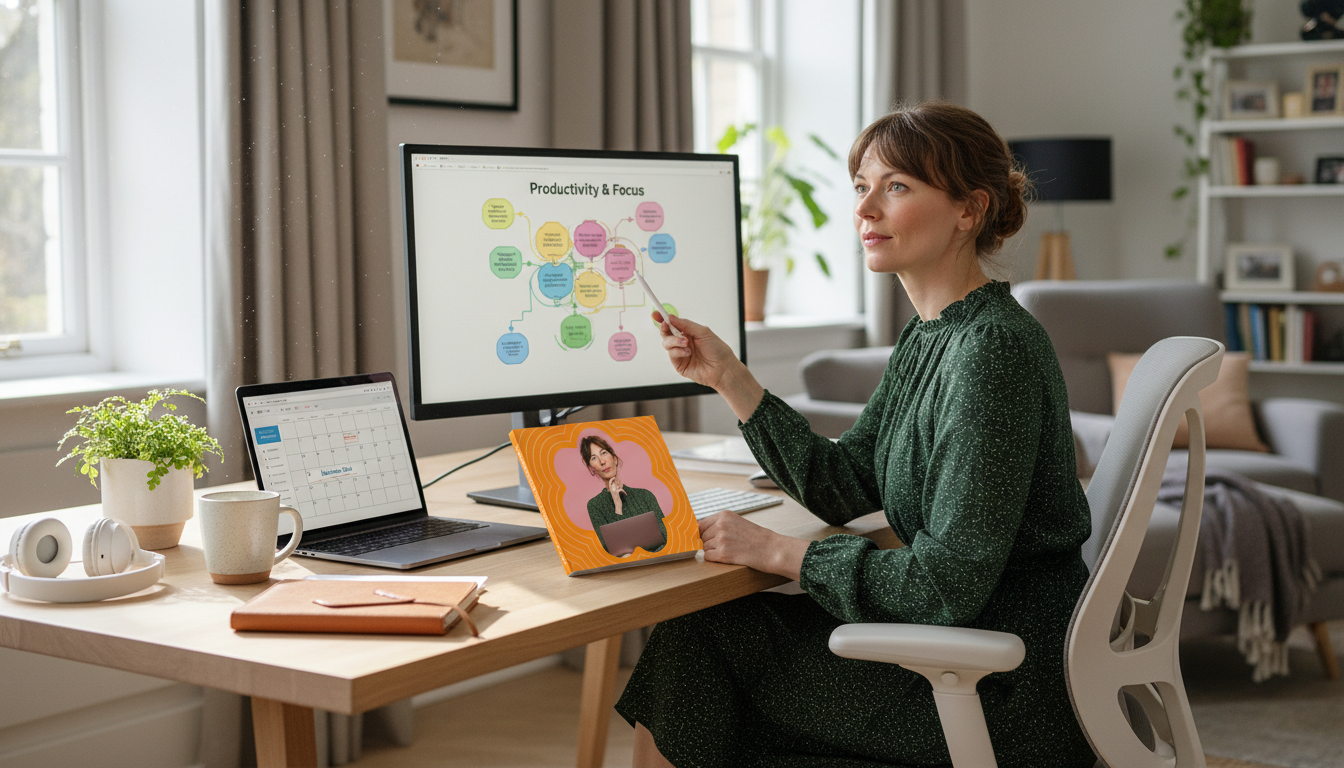
Mastering the Remote Work Mindset: Practical Ways to Stay Productive, Focused, and Balanced
Remote work rewards clarity, self-leadership, and intentional boundaries. The biggest gains often come from shifting habits and expectations—how the day starts, how attention is protected, how communication is handled, and how work ends. With a few simple systems, remote work can feel sustainable while improving output and reducing stress.
What “Remote Work Mindset” Really Means
A strong remote work mindset is less about “being disciplined” and more about designing your day so progress happens even when motivation and conditions vary.
- Treat attention as a limited resource: decide where it goes before distractions decide for you.
- Swap “time at desk” for outcomes: define what “done” looks like, then work backward.
- Assume friction will happen: noise, interruptions, or low energy are normal—build around them.
- Build trust through visibility: consistent updates and clear deliverables replace in-office presence.
Reset Expectations: Office Habits That Don’t Translate Well
Many remote frustrations come from trying to recreate office norms at home. A better approach is to keep what works (clarity, collaboration) and drop what doesn’t (constant availability).
- Instant replies all day: replace with response windows and a clear escalation path.
- Back-to-back meetings: cap meeting blocks and protect focus blocks like appointments.
- Multitasking as “normal”: single-tasking reduces rework and improves quality.
- Endless availability: define start/stop times and communicate them consistently.
Design a Workday That Runs on Cues, Not Willpower
Cues reduce decision fatigue. When your brain recognizes “this is focus time” or “this is admin time,” it transitions faster and resists distractions more easily.
- Create a start ritual (5–10 minutes): quick plan, top 1–3 outcomes, open only what you need.
- Use theme blocks: deep work, collaboration, admin, learning—so you’re not switching modes constantly.
- Add a mid-day reset: a short walk, hydration, sunlight, or a brief tidy prevents energy drift.
- End ritual: capture loose tasks, plan tomorrow’s first step, close tabs, and leave the workspace.
Simple daily structure (adjust to your role)
| Time block | Purpose | Example actions |
|---|---|---|
| Start ritual (5–10 min) | Clarity | Review calendar, pick top outcomes, set a timer |
| Focus block (60–120 min) | High-impact output | Draft, code, analyze, create—notifications off |
| Collaboration block (30–90 min) | Coordination | Messages, standup, reviews, meetings |
| Admin block (20–45 min) | Maintenance | Email processing, docs, scheduling, small fixes |
| End ritual (5–10 min) | Closure | Plan next step, update tasks, shutdown routine |
Protect Focus in a Distraction-Heavy Environment
At home, distraction isn’t a personal failure—it’s a predictable condition. The goal is to reduce context switching and make focus the default.
- Make focus visible: use “do not disturb” during deep work and share focus windows with your team.
- Lower switching costs: keep one primary task list and one capture place for interruptions.
- Timebox work: short sprints make starting easier and limit perfectionism.
- Batch shallow work: process email and chat at set times instead of grazing all day.
If stress is building because focus feels impossible, it helps to treat it as a system issue, not a character issue. Practical guidance from organizations like NIOSH (CDC) on workplace stress and the American Psychological Association’s stress resources can support healthier routines.
Boundaries That Prevent Burnout (Without Killing Collaboration)
Boundaries aren’t walls; they’re agreements. They protect deep work, recovery, and long-term performance while still keeping collaboration smooth.
- Define what is truly urgent: a simple rule (for example, “phone call only for deadlines today”) prevents false alarms.
- Clarify availability: publish working hours and preferred channels for different needs.
- Separate “work zone” from “home zone”: use space, lighting, or a consistent setup cue to switch modes.
- Schedule recovery like meetings: breaks, lunch, and a real stop time belong on the calendar.
Communication That Builds Trust Remotely
Remote trust grows when people can quickly see what’s happening, what decisions are needed, and what’s next—without extra meetings.
- Write for the reader: lead with the decision needed, then add context in bullets and a clear next action.
- Use asynchronous updates: short daily or twice-weekly summaries reduce status meetings.
- Document decisions: one source of truth prevents repeating the same conversations.
- Normalize clarifying questions: fewer assumptions means fewer revisions and less frustration.
For additional tactics on working well outside the office, the Harvard Business Review’s working-from-home collection is a helpful reference for communication and team norms.
Staying Motivated When No One Is Watching
Motivation becomes more reliable when it’s treated as the result of momentum, not the prerequisite. Aim for consistent starts, visible progress, and realistic pacing.
A Practical 7-Day Reset Plan
A Guided Workbook-Style Option for Building the Habit
- Mastering the Remote Work Mindset – Practical Ebook Guide on how to adapt to remote work mindset for Productivity, Focus & Balance (digital download) is designed for step-by-step implementation across productivity systems, focus protection, communication habits, and boundaries.
- If your remote work includes creative production, MidJourney Prompts for Realistic Images – Pro Guide to midjourney prompts for realistic images, Photorealistic AI Art, Digital Download for Creators can support faster iteration during scheduled creative blocks—especially when paired with clear start/stop rituals.
FAQ
How long does it take to adjust to remote work?
Most routines stabilize in about 2–6 weeks. Focus on small system changes—working hours, focus blocks, and communication windows—rather than trying to change everything at once.
How can focus improve when working from home is distracting?
Use environmental cues, turn off nonessential notifications, and schedule clear deep-work blocks. Timeboxing and batching messages reduce context switching, which is often the real focus killer.
What’s the best way to maintain work-life balance when remote?
Set a hard stop time and use a shutdown ritual to close loops and plan the next day’s first step. Separate work and home with consistent cues (space, lighting, or setup) and communicate availability so boundaries are respected.











Leave a comment