Owner-Tested Pet Training Tips for Real-Life Routines
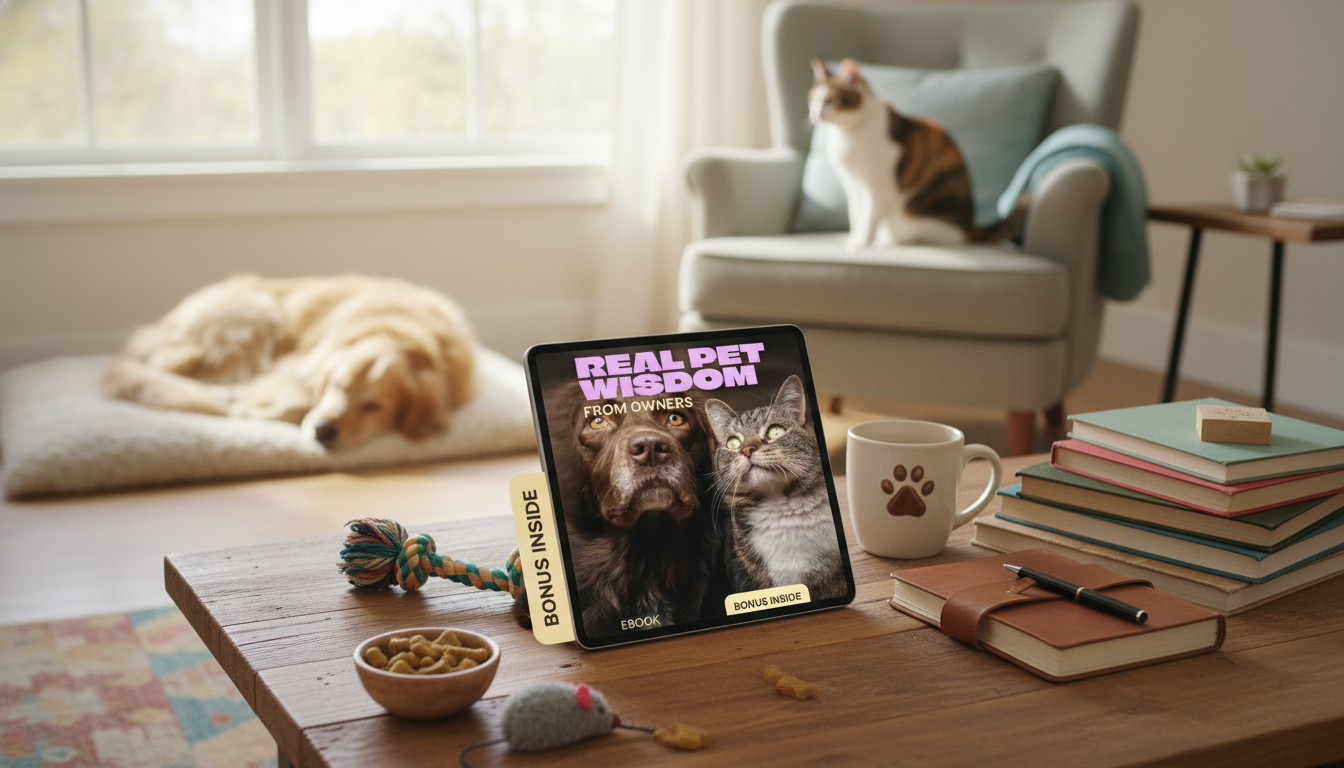
Real Pet Wisdom, From Owners: Everyday Training and Behavior Lessons That Actually Stick
Practical pet advice is often easiest to apply when it comes from people who have handled the same problems at home—busy mornings, inconsistent routines, distractions on walks, and the small habits that shape behavior over time. The most effective changes are usually unglamorous: better timing, simpler setups, and clearer expectations that a pet can repeat day after day. Below are owner-tested lessons for training, behavior, and everyday life—plus an easy way to decide what to tackle first and how to track progress without turning your home into a boot camp.
Why owner-tested advice can be easier to use
Owner-tested tips tend to work because they respect real-life constraints. Not every household has perfect schedules, a quiet yard, or a single “main trainer.” Practical advice accounts for mixed-skill families, kids coming and going, and pets that behave differently with each person.
- Real-world friction is built in: time, energy, weather, visitors, and apartment hallways.
- Small tweaks create big change: shifting timing, changing the environment, and tightening consistency can make training “click.”
- Setbacks are normal: missed walks, overstimulation, and a rough week don’t erase progress—recovery steps matter.
- Observation beats guessing: when you identify what motivates your pet and what triggers stress, you can adjust without escalating.
Start with the basics: routines that prevent problems
Many “behavior issues” improve when a pet’s day becomes more predictable. A steady rhythm reduces uncertainty and gives you more chances to reward the behaviors you actually want: calm greetings, easier transitions, and better focus when you ask for a cue.
- Build a predictable daily rhythm: feeding, potty breaks, walks/play, rest, and short training moments.
- Use management before correction: gates, indoor leashes, covered trash, chew options, and a safe zone prevent rehearsal of bad habits.
- Reduce accidental rewards: if jumping or barking reliably gets attention, it will keep happening—even if it’s “negative” attention.
- Create default behaviors that pay off: sit for greetings, go to a mat, wait at doors, and settle after excitement.
Quick routine tweaks and the behaviors they support
| Routine tweak | What it helps with | How to keep it simple |
|---|---|---|
| Two-minute training after meals | Consistency for cues and impulse control | Pick one cue per week; end on a win |
| Same potty schedule for 7 days | Fewer indoor accidents; clearer signaling | Set phone reminders; reward immediately outdoors |
| Five-minute decompression walk | Lower reactivity and pulling | Let the pet sniff; avoid crowded routes |
| Evening chew/enrichment station | Biting, restlessness, nuisance barking | Rotate 2–3 safe options; supervise at first |
| Mat/bedtime routine | Settling, overexcitement, bedtime struggles | Treat for calm; keep it boring and repeatable |
Training lessons owners repeat: what makes cues reliable
Reliable cues don’t come from being “stricter.” They come from clear information: one cue, one meaning, rewarded at the right moment. Owners who get steady results tend to keep sessions short and build difficulty like a ramp—not a cliff.
- Timing matters more than intensity: reward the exact moment the behavior happens, not two seconds later.
- One cue, one meaning: avoid repeating commands. If it doesn’t happen, reset (move closer, reduce distraction) and try again.
- Raise difficulty gradually: distance, duration, and distractions are separate skills—train them one at a time.
- Short sessions win: 1–3 minutes, a few times a day, often beats one long session.
- Generalize on purpose: practice the same cue in new rooms, outdoors, and around low-level distractions so it travels with you.
For a clear foundation in reward-based training, the American Kennel Club’s positive reinforcement basics are a helpful reference point.
Behavior challenges at home: practical fixes that reduce friction
Common household challenges usually improve fastest when you combine management (preventing practice) with teaching an alternative (what to do instead). The goal isn’t perfection; it’s a calmer home with fewer repeated conflicts.
For quick, owner-friendly overviews of common dog behavior issues, the ASPCA’s training and behavior resources can support your plan.
Everyday lessons owners wish they learned sooner
If safety is a concern around nipping or bites, review the AVMA’s dog bite prevention guidance and prioritize management while you seek professional support.
A simple way to choose what to work on first
What’s inside the eBook and who it fits best
If you prefer guidance that sounds like real life—because it is—Real Pet Wisdom, From Owners eBook is built around practical lessons, quick reminders, and owner-tested ways to make training and day-to-day behavior more consistent.
If you also like creating polished visuals for pet schedules, training trackers, or before/after progress posts, MidJourney Prompts for Realistic Images – Pro Guide can help you produce realistic images for digital projects. And for owners building healthier routines alongside their pets, Energy Up, Move Smart pairs well with a more consistent walking and activity schedule.
Getting the most from the advice: a lightweight tracking method
FAQ
Is this eBook more about training commands or solving behavior problems?
It covers both: how to make cues reliable (timing, consistency, and gradually adding difficulty) and how to reduce everyday behavior challenges with home-friendly routines, management, and practical alternatives.
Will these lessons work for both dogs and cats?
Many principles apply broadly—routine, reinforcement, enrichment, and setting up the environment for success—while rewards and practice setups should be adapted to the species and the individual pet’s preferences.
When should a veterinarian or behavior professional be involved?
Get help for sudden behavior changes, signs of pain, escalating aggression, severe anxiety, self-injury, or when a pet repeatedly can’t settle despite consistent training and management.











Leave a comment