Nutrients That Impact Hair Loss: Iron, D, Zinc & More

Understanding Hair Loss from the Inside Out: Nutrients, Signals, and a Practical Plan for Stronger Hair
Hair shedding can be normal, but persistent thinning often reflects what’s happening beneath the surface—growth-cycle signaling, inflammation, stress load, and the availability of key nutrients. A science-informed approach looks beyond shampoos and trends to identify common deficiency patterns, dietary gaps, and the lifestyle factors that block absorption or increase demand. This guide organizes the most relevant nutrient connections and offers a clear, step-by-step way to support healthier, stronger hair over time.
Hair growth basics: why the follicle is sensitive to internal health
Hair follicles are among the body’s most “high turnover” tissues. To stay in anagen (the active growth phase), follicles need steady energy, enough protein to build keratin, reliable oxygen delivery through the blood supply, and a consistent stream of micronutrients that support cell division.
Hair loss isn’t always one simple category. Telogen effluvium (often triggered by stress, illness, postpartum shifts, rapid weight loss, or nutrition changes), androgen-related thinning, inflammatory scalp conditions, and traction/breakage can overlap. That’s why a practical “root cause” approach starts by separating shedding from breakage and mapping the timeline: many nutrition-related sheds show up about 6–12 weeks after a trigger, not immediately.
Medical evaluation is especially important when hair loss is sudden and patchy, accompanied by scalp pain or heavy scaling, rapidly diffuse, or paired with anemia symptoms (fatigue, shortness of breath, dizziness) or other systemic changes. For a clinician-focused overview of causes, see the American Academy of Dermatology Association’s hair loss resource.
Nutrient deficiencies most often linked with shedding and thinning
Nutrition isn’t the only factor behind thinning, but certain deficiencies repeatedly show up in people dealing with increased shedding or fragile growth. The goal is to connect symptoms, diet patterns, and risk factors with smart lab work—so you’re not guessing.
Key nutrients and why they matter
| Nutrient | What it supports | Food sources | Common pitfalls |
|---|---|---|---|
| Iron (ferritin) | Oxygen delivery, follicle cycling | Red meat, lentils, beans, spinach (with vitamin C) | Heavy periods, low intake, poor absorption, frequent blood donation |
| Vitamin D | Follicle signaling, immune balance | Sunlight exposure, fatty fish, fortified foods | Limited sun, higher latitudes, malabsorption, darker skin tones with low intake |
| Zinc | Protein synthesis, scalp/immune support | Oysters, beef, pumpkin seeds, legumes | Low animal foods, high phytate diets without preparation, GI issues |
| Protein | Keratin structure, growth demands | Eggs, poultry, fish, tofu, Greek yogurt | Calorie restriction, low-protein dieting, poor appetite during illness |
| Omega-3 fats | Inflammation modulation, skin/scalp barrier | Salmon, sardines, chia, flax, walnuts | Very low-fat intake, limited fatty fish, inconsistent supplementation |
Iron status (especially ferritin) is a frequent blind spot. Low iron stores can affect the hair cycle even when hemoglobin is still within range. The NIH Office of Dietary Supplements provides a detailed overview of iron needs, absorption, and lab considerations in its Iron Fact Sheet for Health Professionals.
Vitamin D is also commonly low in people with hair concerns, though the relationship can be multifactorial (overall health status, immune activity, and lifestyle). For dosing safety and upper limits, consult the NIH Vitamin D Fact Sheet for Health Professionals.
Zinc supports protein synthesis and immune balance; deficiency may come with shedding, brittle hair, and changes in skin or nails. Protein and total calories matter too—restrictive dieting, prolonged low appetite, and significant weight loss are classic telogen effluvium triggers. Finally, essential fatty acids support scalp barrier function; diets that get too low in fat can contribute to dryness and breakage.
Why “taking more” can backfire: imbalance, absorption, and timing
Supplements can help when they correct a real gap, but hair is a common place where “more” turns into “too much.” Excessive vitamin A or selenium can contribute to shedding, and high-dose zinc can disrupt copper balance over time.
A practical 4-step plan to support hair from the inside
Step 1 — Track patterns
Step 2 — Build a hair-supportive plate
Step 3 — Consider lab work and targeted support
Step 4 — Reduce growth-cycle disruptors
Science-backed nutrition guide for stronger, healthier hair (digital download)
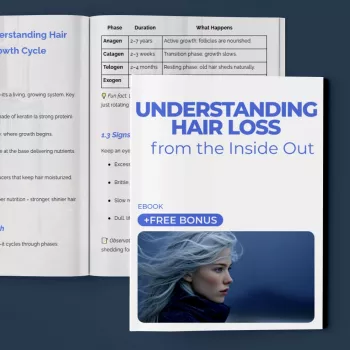
For a structured, easy-to-reference resource, Understanding Hair Loss from the Inside Out – Hair Loss and Nutrient Deficiency eBook (digital download) organizes nutrient-driven shedding into a practical nutrition strategy. It’s designed to help prioritize what to do first, what not to overdo, and how to monitor progress over several hair-growth cycles.
If you like using checklists to stay consistent with routines (meal planning, habit tracking, and upkeep), Train Smarter and Make Your Gear Last – Sports Gear Care Guide (digital download) is a separate, general checklist-style guide that can complement an organized approach to daily habits.
When to seek professional help
FAQ
How long does it take for nutrition changes to affect hair growth?
Because of hair-cycle timing, reduced shedding often takes about 8–16+ weeks of steady nutrition and lifestyle support. Visible regrowth and improved density can take several additional months as new hairs lengthen and thicken.
Which deficiencies are most commonly associated with hair shedding?
Iron (especially low ferritin), vitamin D, zinc, and inadequate protein/calories are among the most common nutrition-related contributors. Labs and a clinician’s guidance help confirm what’s relevant so you can avoid guessing.
Can supplements cause hair loss if taken incorrectly?
Yes. Excess vitamin A or selenium may contribute to shedding, high-dose zinc can create copper imbalance, and taking iron without a true need can cause side effects and potential risk for overload in susceptible people.










Leave a comment