Headphones vs Wireless Earbuds: What Fits Your Day?
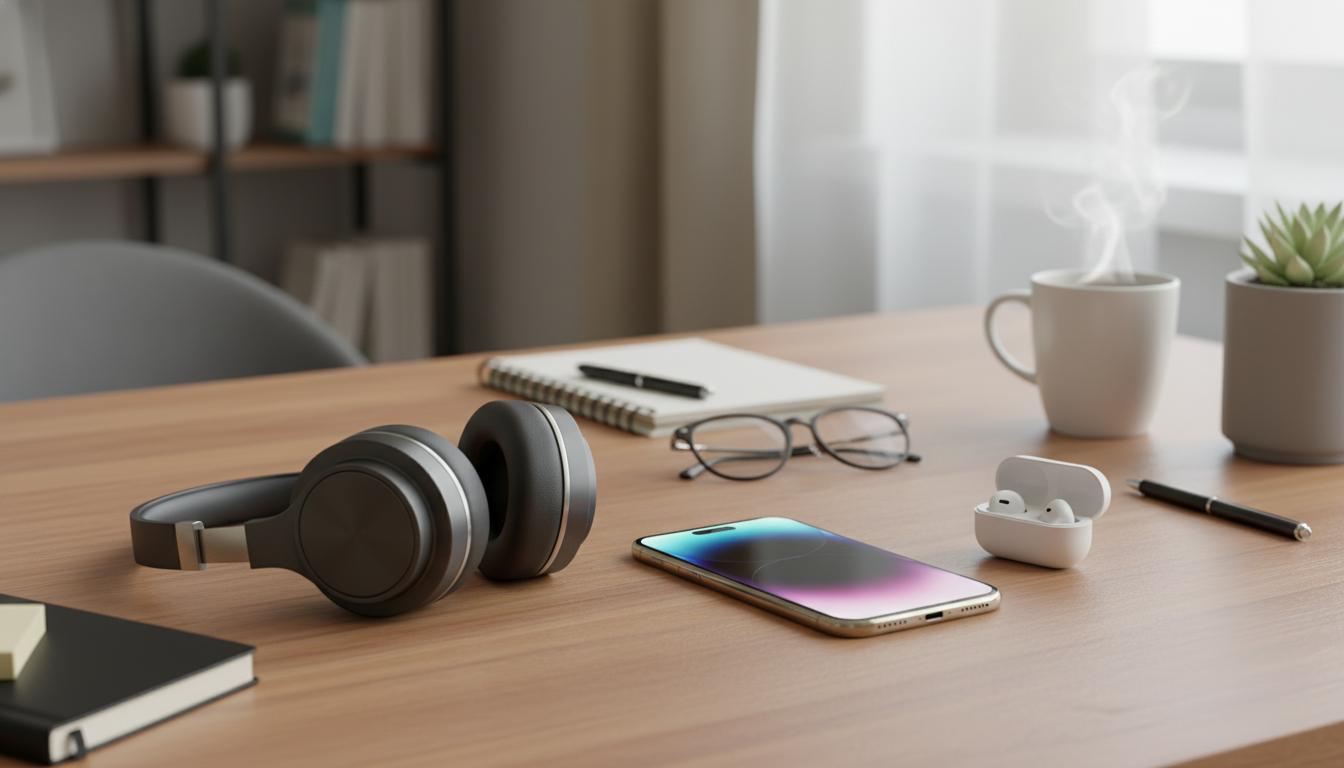
Headphones vs Wireless Earbuds: Choosing the Right Audio Companion for Your Day
Headphones and wireless earbuds solve the same problem—great sound on demand—but they shine in different parts of daily life: long listening sessions, commuting noise, workouts, calls, and travel. The best choice comes down to fit, comfort, noise control, battery habits, and the devices used most often. Below is a practical breakdown of the trade-offs so it’s easier to match the right option to real routines.
The Two Main Options (and What Counts as Each)
Headphones usually mean over-ear or on-ear designs. They tend to use larger drivers, have more room for bigger batteries, and provide stronger passive isolation simply because the earcups cover (or press on) the ear.
Wireless earbuds generally refers to true wireless earbuds (TWS): two separate earbuds plus a charging case. They’re pocket-friendly, quick to pop in and out, and often include touch controls and app-based EQ.
Common variations matter, too. Open-back headphones can sound airy and spacious but leak sound in and out, while closed-back headphones aim for isolation. Sport-focused earbuds add ear hooks or wings for stability, and stem-style earbuds often place microphones closer to the mouth for clearer calls.
Comfort, Fit, and All-Day Wear
Comfort is where the “best” choice becomes personal. Headphones distribute pressure across the head and around the ears, which many people prefer for longer sessions. The trade-off is bulk and potential heat buildup—especially in warm rooms or during movement—and some people find clamping pressure annoying with glasses.
Earbuds depend on an in-ear seal. With the right tips, earbuds can feel almost weightless, but the ear canal can fatigue after a few hours for some listeners. Getting the fit right is also critical for bass and noise control, so tip options matter more than many expect.
Look for fit features that prevent “hot spots” and constant readjusting: multiple silicone or foam tips, ear wings for stability, an adjustable headband, swivel earcups, and breathable pads. For hygiene, earbuds need regular cleaning (tips and nozzle area), while many headphones allow pad replacement when cushions flatten or crack.
| Priority | Headphones tend to win when… | Earbuds tend to win when… |
|---|---|---|
| Long sessions | Ears prefer less in-canal pressure | Lightweight fit with the right tips |
| Heat management | Room is cool; breathable pads help | No earcup heat buildup |
| Glasses/earrings | Clamp force is gentle and pads are soft | Nothing presses on frames |
Sound Quality and Listening Style
Headphones often have the advantage for immersive listening: larger drivers and more internal space can deliver better bass extension, stronger dynamics, and a wider soundstage—especially with over-ear closed-back models designed to seal well. That doesn’t mean earbuds can’t sound excellent; modern tuning is sophisticated, and a consistent seal influences perceived bass and balance more than driver size alone.
For detail-focused listening, prioritize stable fit, codec support, and an app EQ that can save a custom profile. For casual listening, the priorities shift: comfort, stability, and quick pairing usually matter more than chasing the last bit of fidelity.
To compare models more objectively, review sites that measure frequency response, isolation, and microphone quality can help narrow the field. RTINGS is a useful reference for standardized testing: RTINGS — Headphones Reviews and Test Data.
Noise Isolation, Active Noise Cancellation, and Transparency
Noise control is a mix of passive isolation (physical seal) and active noise cancellation (ANC). Over-ear closed-back headphones typically block more outside noise passively than earbuds because the earcup forms a larger barrier. However, earbuds with deep-seal tips can close the gap, especially for mid and high frequencies.
| Scenario | Headphones | Wireless earbuds |
|---|---|---|
| Airplane cabin/engine rumble | Often stronger ANC and passive seal | Can be very good; depends heavily on fit |
| Busy street walking | Bulkier but stable; good awareness modes | Convenient; wind noise can be an issue |
| Office focus | Comfortable for long blocks; strong isolation | Easy to pop in/out for quick chats |
Battery, Charging, and Daily Convenience
Also consider switching between devices. Multipoint Bluetooth is especially useful for bouncing between a laptop and phone; look for models that can seamlessly prioritize calls. For a deeper look at Bluetooth features and updates, the Bluetooth SIG overview is a helpful reference: Bluetooth SIG — Audio Overview and Bluetooth Basics.
| Metric | Headphones (common range) | Earbuds (common range) |
|---|---|---|
| Single charge playback | 20–60 hours | 4–12 hours |
| Carry/charge method | One device, one cable | Earbuds + charging case |
| Best for | Long workdays, travel | Errands, commuting, gym |
Calls, Gaming, and Video Meetings
Which One Fits Your Routine?
Recommended Reads (In Stock)
- Headphones vs Wireless Earbuds: A Comprehensive Guide to Choosing the Perfect Audio Companion (digital guide)
- Train Smarter and Make Your Gear Last – Sports Gear Care Guide (helpful for anyone using earbuds in sweaty, high-use routines)
FAQ
Are wireless earbuds as good as headphones for sound quality?
Many wireless earbuds sound excellent, especially with a secure seal and solid tuning, but headphones often deliver a wider soundstage and stronger dynamics. With earbuds, fit and seal usually make the biggest difference in perceived bass and balance.
Which is better for workouts: headphones or wireless earbuds?
Wireless earbuds are usually the better workout option because they’re lighter, manage sweat better, and stay more stable with the right tips or wings. Look for an IP rating, secure-fit accessories, and controls that are easy to use mid-exercise.
Do headphones or earbuds have better noise cancellation?
It depends on the specific model and fit, but headphones often have an advantage thanks to stronger passive sealing and more space for ANC hardware. Well-fitting earbuds can get close for low-frequency rumble, especially when the seal is consistent.










Leave a comment