Cat Training at Home: 7-Day Beginner Plan
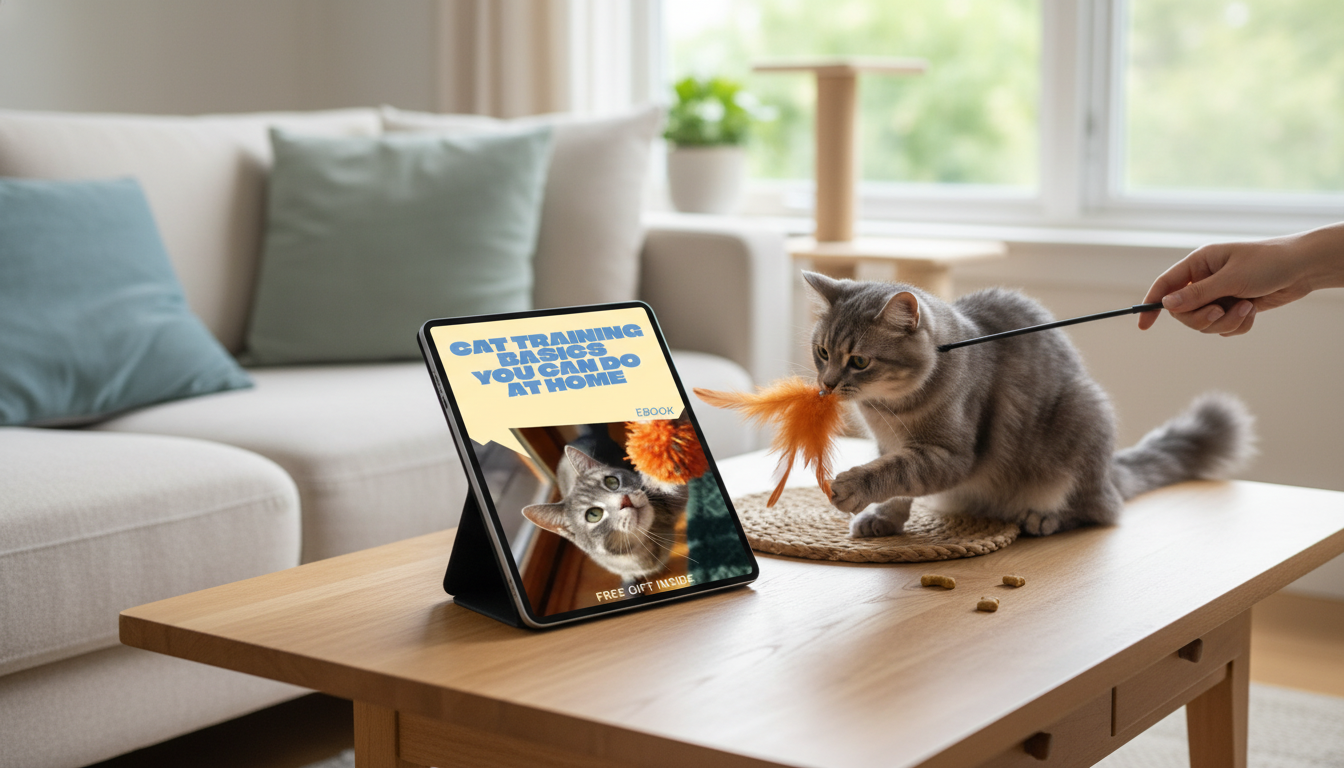
Cat Training Basics You Can Do at Home: A Step-by-Step Guide for Beginners
Simple, consistent training can turn everyday moments at home into calm routines and better behavior. This beginner-friendly guide focuses on practical skills—litter box reliability, scratching alternatives, gentle handling, and a few basic cues—using rewards, clear setups, and short sessions that fit real life.
What “training” means for cats (and what it doesn’t)
Training a cat is less about “obedience” and more about teaching predictable routines and preferred behaviors. Cats learn best when the right choice is easy, rewarding, and repeated often.
- Reward-based learning works: treats, play, or attention (if your cat enjoys it) help behaviors stick.
- Prevention beats correction: set up your home so good choices happen naturally.
- Avoid punishment: yelling, spraying water, or physical corrections can increase fear and worsen problem behaviors. Reward-based methods are widely recommended by behavior professionals such as the American Veterinary Society of Animal Behavior (AVSAB).
- Keep sessions tiny: 1–3 minutes is plenty. Frequent “wins” build faster progress than long drills.
Set up success: tools and home environment
You don’t need much to get started, but timing and environment matter.
- Pick high-value rewards: tiny crunchy treats, lickable treats, a quick wand-toy chase, or gentle attention.
- Use a marker: a clicker or a consistent word like “yes” the instant the behavior happens, followed by the reward.
- Control the environment early: close doors, cover tempting surfaces, and lower distractions while learning is new.
- Create “cat yes zones”: scratching posts near resting areas, a comfy mat for “stationing,” and easy access to litter boxes.
A 7-day starter plan (easy steps that build momentum)
This plan keeps things light, upbeat, and doable. Aim for 1–2 micro-sessions per day.
- Day 1: Identify rewards. Do 10–15 pairings of “marker” then treat so your cat learns the marker predicts something good.
- Day 2: Teach name attention. Say the name once, mark eye contact, then reward.
- Day 3: Add a target (finger or target stick). Mark a nose touch, reward. Use the target to guide a step or two.
- Day 4: Start “go to mat.” Mark stepping onto the mat and deliver the reward on the mat. End before your cat checks out.
- Day 5: Gentle handling game. Brief touch to paw/ears, mark, reward. Gradually extend duration over days.
- Day 6: Scratch training. Mark when your cat scratches the post, reward, and place the post in a high-traffic spot.
- Day 7: Combine: name → target → mat. Keep it fun and short.
Litter box basics: prevent the most common setbacks
Litter box problems are often about setup and stress—not “spite.” A few fundamentals prevent most issues.
- Placement: quiet, accessible, and not beside loud appliances. Avoid spots where a cat can feel cornered.
- Quantity: aim for one box per cat, plus one extra when possible.
- Litter preferences: unscented clumping litter is often best tolerated. If you switch, do it gradually.
- Cleaning routine: scoop daily; wash periodically with mild soap and water (skip strong fragrances).
- Sudden accidents: consider stress triggers and schedule a veterinary check to rule out medical causes. The ASPCA cat care resources also cover common behavior and care concerns.
Scratching: redirect rather than battle it
Scratching is normal cat behavior. The goal is to give a better “yes” option and make it more rewarding than your furniture.
- Provide options: at least one tall vertical post and one horizontal scratcher; both should be stable and non-wobbly.
- Placement beats perfection: put scratchers where scratching already happens (couch corners, doorways, near nap spots).
- Make it pay off: mark and reward scratches on the post; add catnip if your cat responds to it.
- Protect while training: use covers or double-sided tape temporarily so unwanted scratching is harder to rehearse.
Quick fixes for common training hurdles
| Issue | Most likely cause | Simple home adjustment | What to reward |
|---|---|---|---|
| Won’t use scratching post | Post is unstable or in the wrong spot | Move post to the “problem” area; choose taller/sturdier texture | Any touch or scratch on the post |
| Bites during petting | Overstimulation or sensitive areas | Shorten petting time; pause before escalation | Calm body language; choosing to move away |
| Nighttime zoomies | Boredom or inconsistent routine | Add 10–15 minutes play before bed; scheduled feeding | Settling on mat; calm after play |
| Counter jumping | Food smells + access | Clean surfaces; block access; offer a nearby perch | Choosing perch; four paws on floor |
Biting and rough play: teach better outlets
Counter surfing and food-stealing: a calm plan that works
Handling, carrier comfort, and nail care without drama
Troubleshooting: why progress stalls and how to reset
A simple home training routine that sticks
Step-by-step support for beginners (ebook option)
- Cat Training Basics You Can Do at Home (ebook) — a practical, beginner-friendly step-by-step plan for everyday skills.
- Real Pet Wisdom, From Owners: Essential Pet Advice (ebook) — real-world lessons and routines from pet owners on training, behavior, and daily life.
FAQ
How long does it take to train a cat at home?
Simple cues like name attention or targeting can improve in a few days, while habits like consistent scratching or calmer handling often take a few weeks. Short sessions, consistent rewards, and a low-stress environment make progress faster and more reliable.
Can cats be trained without treats?
Yes—many cats work for play, praise, petting, or access to a favorite perch or window. Treats are often easiest for beginners because they’re quick and precise; use tiny pieces and count them as part of daily calories.
What should be avoided when correcting bad behavior?
Avoid yelling, spraying water, and physical punishment, which can increase fear and make behavior worse. Instead, remove the reward for the unwanted behavior, manage the environment, and reward the preferred alternative.











Leave a comment