Best Sports for Weight Loss: Choose One You’ll Stick With
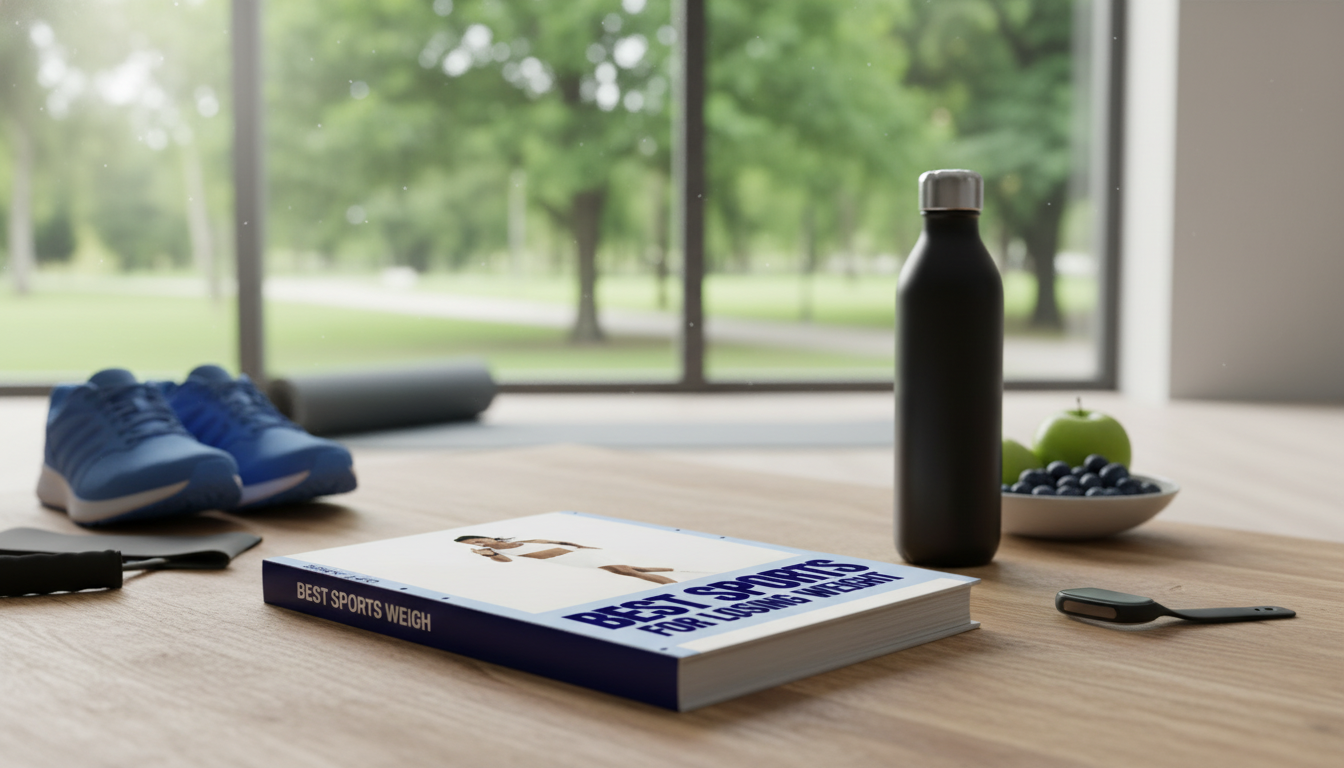
What makes a sport effective for weight loss
Losing weight through sports isn’t about hunting for one “magic” activity—it’s about choosing something that fits your life well enough to repeat for months. The biggest driver is consistency: 3–5 sessions per week, done at a challenging-but-manageable effort, usually beats occasional all-out workouts that leave you too sore or busy to return.
What matters most is total weekly movement (frequency × duration × intensity). A “weight-loss friendly” sport is enjoyable enough to keep doing, scalable from beginner to advanced, and realistic to maintain year-round. Fat loss still comes down to overall energy balance, but sport supports that by raising calorie output, improving fitness, and (for many people) making appetite easier to manage.
One underrated piece: muscle retention. Pairing your sport with two short strength sessions per week often improves body composition and helps protect joints and tendons. If you’re aiming for sustainable progress, that combination (sport + basic strength) is hard to beat. For general movement targets and health baselines, see the Physical Activity Guidelines for Americans and the CDC overview of physical activity benefits.
Quick comparison of popular sports (burn, impact, and practicality)
Use this comparison as a starting point, then narrow it down based on joint comfort, access, and what feels fun enough to repeat. Calorie burn varies a lot by body size and effort; the best choice is the one you can do consistently without excessive soreness.
| Sport | Typical intensity options | Impact level | Equipment/access | Why it can work well |
|---|---|---|---|---|
| Brisk walking / hiking | Easy to moderate; hills for harder | Low to moderate | Shoes; outdoors or treadmill | High consistency potential; easy recovery; great for building weekly volume |
| Running | Moderate to high; intervals available | High | Shoes; outdoors/treadmill | Time-efficient calorie burn; improves cardiovascular fitness quickly |
| Cycling (road/spin) | Moderate to very high | Low | Bike or studio | Low joint stress; easy to add volume; strong interval potential |
| Swimming | Moderate to high | Low | Pool access | Full-body; joint-friendly; good for heavier beginners |
| Rowing (machine) | Moderate to high | Low to moderate | Rowing erg access | High output; full-body; scalable intensity |
| Tennis / pickleball | Moderate to high (depends on play) | Moderate | Court + paddle/racket | Game-like motivation; intervals built in naturally |
| Soccer / basketball | High (stop-and-go) | High | Field/court + group | Very high output; social accountability |
| Martial arts / boxing fitness | Moderate to high | Moderate | Gym/classes | Skill progression keeps interest; mix of cardio + strength endurance |
If impact is an issue, lean low-impact first and add difficulty with intervals, hills, resistance, or slightly longer sessions. That approach keeps progress moving without beating up your joints.
Choose the right sport with a simple decision filter
Step 1 — Joint and injury check
If knees, hips, ankles, or lower back get cranky, start with low-impact options (cycling, swimming, rowing, brisk walking). You can always earn your way toward running or jumping sports after a few months of steady training and strength work.
Step 2 — Time reality
If you only have 20–30 minutes, pick sports that ramp up quickly (spin bike, rowing, running, boxing fitness). If you can carve out longer windows, walking and hiking can quietly create huge weekly calorie output with easier recovery.
Step 3 — Motivation type
Competitive and social personalities often stick best to racquet sports, leagues, team sports, or martial arts classes. Solo planners tend to do well with walking plans, running programs, cycling routes, or rowing workouts with clear targets.
Step 4 — Access and friction
Remove barriers. The “best” sport on paper loses to the sport you can do on a Tuesday at 6:30 p.m. with minimal setup. Nearby facility, simple scheduling, and minimal gear usually win.
Step 5 — Progression path
Choose something with a built-in way to level up: distance, pace, intervals, hills, skills, class levels, leagues, or events. A clear progression reduces plateaus and keeps motivation from fading.
Beginner-friendly weekly templates (pick one and run it for 4 weeks)
Pick a template that fits your body and calendar, then repeat it long enough to build momentum. Keep the first month almost “too doable,” then progress gradually.
Template A (low impact)
3 days cycling or swimming (30–45 minutes easy/moderate) + 2 days brisk walking (30 minutes) + 2 short strength sessions (15–25 minutes).
Template B (time-efficient)
Template C (sport-first)
How to burn more without burning out
A practical guide for picking your best-fit sport
For a step-by-step approach that helps narrow options and build a sustainable routine, see: Best Sports for Losing Weight – Practical eBook Guide to Finding the Best Sport for Weight Loss That You’ll Actually Stick With.
And because consistency gets easier when gear stays comfortable and reliable, the Train Smarter and Make Your Gear Last – Sports Gear Care Guide can help reduce friction (less odor, fewer breakdowns, fewer last-minute replacements).
FAQ
Which sport burns the most calories for weight loss?
Calorie burn depends on your body size and how hard you’re working, but high-output options often include running, rowing, cycling intervals, and competitive team sports. The most effective choice is the one you can repeat week after week, because weekly volume beats a single “top” sport done inconsistently.
What is the best low-impact sport for losing weight?
Cycling, swimming, rowing, and brisk walking/hiking are strong low-impact options because they allow high weekly volume with less joint stress. Progress by adding time first, then add intensity later (intervals, hills, or resistance) once your body feels resilient.
How many days a week should a sport be done to lose weight?
A practical target is 3–5 days per week, plus light activity (like walking) on off-days. If you’re new, start with 2–3 days and build gradually; adding 1–2 short strength sessions per week often improves results and reduces injury risk.










Leave a comment