Baby-Proofing With Pets: Room-by-Room Safety Fixes
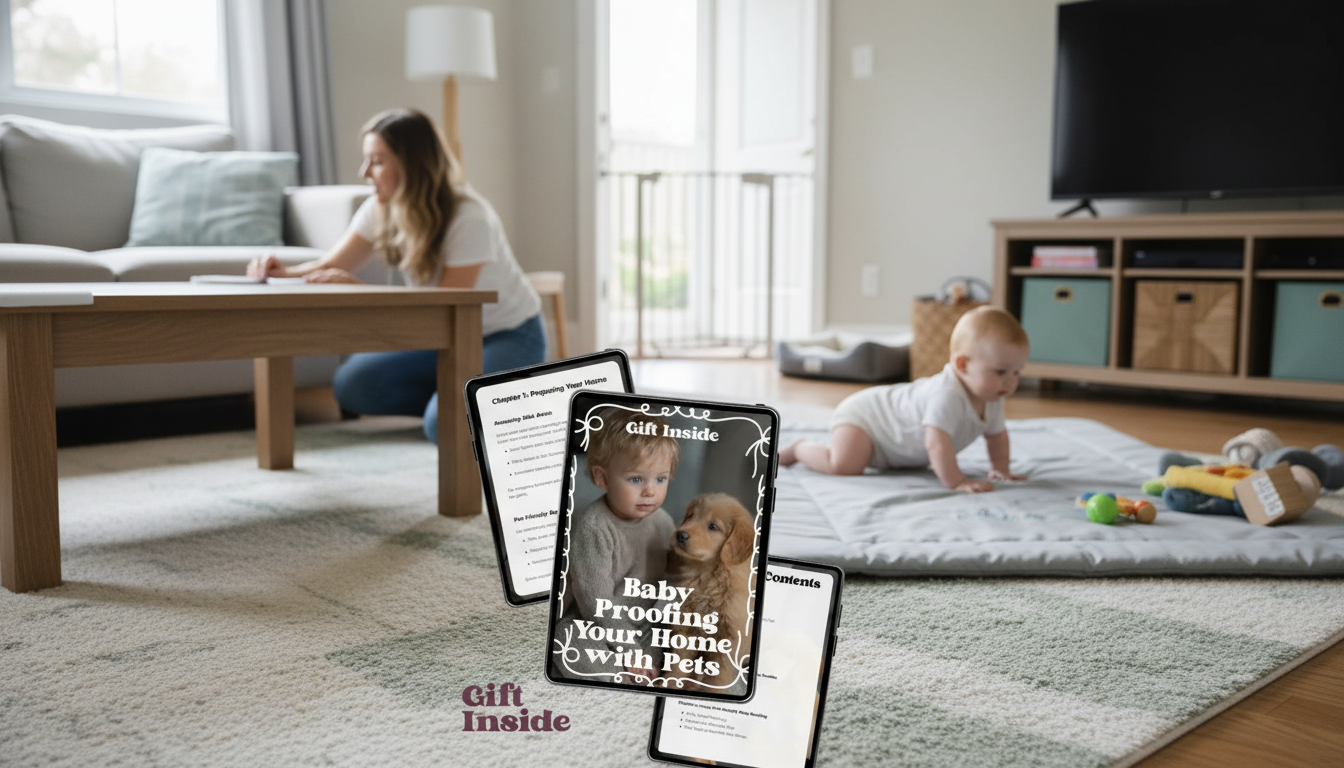
Baby Proofing Your Home with Pets: A Practical Safety Guide for New Parents
Babies explore with hands and mouths, while pets explore with paws, noses, and teeth. When both share the same space, everyday items like cords, gates, food bowls, litter, and cleaning products can become safety risks. This guide walks through practical, pet-aware steps to set up a home that protects a crawling baby without creating stress or unsafe restrictions for a dog or cat.
Start with a shared-safety mindset
- Assume anything within baby reach will be grabbed, mouthed, or pulled down; assume anything within pet reach can be chewed, knocked over, or eaten.
- Prioritize changes that reduce risk for both (secure furniture, lock up chemicals, manage cords) before buying specialty items.
- Plan separate “yes spaces”: a baby-safe play zone and a pet-safe retreat zone to prevent crowding and resource guarding.
- Use predictable routines (feeding, walks, nap time) to reduce pet anxiety during new baby transitions.
Home safety guidance from the American Academy of Pediatrics reinforces the value of layering protections: supervision, safe setup, and locked storage. With pets in the mix, those layers matter even more because movement, noise, and curiosity all increase.
Room-by-room hazards to fix first
Living room
- Anchor TVs and tall furniture; a tip-over can injure a baby or trap a pet.
- Block fireplace/heater access and keep matches/lighters stored high and locked.
- Hide remote batteries and small parts; both babies and pets can swallow them.
- Secure blind cords out of reach and keep charging cords routed behind furniture.
Kitchen
- Add childproof latches to lower cabinets (cleaners, pods, sharp tools).
- Use a trash can with a locking lid to prevent diaper, food, or packaging scavenging.
- Keep pet food and treats in sealed containers; reduce spills and accidental double-feeding.
Bathroom/laundry
- Lock up medications, cosmetics, and detergents; keep laundry pods fully secured.
- Keep toilet lids closed and consider a latch if a pet drinks from the bowl.
- Store razors and grooming tools high; keep hair ties and clips contained.
- Prevent pet access to dirty diapers or wipes (serious blockage risk if ingested).
Nursery
- Keep changing supplies, creams, and diaper rash ointments secured; some products can upset pets if licked.
- Avoid dangling cords (baby monitor, lamps) and keep outlet areas covered.
- Make the crib area a pet-free zone; use a door, gate, or both.
Hallways/doors
- Use gates that are stable and wall-mounted when needed; pressure-mounted gates can shift when leaned on.
- Manage door-dashing with a two-barrier approach (baby gate + closed door) in high-traffic entries.
| Hazard | Risk for baby | Risk for pets | Practical fix |
|---|---|---|---|
| Cords (blinds, chargers, monitor wires) | Strangulation or pulling items down | Chewing, choking, shock risk | Wind and secure cords; use cord covers; route behind furniture |
| Unanchored furniture/TVs | Tip-over injuries | Tip-over or trapped pet | Anchor to studs; use anti-tip kits; keep heavy items low |
| Cleaning products/laundry pods | Poisoning and burns | Poisoning | Lock cabinets; store high; choose lidded bins; never leave pods accessible |
| Pet food/water bowls in traffic areas | Slips; choking on kibble; allergen exposure | Resource guarding if crowded | Move bowls to a low-traffic corner; feed pets separately; pick up leftover food |
| Litter box | Germs; ingestion of litter; access to feces/urine | Stress if blocked; accidents if inaccessible | Place behind a pet gate or in a furniture enclosure; keep baby out while maintaining easy pet access |
| Small pet toys/treats | Choking hazard | Toy loss can increase stress | Use closed bins; enforce “toy zones”; choose larger pet toys when possible |
| Diaper pail/trash | Germs; tipping; access to choking hazards | Ingestion of diapers/wipes (blockage risk) | Use locking lids; secure pail against wall; empty frequently |
Pet-specific safety upgrades that also protect babies
- Chew-proofing: Replace frayed cords, use protective tubing, and keep charging stations on high surfaces to reduce pet chewing and baby pulling.
- Floor safety: Add non-slip rugs or rug pads where pets sprint and babies crawl; wipe up water bowl spills promptly.
- Toxin control: Confirm houseplants are non-toxic; store flea/tick products and pet medications in locked areas. For poisoning concerns, the ASPCA Animal Poison Control is a trusted reference.
- Noise and movement management: Create a calm pet “retreat” (bed, water, enrichment) away from baby gear to prevent overstimulation.
- Barrier training: Teach pets to pause at thresholds and gates; this reduces bolting, jumping over barriers, and crowding around the baby.
Introducing baby spaces without triggering guarding or anxiety
High chair, feeding time, and allergy-aware routines
For general poisoning prevention tips that apply to any household (including safer storage habits), the CDC’s poisoning prevention guidance is a helpful overview.
A simple weekly checklist to keep the setup working
Printable help for busy days
- Baby Proofing Your Home with Pets – Practical Safety Guide (digital download)
- Real Pet Wisdom, From Owners (eBook)
FAQ
Should pets be allowed near the crib or bassinet?
Keep baby sleep spaces pet-free to reduce suffocation/overlay risk and limit allergens in the area. A closed door plus a gate can help, and offering a comfortable alternative resting spot for your pet supports the rule without added frustration.
How can the litter box be kept away from a crawling baby without stressing the cat?
Use a baby-proof barrier that still allows easy cat access, such as a pet gate with a small opening or a litter box enclosure designed like furniture. Keep the box consistently clean and never make access difficult, since blocked access can lead to stress and accidents.
What are the biggest shared choking hazards for babies and pets?
Common shared hazards include small pet toys, kibble, treat wrappers, batteries, hair ties, and small plastic parts. Closed storage bins, daily floor sweeps, and clear “toy zones” reduce the chances that either a baby or a pet finds something unsafe.











Leave a comment