After a Fender Bender: Don’t Admit Fault—Do This
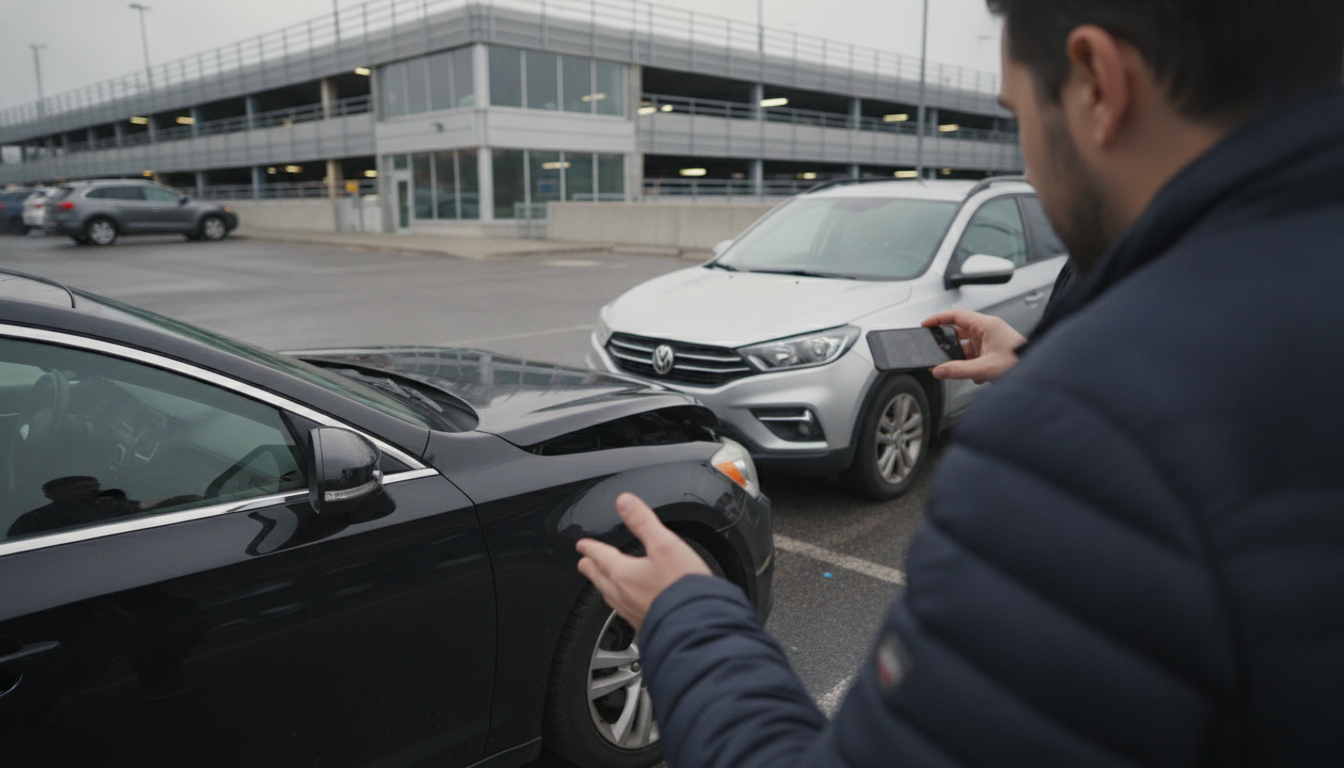
Should you admit fault in a fender bender?
In most fender benders, it’s best not to admit fault at the scene. Even if you feel responsible, you may not know the full picture—other damage, road conditions, mechanical issues, or what a witness or dashcam captured can change how responsibility is determined. A quick “Sorry, it was my fault” can be misunderstood and later treated like an admission of liability.
What to say instead
Focus on safety and facts. Check for injuries, move to a safer spot if possible, and exchange required information. When talking to the other driver or police, stick to observable details: where the cars were, what direction you were traveling, the time, weather, and any visible damage. It’s fine to be polite—just avoid statements that assign blame.
When the police are involved
If officers respond, give a clear, factual account without guessing. If you’re unsure about something (speed, exact distance, the other driver’s actions), say you’re not sure. Ask how to obtain the report number and a copy later.
Documentation matters more than debate
Take photos of both vehicles, the surrounding area, license plates, and any skid marks or debris. Get names and contact info for witnesses if there are any. These details help your insurer evaluate the claim without relying on stressful, off-the-cuff statements at the scene.
Next steps
Report the collision to your insurance company promptly and provide the facts you gathered. For a practical checklist on what to do right after a minor crash—including when to call the police—see this fender bender guide.
For After a Fender Bender: Don’t Admit Fault—Do This, the best answer depends on fit, material, care instructions, and how the product will be used day to day.
FAQ
What information should I exchange after a minor car accident?
Exchange names, phone numbers, driver’s license numbers, insurance details, vehicle info, and license plate numbers. Also note the location, time, and take photos of damage and the scene.











Leave a comment