AI for Fitness: Personalized Plans That Adapt as You Train
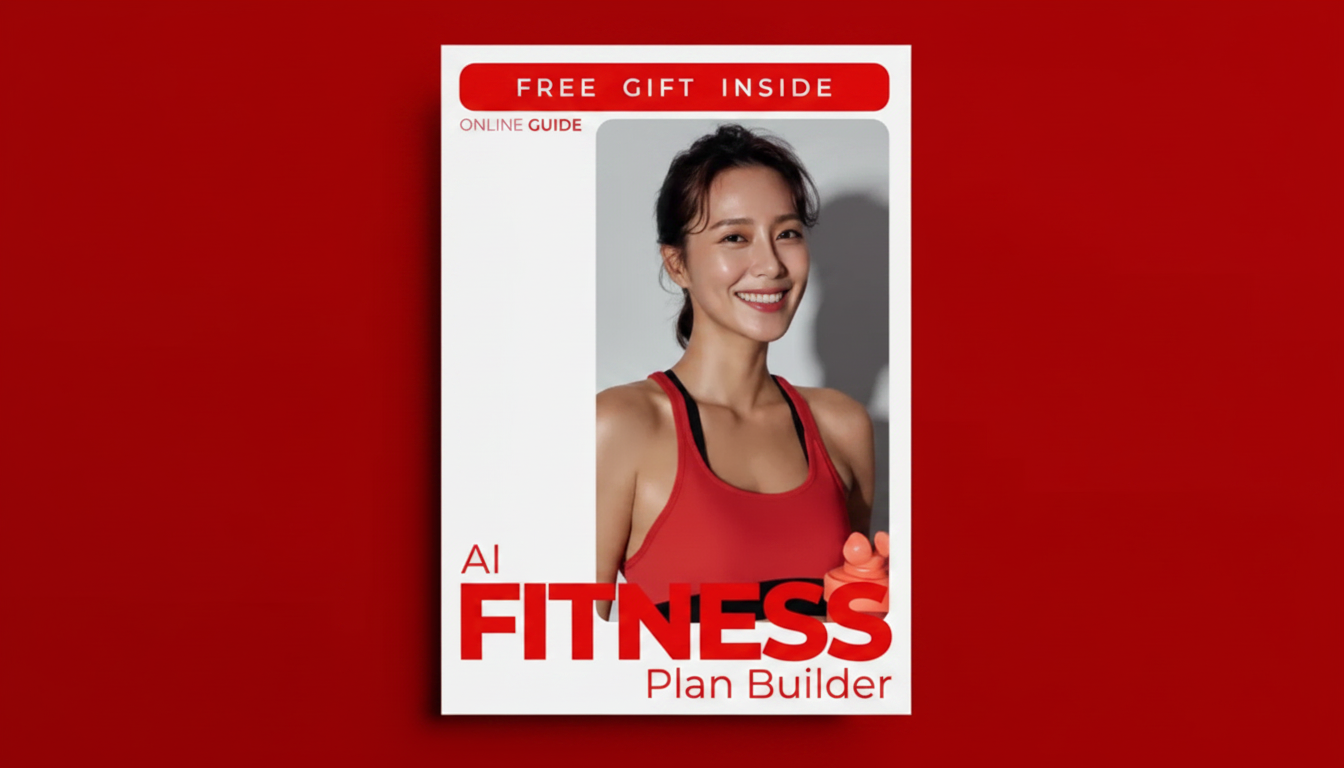
Is there an AI for fitness?
Yes—there are AI-powered fitness tools designed to create workout plans, adjust training based on progress, and help guide exercise selection. Many of these apps and platforms use data you provide (such as goals, training history, available equipment, schedule, and recovery cues) to generate routines that feel more personal than a one-size-fits-all program.
AI for fitness typically shows up in three practical ways: plan generation (building a structured program), adaptive updates (changing sets, reps, intensity, or exercise choices as you improve), and coaching support (form tips, reminders, and progress insights). Some tools also integrate with wearables to factor in sleep, heart rate trends, or readiness signals.
How AI fitness apps personalize workouts
Most AI-driven systems start with an intake: your goal (fat loss, strength, muscle gain, endurance), constraints (injury history, time limits), and preferences (exercise likes/dislikes). From there, the software picks movements, assigns training volume, and schedules sessions. As you log completed workouts—weights used, reps achieved, perceived exertion, or missed sessions—the plan can adapt, progressing when you’re ready and dialing back when fatigue builds.
This “adaptive programming” is especially useful for people whose schedules change week to week, or anyone who wants a plan that evolves without constantly rebuilding it from scratch.
What AI can (and can’t) replace
AI can streamline planning and help keep training consistent, but it’s not a full substitute for medical guidance, physical therapy, or a qualified coach in situations involving pain, complex injuries, or sport-specific technique. Treat AI as a smart training assistant: great for structure, progression, and accountability, but not a diagnosis tool.
Where to start
If you want a clear overview of how AI-generated plans work—plus what to look for in personalization and adaptability—see the full guide here: AI Fitness Plan Builder: Personalized, Adaptive Workouts.
FAQ
Can AI create a meal plan that matches my workouts?
Some AI fitness platforms can suggest nutrition targets or meal ideas based on your goal and training load, but accuracy varies. For specific medical or dietary needs, a registered dietitian is the safest option.









Leave a comment