Mind–Body Connection: Simple Practices for Better Health
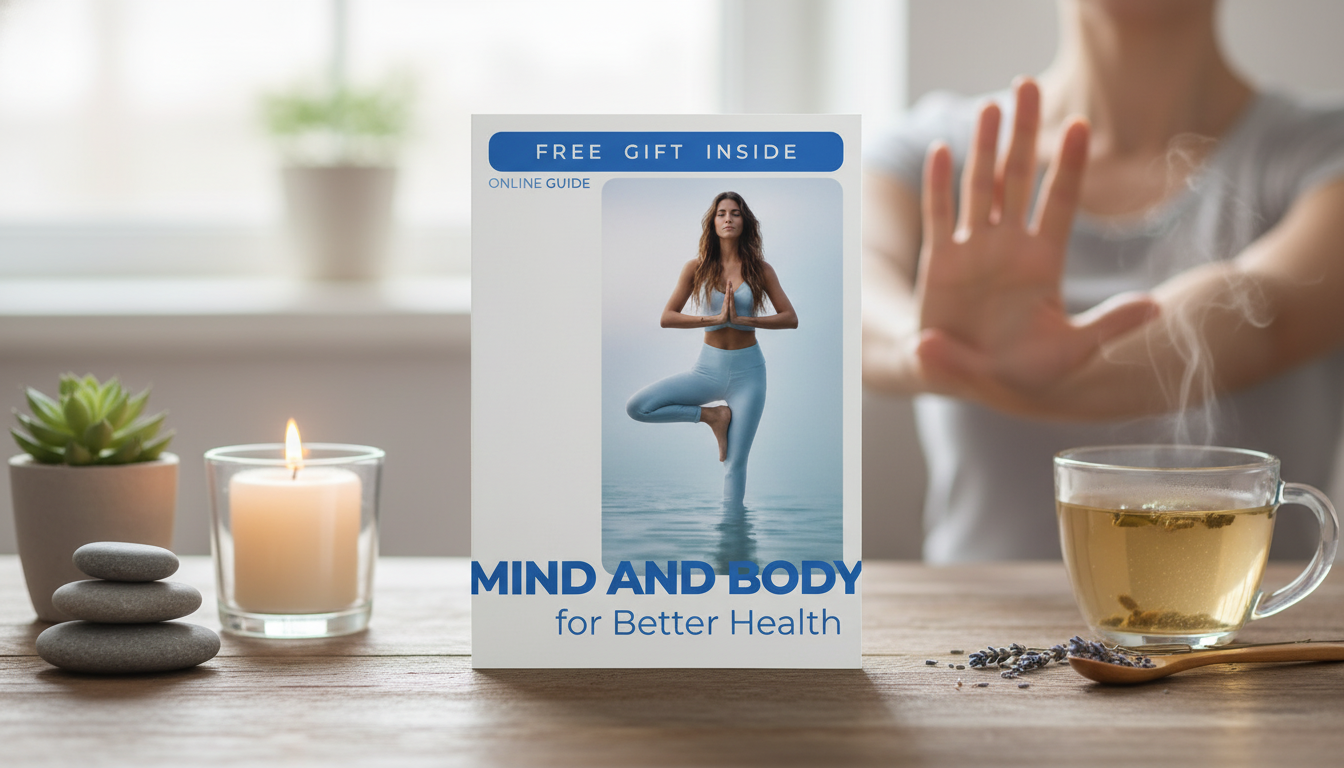
Mind and Body for Better Health: A Practical Guide to the Mind–Body Connection
Better health is often framed as nutrition, exercise, and sleep—but the mind–body connection shapes all three. Stress, attention, emotions, and beliefs can influence hormones, inflammation, pain perception, habits, and recovery. The goal isn’t to “think your way” out of real symptoms; it’s to support your nervous system so your body has an easier time doing what it’s built to do: digest, sleep, heal, and adapt.
If you want a structured, workbook-style approach, Mind and Body for Better Health – Practical Guide to the mind body connection for health, Holistic Wellness Digital Download offers a simple way to map stress patterns to daily routines and track what actually helps.
What the mind–body connection looks like in daily life
Your nervous system constantly shifts between “go mode” (sympathetic) and “restore mode” (parasympathetic). In go mode, heart rate rises, breathing gets shorter, and digestion becomes less of a priority. In restore mode, breathing slows, muscles soften, digestion improves, and sleep becomes more accessible.
Common signs the system is overloaded can be surprisingly ordinary: shallow breathing, jaw or neck tightness, digestive changes, irritability, brain fog, restless sleep, and frequent cravings. These aren’t moral failures. They’re signals that your body is trying to keep up.
Small shifts matter because brief downshifts—often just 1–5 minutes—can reduce physiological arousal enough to improve decision-making, pain tolerance, and follow-through on recovery habits. And importantly: the mind–body connection isn’t “all in the head.” Physical symptoms can be completely real while still being influenced by stress, attention, and emotional load.
Start with foundations: sleep, movement, nourishment, and sunlight
Mind–body practices work best when they sit on a stable baseline. If your basics are shaky, start here and keep it simple.
Sleep
Aim for a consistent wake time most days. Reduce bright light at night (especially overhead lighting), and build a 10-minute wind-down: dim lights, do slower breathing, and add a gentle stretch. Consistency beats intensity.
Movement
On stressful days, choose the “minimum effective dose”: 10–20 minutes of walking, mobility, or light strength. This keeps you resilient without stacking more stress on top of stress.
Nourishment
Prioritize protein + fiber at your first meal to stabilize energy and reduce stress-driven snacking later. Think eggs and fruit, Greek yogurt and berries, or tofu scramble with vegetables—simple, repeatable options.
Sunlight and outdoors
Morning light exposure helps support circadian rhythm, mood, and nighttime sleep quality. Even 5–10 minutes outside shortly after waking can help.
Hydration + caffeine timing
Drink water early. If sleep is fragile, keep caffeine earlier in the day and avoid “late rescue” coffee that steals from tonight’s recovery.
Quick practices that calm the nervous system (2–10 minutes)
These are low-friction tools you can use between meetings, after stressful messages, or as part of a bedtime routine. For more detail on how breath control quiets the stress response, Harvard Health Publishing provides a helpful overview: Relaxation techniques: Breath control helps quell errant stress response.
| Practice | Time needed | Best for | Simple way to start |
|---|---|---|---|
| Long-exhale breathing | 2–5 min | Rapid stress relief, anxiety spikes | Inhale through nose 4; exhale 6–8; repeat for 10 cycles |
| Box breathing | 3–6 min | Focus, pre-meeting calm | 4 in, hold 4, 4 out, hold 4; repeat 4–6 rounds |
| Body scan | 5–10 min | Tension awareness, sleep routine | Move attention head-to-toe; soften one area at a time |
| Progressive relaxation | 5–10 min | Muscle tightness, headache-prone days | Tense 5 seconds, release 10 seconds; work through major muscle groups |
| Gentle mobility flow | 5–10 min | Stiffness, mood lift | Neck/shoulder rolls, cat-cow, hip openers; slow pace with calm breathing |
Emotions, thoughts, and the body: practical reframes that reduce strain
The body responds not only to events, but to your interpretation of events—especially when the same stressor repeats daily. The American Psychological Association summarizes how stress can affect multiple body systems here: Stress effects on the body.
Building a simple weekly routine that sticks
If training recovery is a recurring challenge, Rest Days That Actually Work – Fitness Recovery Guide, Smart Rest Day Planning, Workout Recovery eBook, Active Recovery & Training Balance Digital Download can help you choose rest strategies that match your stress and sleep, not just your workout calendar.
When to get extra support
A guided way to put it all together
For a step-by-step template you can revisit whenever life gets hectic, Mind and Body for Better Health – Practical Guide to the mind body connection for health, Holistic Wellness Digital Download is designed to be quick to use, even on low-motivation days.
FAQ
How quickly can mind–body practices improve health?
You can often feel immediate effects like slower breathing, lower muscle tension, and a calmer mood within minutes. Longer-term changes—sleep quality, blood pressure trends, pain coping, and habit consistency—typically build over weeks with small daily practice.
Do I need meditation experience for mind–body benefits?
No—breathing drills, walking outdoors, progressive muscle relaxation, and short body scans all count. Start with 2–5 minutes and treat “showing up” as the win; skill and comfort increase naturally with repetition.
What should I do if mindfulness makes me feel worse?
Try eyes-open grounding, shorter sessions, or movement-based practices like a gentle mobility flow instead of stillness. If you feel consistently activated or overwhelmed, consider working with a trauma-informed therapist or coach and go at a pace that feels safe.











Leave a comment