AI Diet Planning Made Simple: Personalized Weekly Meals
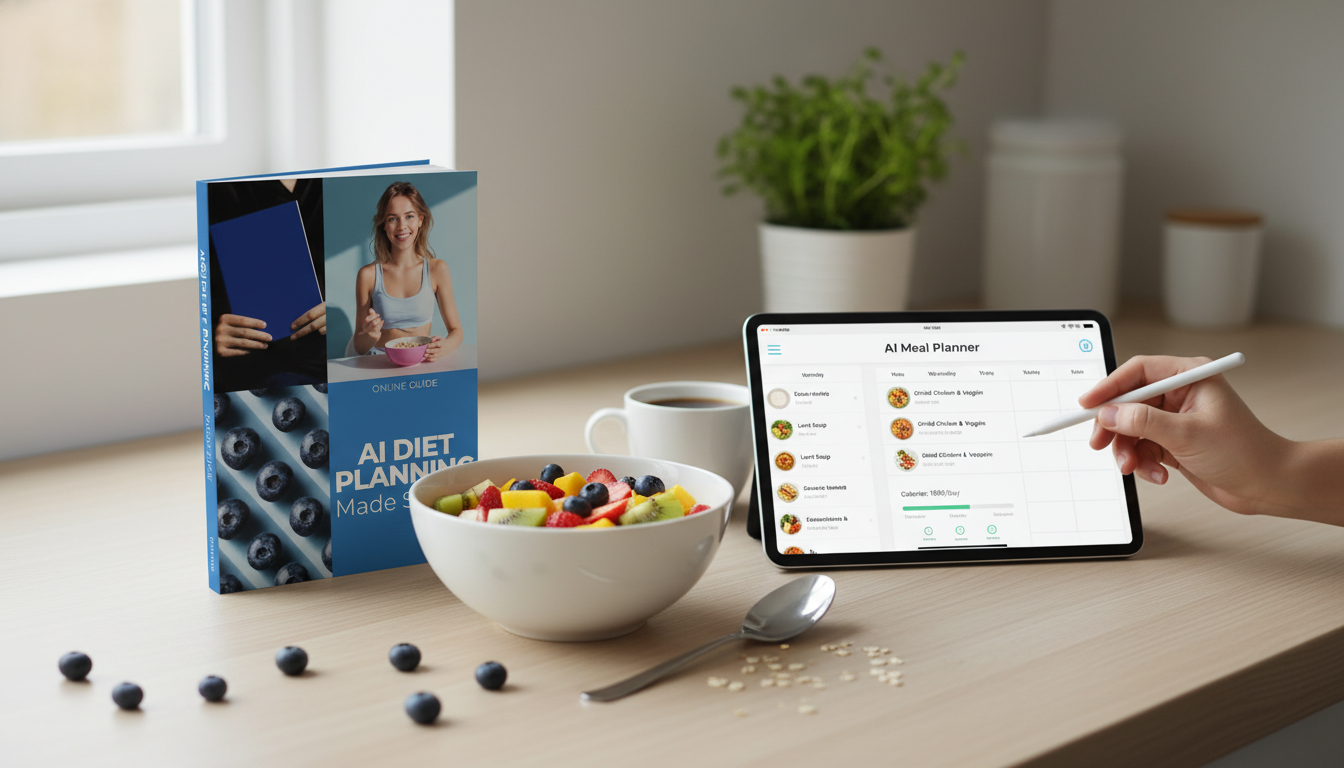
AI Diet Planning Made Simple: Smart Nutrition Guide for Personalized Meal Planning
Personalized meal planning gets easier when an AI diet planner helps turn your goals, preferences, and constraints into practical weekly meals. Instead of starting from scratch every Sunday, you can use AI to generate a repeatable structure, build a grocery list, and adjust portions over time based on real results. The key is setting clear inputs, keeping meals realistic, and doing a few quick accuracy checks so the plan stays safe, affordable, and doable.
What an AI Diet Planner Does (and What It Doesn’t)
An AI diet planner is best used as a planning assistant: it can create meal ideas and weekly menus based on your goal (fat loss, muscle gain, maintenance), your dietary pattern (Mediterranean, high-protein, plant-forward), and your constraints (budget, time, allergies). Many tools also estimate calories and macros, suggest portions, and offer swaps—like changing chicken thighs to chicken breast or switching rice to potatoes—so you can stay closer to your targets.
Where AI shines is reducing decision fatigue. Instead of constantly hunting for new recipes, it can generate simple templates you can repeat: a breakfast rotation, mix-and-match lunches, and dinner frameworks that use the same core ingredients. What it cannot do is replace medical care. If you have diabetes, kidney disease, are pregnant, have a history of eating disorders, or have severe food allergies, use clinician oversight and treat AI outputs as suggestions—not instructions.
A Simple Setup for Better Recommendations
AI results are only as useful as the guardrails you provide. Before you ask for a full week of meals, define your outcome (energy, performance, weight change, digestion comfort, or consistency). Then add your boundaries: dietary restrictions, foods you dislike, cultural preferences, and what equipment you actually have (microwave only? air fryer? full kitchen?).
Include lifestyle details that affect compliance: your activity level, schedule, meals per day, and how often meals must be portable. Finally, pick a realism level—maximum cook time per meal, how many leftover nights you want, and a weekly grocery budget range. When those details are clear, you get plans that look like your life, not an idealized version of it.
Quick inputs that improve meal plans
| Input | Example | Why it matters |
|---|---|---|
| Goal + timeline | Lose 0.5 lb/week for 8 weeks | Prevents overly aggressive calorie targets |
| Protein target | 120 g/day | Improves satiety and supports muscle |
| Cooking time limit | 15 minutes on weekdays | Keeps the plan doable |
| Food rules | No dairy; low spice | Reduces waste and frustration |
| Budget | $70/week | Guides ingredient choices and repetition |
Building a Personalized Weekly Plan in 15 Minutes
Start by choosing a simple weekly structure: 2–3 breakfasts you’ll repeat, 2 lunch options, and 3–4 dinners with planned leftovers. Then request meals that reuse ingredients to cut cost and prep time (think chicken, rice, frozen vegetables, canned beans, tortillas, eggs, bagged salad). This “ingredient overlap” approach is often the difference between a plan you follow and a plan you abandon by Wednesday.
Next, prioritize protein and fiber at each meal, then fill in carbs and fats based on training and preference. If you lift or do higher-intensity workouts, carbs around training can help performance; if you’re more sedentary, you may prefer slightly higher fats and moderate carbs. Ask the AI to generate a grocery list grouped by store section and a short prep checklist (wash/chop/cook once). Finally, add 1–2 “flex meals” for social events or takeout, with portion guidelines so one dinner out doesn’t turn into three days off-track.
Smart Nutrition Basics the Plan Should Respect
A workable plan doesn’t need to be perfect, but it should respect basics supported by public health guidance. The Dietary Guidelines for Americans emphasize nutrient-dense foods across food groups, while practical tracking often comes down to a few levers:
- Protein: Distribute it across meals. Use lean meats, fish, eggs, legumes, tofu, or dairy-free alternatives if tolerated.
- Fiber: Aim for produce, beans, whole grains, and nuts/seeds. Increase gradually and hydrate to avoid GI upset.
- Micronutrients: Build “color variety” (leafy greens, orange/red vegetables, berries) and include calcium and iron sources that fit your diet.
- Hydration: Pair a water target with habits (one glass on waking, one per meal, one per workout).
- Sodium and added sugars: Pay attention if blood pressure or cardiometabolic risk is a concern; the CDC’s healthy weight resources offer practical context.
Customizing for Common Goals
Fat loss
Muscle gain
Better energy
Digestive comfort
Plant-forward eating
Accuracy Checks: Keeping AI Suggestions Safe and Practical
AI meal plans are a starting point, not a guarantee. Verify portions using labels, measuring tools, or a trusted database such as USDA FoodData Central, because estimates can drift—especially with oils, sauces, “handful” measures, and restaurant-style servings.
A 7-Day Template You Can Reuse
Turning Meal Plans Into a Routine That Sticks
Recommended Digital Guides
- AI Diet Planning Made Simple – Smart Nutrition Guide Using an ai diet planner for Personalized Meal Planning
- Rest Days That actually Work – Fitness Recovery Guide
FAQ
How accurate are AI meal plans for calories and macros?
They’re approximations, and accuracy depends on portion sizes, brand differences, and cooking methods. Verify key items with labels or a food database, then adjust based on outcomes like hunger, energy, and weight trend over 2–3 weeks.
Can an AI diet planner work with allergies or medical conditions?
It can help filter preferences and avoid listed ingredients, but medical nutrition therapy and severe allergies should be managed with clinician guidance. Use strict guardrails and double-check ingredients, labels, and cross-contact risks.
What should be tracked for personalized results without obsessing?
A light approach works well: hit a daily protein target, aim for a few produce servings, keep hydration consistent, and use one weekly check-in metric like weight trend, waist measurement, training performance, or overall energy.










Leave a comment