Lose Belly Fat: 14-Day Flat-Belly Plan That Works
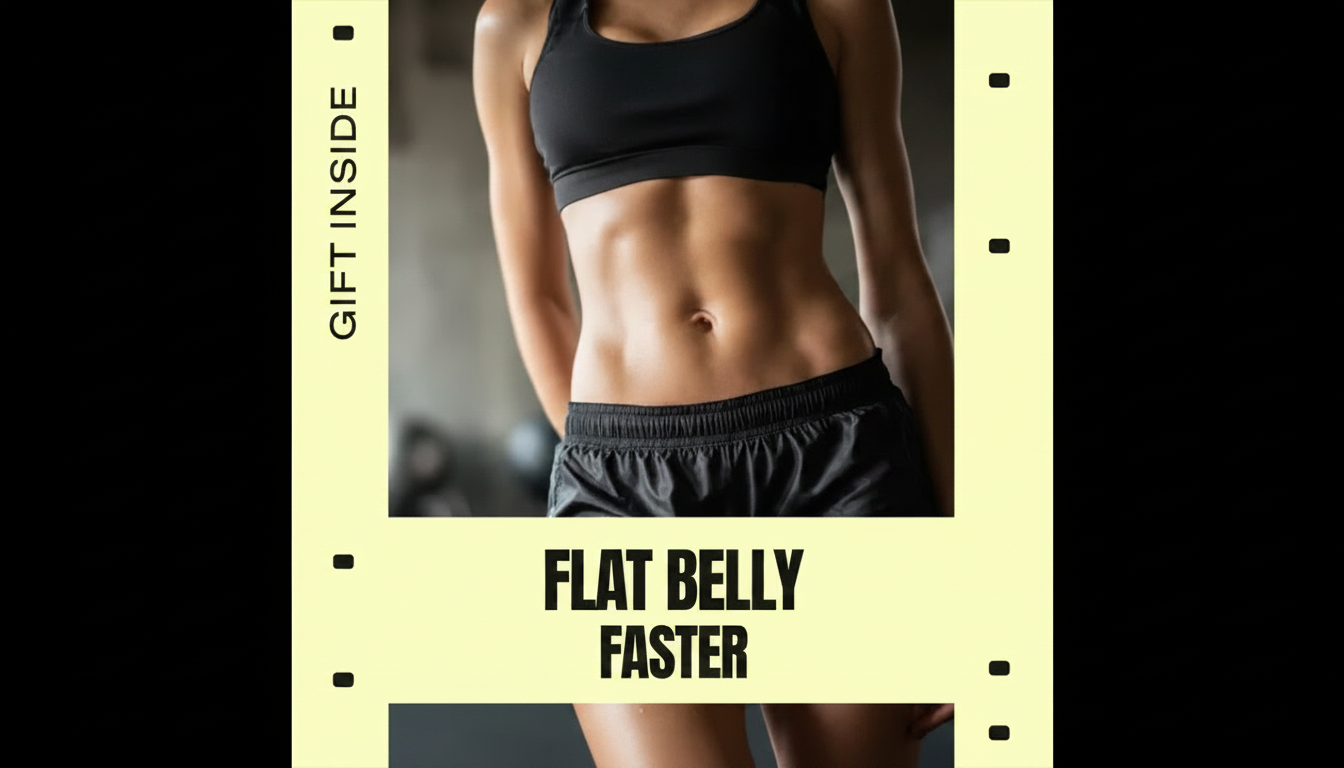
Flat Belly Faster: A Practical, Science-Based Path to Losing Belly Fat
Belly fat changes when daily habits change: a consistent calorie deficit, higher-protein meals, strength training, and enough sleep to support appetite control and recovery. The goal isn’t perfection—it’s a repeatable routine that steadily lowers overall body fat so your waistline follows. If you want a structured, no-drama plan you can actually stick with, the digital guide Flat Belly Faster – A Simple, Science-Based Guide for How to Lose Belly Fat Fast, Smart Nutrition, Easy Workouts & Real-Life Results can be a handy companion for meal ideas, workout templates, and tracking.
What Actually Drives Belly Fat Loss
“Belly fat loss” is really body fat loss—your body decides where it comes off first and last. For many people, the waist noticeably tightens once overall body fat drops and inflammation/water retention calm down.
- Spot reduction isn’t reliable. Crunches can strengthen your core, but they won’t selectively burn belly fat.
- A consistent calorie deficit is the main driver. Food choices and training determine how manageable that deficit feels day to day.
- Strength training protects muscle. Keeping more lean mass helps your midsection look firmer as scale weight decreases.
- Daily movement adds up. Steps, errands, and short walks can significantly increase energy burn without crushing fatigue.
- Sleep and stress affect appetite. Poor sleep often increases hunger and cravings, making the deficit harder to maintain.
For safe, evidence-based weight-loss basics, see the NIH/NIDDK guidance on choosing a successful weight-loss program.
Smart Nutrition That Shrinks the Waistline (Without Complicated Rules)
Instead of strict rules, use a few “high-impact defaults” that quietly reduce calories while keeping you full.
- Build each meal around protein. Aim for roughly 25–40 g per meal (adjust by body size and preference). Protein supports fullness and helps preserve muscle.
- Choose high-volume foods. Vegetables, fruit, soups, legumes, and lean proteins give more food per calorie.
- Use the plate method. Fill half your plate with non-starchy vegetables, one quarter with protein, and one quarter with carbs or starchy veggies; add a thumb of healthy fats if needed.
- Reduce liquid calories. Sugary drinks, sweetened coffee, and frequent alcohol can erase a deficit quickly.
- Keep carbs—place them strategically. If evening snacking is an issue, put more carbs earlier in the day or around workouts.
- Create a snack rule. Pick protein + fiber (Greek yogurt + berries, apple + cottage cheese) instead of ultra-processed snacks.
Simple meal-building examples
| Meal | Protein base | Fiber/volume add-ons | Carb option | Flavor booster |
|---|---|---|---|---|
| Breakfast | Eggs or Greek yogurt | Spinach, berries | Oats or whole-grain toast | Cinnamon, salsa, herbs |
| Lunch | Chicken, tuna, tofu | Big salad, chopped veggies | Rice, potatoes, beans | Vinaigrette, hot sauce |
| Dinner | Lean meat, fish, tempeh | Roasted vegetables, soup | Quinoa, pasta portion, sweet potato | Lemon, garlic, spices |
For additional nutrition and activity guidelines, the CDC Healthy Weight resources offer practical recommendations that align well with a waist-focused fat-loss plan.
Easy Workouts That Work: Strength + Low-Impact Cardio
The best workout plan for belly fat is the one that’s consistent and progressive. Two pillars cover most of what you need: full-body strength training and low-impact cardio.
- Strength train 2–4 days per week. Full-body sessions train more muscle in less time and support a tighter look as fat comes off.
- Keep the exercise menu simple. Squat pattern, hinge pattern, push, pull, and core stability. Repeating basics builds skill and makes progression straightforward.
- Use “talk-test” cardio 2–4 times weekly. Brisk walking, cycling, or incline treadmill where you can still speak in sentences.
- Progress gradually. Add a little weight, a few reps, or an extra set week to week.
- Core work complements fat loss. A stronger core improves posture and stability, but it doesn’t replace the calorie deficit.
If you like aligning training with established recommendations, the American College of Sports Medicine (ACSM) physical activity guidelines are a reliable benchmark.
The 14-Day Kickoff Plan (Repeatable and Busy-Schedule Friendly)
Two weeks is long enough to build momentum and short enough to feel doable. For the next 14 days, focus on three targets: protein at each meal, higher daily steps, and six total workouts (3 strength, 3 cardio).
To support adherence, keep your setup friction-free: pre-pack a gym bag, keep walking shoes by the door, and simplify laundry and equipment upkeep with Train Smarter and Make Your Gear Last – Sports Gear Care Guide, Digital Download eBook & Checklist for Athletes.
Core Training That Supports a Flatter Look
Real-Life Results: Plateaus, Cravings, and “Bloating vs. Fat”
A Simple Guide to Keep Going After the First Two Weeks
FAQ
How long does it take to lose belly fat noticeably?
Many people notice waist changes within about 2–6 weeks when they maintain a consistent calorie deficit, lift weights, and keep steps up. Starting body fat, sleep, stress, and adherence can speed up or slow down results, so track waist measurements and progress photos for a clearer picture.
What foods are most helpful for reducing belly fat?
Protein-rich foods (lean meats, fish, eggs, Greek yogurt, tofu) plus high-fiber carbs (beans, oats, fruit, vegetables) help control hunger while supporting training. Minimizing sugary drinks and frequent alcohol makes it easier to maintain a deficit; a simple template is protein + colorful produce + a measured carb portion.
Are ab workouts enough to flatten the stomach?
No—overall fat loss drives the biggest change in stomach size, and ab workouts can’t spot-reduce fat. Core training improves strength and posture, so it works best alongside protein-forward meals, strength training, and regular walking.











Leave a comment