Dress With Confidence: Fit, Style Rules & Easy Outfits
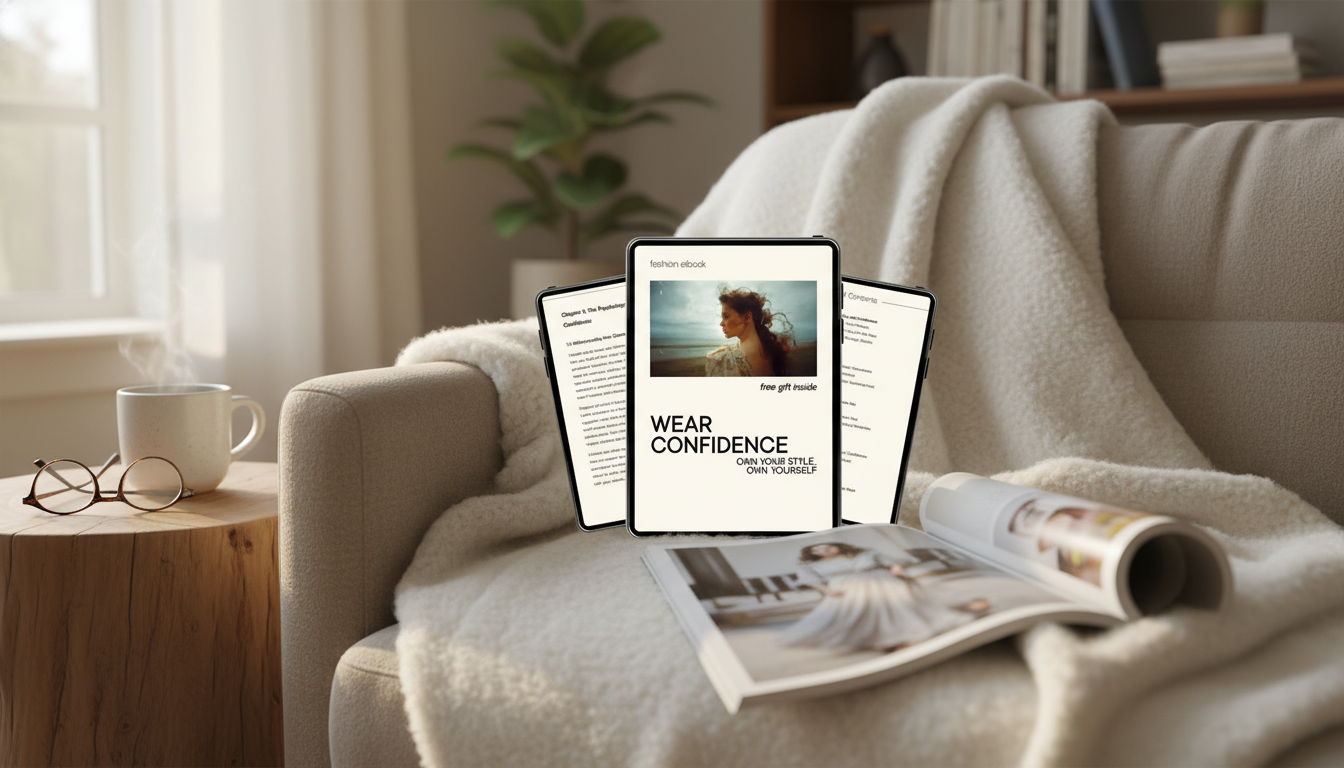
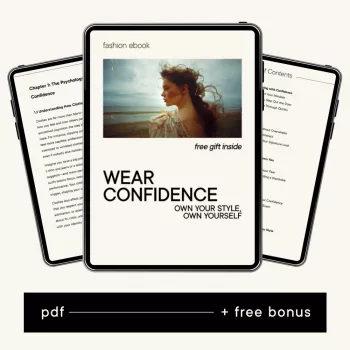
Wear Confidence: Own Your Style, Own Yourself
Feeling confident in your clothes is less about having a perfect body or an expensive wardrobe and more about creating alignment between how you look, how you move, and how you want to be seen. Confidence builds when outfits fit well, reflect personal values, and support real life—work, errands, events, and rest. The goal is a closet that makes getting dressed feel simple, intentional, and true to you.
What “confidence” in clothing actually means
“Confidence” isn’t a single look—it’s a set of signals your outfit sends to you first. When those signals are supportive, you stop monitoring your clothes and start showing up.
- Comfort without self-consciousness: nothing pinches, rides up, gapes, or requires constant adjusting.
- Coherence: colors, shapes, and details feel like they belong together and belong to you.
- Situational fit: the outfit matches the setting, climate, and activity so attention stays on the moment, not the outfit.
- Self-trust: choosing pieces because they feel right, not because they mimic someone else’s look.
- Repeatability: confidence increases when go-to combinations are easy to recreate with small variations.
There’s also a real mindset component. Research on “enclothed cognition” suggests what you wear can influence attention and performance through the meanings you associate with clothing (Adam & Galinsky, PNAS). And when clothing supports your self-image—rather than fighting it—you reduce the daily friction that can chip away at self-esteem (American Psychological Association).
Start with fit: the fastest route to looking put-together
If you want the biggest payoff with the least effort, start here. Fit is the difference between “I’m wearing clothes” and “this outfit works.”
- Prioritize shoulder fit in tops and jackets; alterations are harder when shoulders are off.
- Check rise and waistband comfort in bottoms; a stable waistband prevents constant tugging.
- Use the “sit, reach, walk” test: sit comfortably, lift arms, take long steps.
- Match fabric to your day: structured fabrics for polish; knits and blends for movement and ease.
- Tailoring is a confidence multiplier: hemming pants, adjusting waists, and refining sleeves can turn “fine” into “favorite.”
Quick fit checks that prevent outfit anxiety
| Item | Check | Confidence cue |
|---|---|---|
| Top/Jacket | Shoulder seam sits at the shoulder bone | Looks intentional and sharp from every angle |
| Pants/Jeans | Waist stays in place when walking and sitting | No adjusting; posture improves naturally |
| Dress | No pulling at hips or bust when moving | Movement feels fluid and relaxed |
| Shoes | Heel stays put; toes not compressed | Strides feel steady; less fatigue |
Build a personal style “north star” in 10 minutes
Confidence rises when your closet follows a clear internal logic. A “north star” is a simple set of rules that keeps you from impulse-buying pieces that don’t feel like you later.
- Pick three style words that describe how you want to feel (example: “clean, strong, playful”).
- Identify one silhouette you love (straight-leg, wrap, oversized, fitted, A-line) and one you avoid for now.
- Choose a base palette of 2–3 neutrals plus 2 accents; repeating them makes outfits effortless.
- Decide on one signature detail (gold hoops, leather belt, crisp white sneaker, patterned scarf).
- Filter purchases: if it doesn’t match at least two style words, leave it.
Outfit formulas that work on low-energy days
Some mornings call for a plan, not a brainstorm. Outfit formulas reduce decision fatigue while still feeling like “you,” not a uniform.
- Formula 1: matching set + one structured layer (blazer, denim jacket, trench) + simple jewelry.
- Formula 2: fitted top + relaxed bottom + defined waist (tuck, belt, cropped jacket).
- Formula 3: monochrome look + texture contrast (knit + denim, silk + wool, cotton + leather).
- Formula 4: dress + third piece (cardigan, overshirt, scarf) + comfortable shoes.
Keep 3 “grab-and-go” combinations saved in a phone album. When your energy is low, you’ll still dress from a place of self-trust.
Use color, proportion, and texture to feel more like yourself
You don’t need more clothing—just better levers. These three are quick to apply and easy to repeat.
- Color: wear your best shades near the face (top, scarf, earrings) for an immediate lift.
- Proportion: balance volume—if one piece is oversized, keep the other more streamlined.
- Texture: add one tactile element (rib knit, suede, linen, denim) to make simple outfits look styled.
- Contrast: a small contrast (sleek shoe with relaxed jeans) reads intentional without trying hard.
- Repeat a winning ratio: long-over-long (coat + trousers) or short-over-long (cropped jacket + high-waist pants).
Confidence habits: how to stop second-guessing your outfit
Clothing confidence isn’t only about buying; it’s also about how you finish, maintain, and mentally “close the loop” before you leave.
A simple way to upgrade your wardrobe without starting over
Wear Confidence: a practical reset for getting dressed
- Wear Confidence: Own Your Style, Own Yourself – How to Feel Confident in Your Clothes (digital download)
FAQ
How can clothing make someone feel more confident?
When clothes fit well and feel comfortable, you’re less likely to fidget or self-monitor, which frees up attention and improves presence. Clothing can also reinforce identity through positive associations, helping you act more like the version of yourself you want to embody.
What should be worn when nothing feels flattering?
Use a fallback formula: a comfortable base (that passes the sit-reach-walk test), one structured layer (like a blazer or denim jacket), supportive shoes, and a color you love near your face. Avoid pieces you have to keep adjusting—comfort reads as confidence.
How can personal style be found without buying a whole new wardrobe?
Choose three style words, narrow your color palette, and take photos of outfits you actually enjoyed wearing so you can repeat what works. Then upgrade gradually with high-repeat pieces (like jeans, shoes, and a versatile layer) and consider tailoring to make current items feel custom.











Leave a comment