30-Day Financial Checklist for New Parents After Birth

What should be on a financial checklist for new parents in the first 30 days after a baby is born?
The first month home is a blur of feedings, sleep schedules, and paperwork. A simple financial checklist helps make sure the biggest deadlines don’t slip: insurance enrollment windows, payroll changes, and updates that protect your child if something happens to you.
1) Add your baby to health insurance
Most employer plans require enrollment within 30 days of birth. Confirm the deadline, submit the required documents, and verify the baby’s member ID once processed. If you’re choosing between plans, compare premiums, pediatric networks, and out-of-pocket maximums based on expected visits.
2) Review leave pay, payroll, and benefits
Double-check how parental leave is paid (company pay, state benefits, PTO, unpaid) and when payments start. Update direct deposit if needed, confirm deductions, and adjust benefits like dependent care accounts if applicable.
3) Order the birth certificate and request a Social Security number
These documents unlock important next steps like insurance claims, taxes, and account setup. Track what you’ve requested through the hospital or county so you can follow up quickly if anything stalls.
4) Update your budget for the “new normal”
In the first 30 days, focus on recurring essentials: diapers, wipes, formula or pumping supplies, copays, and delivery-related medical bills. Set up a dedicated baby category and a small monthly buffer for surprises like urgent care visits or replacement gear.
5) Update beneficiaries and create guardianship plans
Check beneficiaries on life insurance, retirement accounts, and bank accounts. Then schedule (or start) basic estate planning: a will, guardianship designation, and instructions that reduce uncertainty for your family.
6) Revisit life and disability coverage
Parenthood changes the math. Price term life insurance for both parents and confirm disability coverage amounts and waiting periods. Aim for coverage that keeps housing and essentials stable if income is interrupted.
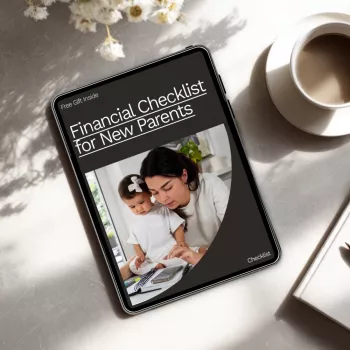
For a deeper, step-by-step checklist covering budgeting, insurance, and leave, visit this new parent financial checklist guide.
FAQ
How do you claim a newborn as a dependent on taxes?
Once your baby has a Social Security number, you can claim them as a dependent for the year they were born. Keep documentation handy and confirm eligibility for credits like the Child Tax Credit when you file.















Leave a comment