Oval Dining Tables: Pros, Fit, and Layout Tips
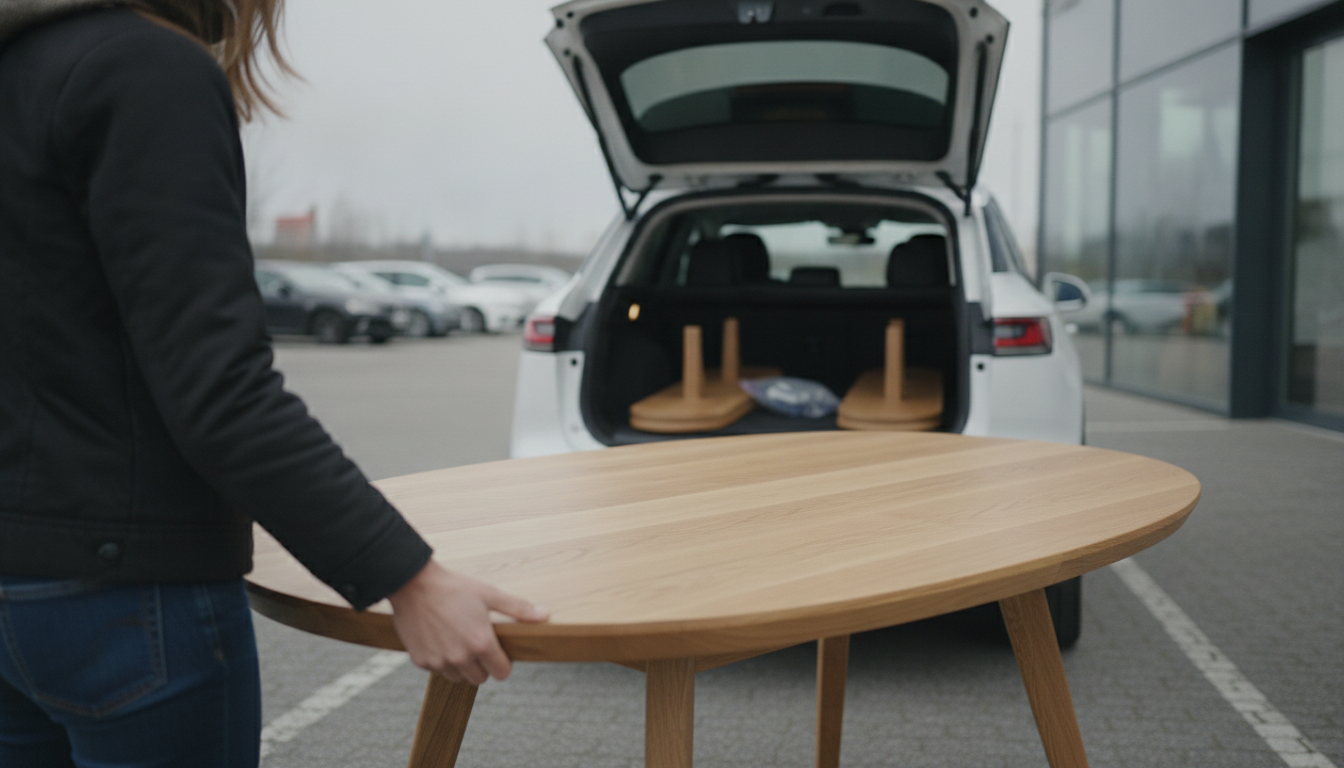
Is an oval a good shape for a dining table?
Yes—an oval dining table is often an excellent choice because it combines the easy traffic flow of a round table with the surface area of a rectangle. With no sharp corners, it feels visually lighter in a room and is usually more comfortable to walk around, especially in tighter layouts or open-plan spaces where pathways matter.
Why oval tables work so well for everyday dining
The biggest advantage is flexibility. An oval top naturally softens the look of a dining area while still seating a group efficiently. People can slide into position more easily along the curved ends, which can make conversation feel more inclusive than a long rectangular table where guests are spread far apart.
Better for narrow rooms and high-traffic areas
Oval tables can be a smart fix for long, narrow dining spaces. The rounded ends reduce “bump points,” so passing by the table feels smoother than with a square-cornered top. If your dining area doubles as a walkway to a kitchen, patio door, or living room, those gentle curves can make the whole room feel less cramped.
Consider your base style and seating needs
The base matters as much as the top. Pedestal and trestle bases typically provide more legroom and make it easier to add an extra chair when needed. If regular hosting is a priority, an oval table can also be a great candidate for extension leaves, giving you everyday comfort with occasional extra capacity.
For sizing, layout tips, and styling ideas, see the complete guide here: modern oval wood dining table sizing and styling guide.
For Oval Dining Tables: Pros, Fit, and Layout Tips, the best answer depends on fit, material, care instructions, and how the product will be used day to day.
FAQ
Do oval dining tables need a rug?
A rug isn’t required, but it helps anchor the dining set and protects flooring. Choose one large enough that chairs stay on the rug when pulled out, which typically means extending beyond the table edges by about 24 inches.








Leave a comment