Garden Privacy Ideas: Natural Screens, Plants & Planning
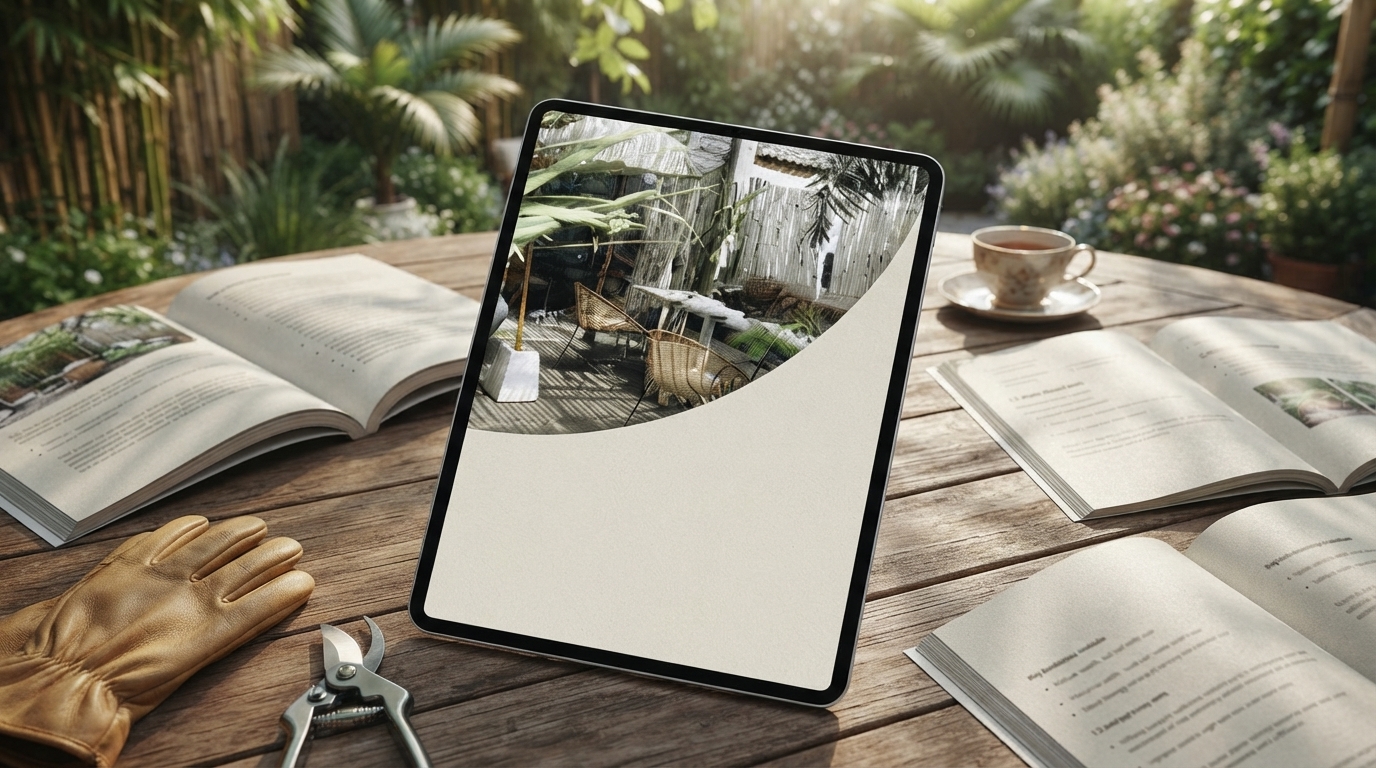
Nature’s Shield: Stylish Garden Privacy With Plants, Natural Screens, and Smart Planning
Garden privacy feels effortless when it’s designed into the landscape instead of patched in later. The most comfortable outdoor spaces balance screening with airflow, light, and year-round structure—using plants, layered layouts, and a plan that matches your site’s sun, soil, and local rules. With a clear goal and a few design moves, privacy can look like a natural part of the garden rather than a defensive barrier.
Start With the Privacy Goal and the View Lines
Before choosing plants or panels, clarify what needs to be screened and from where. Privacy works best when it’s targeted, not blanket coverage that darkens the yard or blocks the views you actually enjoy.
- Define what needs screening: street view, neighbor windows, patio seating, a hot tub area, or a play space.
- Measure sight lines from common viewing heights: standing (about 5–6 ft) and seated (about 3–4 ft).
- Map “privacy zones” and “keep-open zones” so you don’t sacrifice daylight or the best angles of the garden.
- Decide whether the screen should be solid, filtered, seasonal, or movable.
- Note wind exposure and drainage so privacy elements don’t turn into ongoing repairs or storm damage.
A quick way to visualize sight lines is to place stakes (or even a tall piece of cardboard) where a screen might go, then walk the yard—especially along patios, kitchen windows, and neighboring second-story views.
Layered Plant Privacy That Looks Intentional
Plant-based privacy looks most natural when it’s layered. Instead of relying on a single hedge line, use multiple heights and textures so the screening reads as a garden border, not a wall.
- Use a three-layer approach: canopy (small trees), mid-layer (shrubs), and low layer (grasses/perennials) to eliminate gaps.
- Stagger plantings in a zigzag rather than a single line for better coverage and a softer look.
- Mix evergreen structure with flowering or deciduous plants for seasonal interest without giving up winter privacy.
- Plan for mature width; crowded hedges often thin out or become leggy, reducing screening over time.
- Add “foreground texture” (ornamental grasses, ferns, low shrubs) to make tall screens feel designed, not defensive.
Plant-Based Screening Options at a Glance
| Screen Type | Best For | Pros | Watch Outs | Typical Time to Privacy |
|---|---|---|---|---|
| Evergreen hedge | Year-round boundary screening | Consistent cover, tidy look | Needs spacing, pruning plan, disease-resistant varieties | 2–5 seasons |
| Clumping bamboo (non-running) | Fast vertical screen in tight spaces | Rapid density, modern look | Confirm clumping habit; irrigation often needed | 1–3 seasons |
| Mixed shrub border | Naturalistic, wildlife-friendly privacy | Better resilience, seasonal interest | More planning to avoid gaps and mismatched heights | 2–4 seasons |
| Trellis with vines | Patio corners, small yards, balconies | Slim footprint, flexible design | Support must be sturdy; some vines can be aggressive | 1–2 seasons |
| Small ornamental trees | Blocking upper-window views | Elevated screening without closing the yard | Choose roots and canopy size appropriate for structures | 2–6 seasons |
Natural Screens Beyond Plants: Texture, Height, and Sound
Plants are the long game, but hardscape and portable elements can close gaps immediately and make a privacy plan feel finished while greenery fills in.
- Combine living screens with accents like slatted panels, pergolas, or lattice to cover awkward angles while plants mature.
- Use tall planters to raise the starting height of screening on patios and decks, especially for seated sight lines.
- Add a sound-softening layer with fountains or rustling grasses where noise is part of the privacy problem.
- Create visual privacy with lighting: downlights and warm pathway lighting reduce silhouettes and improve comfort at night.
- Choose materials and colors that echo the garden palette so boundaries feel integrated, not bolted on.
One of the most effective “invisible upgrades” is controlling what’s highlighted after dark: softer, lower lighting keeps attention on paths and planting rather than backlighting people on the patio.
Smart Planning With AI Tools (Without Losing the Human Touch)
- Build a simple site inventory: sun hours, wind direction, soil type, irrigation access, and existing trees.
- Use planning tools to test layouts: simulate sight lines, compare spacing at maturity, and explore seasonal looks.
- Create a plant list matched to climate zone and microclimates (shady corners, heat-reflecting walls, wet spots). The USDA Plant Hardiness Zone Map is a practical starting point.
- Sanity-check any suggested species for invasiveness, water needs, and local nursery availability. The USDA National Invasive Species Information Center is a helpful reference.
- Turn the plan into phases: quick wins now (planters, trellis, fast growers) and long-term structure (shrubs, trees).
For hedges, maintenance expectations matter as much as plant choice. If you want a clean, formal line, pick species that respond well to pruning and commit to a schedule; hedge guidance like the Royal Horticultural Society’s overview can help set expectations (RHS — Hedges).
How to Choose a Privacy Strategy That Fits the Yard
Design Details That Make Privacy Look Stylish
Installation and Upkeep: Keep Screens Full, Healthy, and Neighbor-Friendly
FAQ
What plants provide privacy quickly without becoming a long-term problem?
Fast privacy is usually best achieved by combining a quick filler with longer-lived, well-spaced evergreens or shrubs that won’t outgrow the space. Confirm the plant’s mature size, water needs, and whether it’s considered invasive in your area before committing.
How can privacy be added on a patio or deck without blocking all the light?
Use partial, corner-focused screening such as slatted panels, a trellis with vines, or tall planters with upright plants, keeping the centerline lower and more open. This approach blocks key sight lines while preserving daylight and airflow.
How far apart should privacy shrubs be planted?
Space shrubs based on mature width and the density you want, often around half to three-quarters of the mature spread for a full screen. Overcrowding can reduce airflow and long-term fullness, so check the specific spacing guidance for each species.










Leave a comment