Mindful Driving: Calm Commutes, Meaningful Road Trips
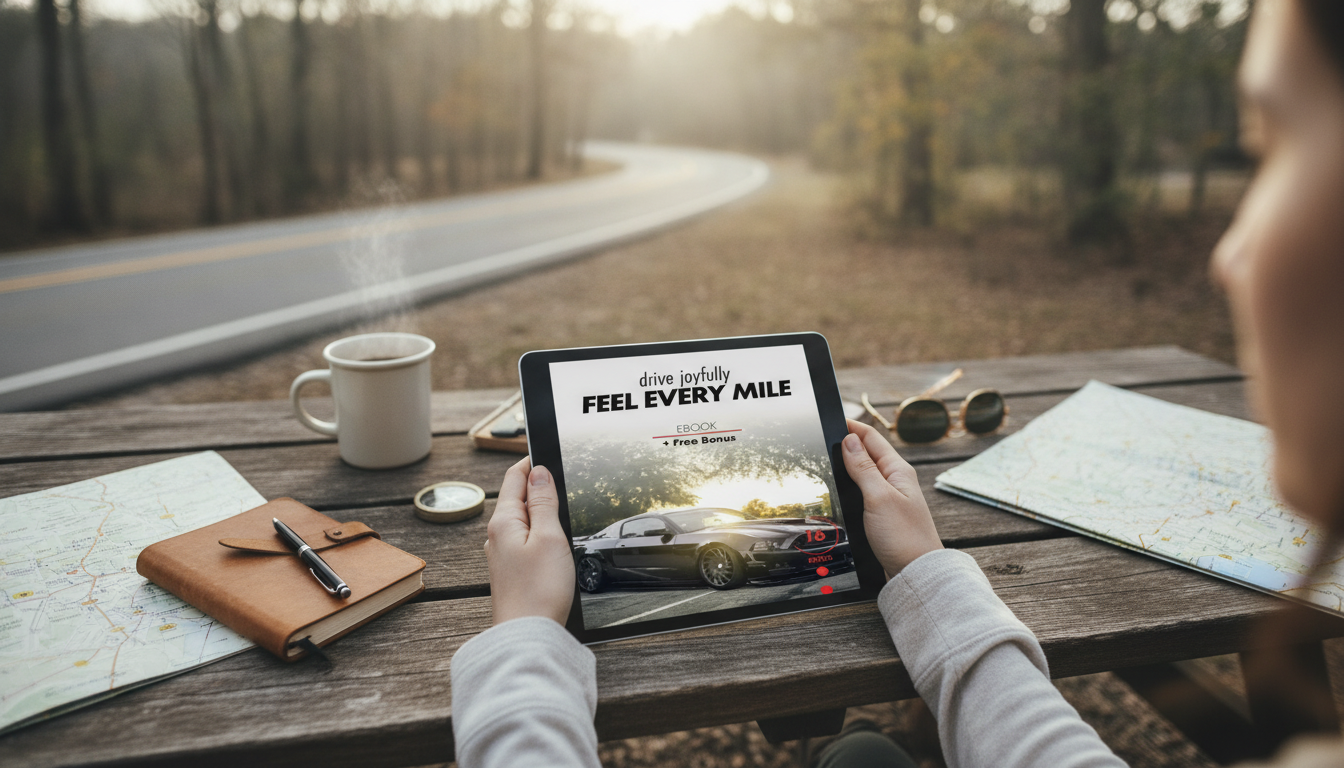
Driving can be more than a task to complete. With a few practical shifts in attention, environment, and habits, everyday trips can feel calmer, safer, and surprisingly restorative—whether it’s a short commute or a long-distance journey.
What “joyful driving” looks like in real life
Joyful driving isn’t about forcing a positive mood or pretending traffic doesn’t exist. It’s a grounded, steady way of driving that supports safety and leaves you feeling more settled when you arrive.
- A steady, unhurried pace that prioritizes safety and smoothness over speed
- Less mental noise: fewer reactive spikes of frustration, more presence and clarity
- A sense of purpose for each trip (errand, commute, road trip) beyond simply arriving
- More consistent energy after driving—arriving less drained and more settled
- Better awareness of surroundings without hypervigilance or tension
Before the engine starts: a 60-second reset
A calm drive starts before the car moves. This quick reset is designed to lower stress arousal without adding extra “to-dos.”
- Posture check: sit tall, relax shoulders, loosen jaw, soften grip on the wheel
- Breathing cue: take 3 slow breaths with longer exhales to signal “downshift”
- Micro-intention: choose one focus (smooth steering, kind patience, mindful scanning)
- Remove friction: set navigation, music, and temperature before moving
- Safety baseline: seatbelt, mirrors, phone away, and a clear dashboard
Keeping your phone out of reach matters more than willpower. The CDC and NHTSA both emphasize that distraction is a major crash risk; making “hands-free” truly “hands-off” is a meaningful safety upgrade. See: CDC—Preventing Distracted Driving and NHTSA—Distracted Driving.
Mindful attention behind the wheel (without distraction)
Mindful driving is not spacing out; it’s training attention to stay wide, steady, and road-centered. The goal is fewer spikes of reactivity and more consistent scanning.
- Use “wide attention”: notice the whole road scene rather than fixating on one car
- Anchor to helpful sensory cues: road texture, engine sound, lane lines
- Scan in a simple rhythm: mirrors → far distance → near distance → mirrors
- Label reactions silently: “tightness,” “impatience,” then return to the road
- Choose one gentle reminder at a time: too many rules becomes its own stressor
If stress makes your body “buzz,” you’re not imagining it. Stress affects the body’s systems in real ways (including tension, breathing patterns, and irritability). For a deeper overview, see APA—Stress effects on the body.
Calm commuting: turning repeating routes into recovery time
Commutes are ideal practice because they repeat. Instead of waiting for the “perfect” day to be calm, build a small ritual that makes calm more likely.
- Build a predictable commute ritual: the same start cue, and either a calming playlist or intentional silence
- Replace urgency with pacing: leave a small buffer so the drive isn’t a race
- Use red lights as recovery: relax hands, soften breathing, release facial tension
- Reduce stimulation: limit talk radio/news if it spikes stress or anger
- End-of-drive transition: take 10 seconds of stillness before stepping out to prevent carryover stress
That last step is small but powerful: it creates a boundary between “driving mode” and the next part of your day, so your nervous system doesn’t drag traffic tension into work or home.
Meaningful travel: making longer drives feel intentional
Longer drives can feel like endurance tests when the only goal is arrival. Intention adds structure and reduces the sense of being trapped in the seat.
- Plan “comfort stops,” not just fuel stops: walking breaks, hydration, light stretching
- Choose one theme for the trip: curiosity, gratitude, exploration, connection, simplicity
- Create a “scenic margin”: allow small detours or overlooks to reduce point-to-point pressure
- Pack for comfort: water, snacks, sunglasses, layers, and a tidy cabin reduce irritability
- Use conversation or silence deliberately: decide in advance what supports the mood
A helpful mindset for road trips: comfort is not a luxury; it’s a safety support. The less worn down you feel, the easier it is to stay attentive and make patient decisions.
Common mood traps—and simple replacements
Mood traps are fast, familiar thoughts that spike the body into tension. Replacements aren’t affirmations; they’re short scripts that bring you back to what matters: space, timing, and safety.
| Moment on the road | What often happens | A mindful alternative |
|---|---|---|
| Getting cut off | Brake hard, tense up, ruminate | Create distance, exhale slowly, return attention to scanning |
| Stop-and-go traffic | Grip wheel tighter, push forward aggressively | Smooth acceleration, bigger following gap, relax shoulders at each stop |
| Running late | Speeding, frequent lane changes | Pick a safe pace, accept delay, notify someone if needed |
| Long highway stretch | Zoning out or irritation builds | Rhythmic scanning, hydration reminder, planned break |
| Searching for parking | Frustration, rushed decisions | Slow down early, widen search area, treat it like a short walk is acceptable |
How to Choose: a mindful driving guide that fits the way you drive
Building a 7-day practice (small steps, noticeable change)
FAQ
Is mindful driving the same as meditation while driving?
No. Driving remains the primary task, and mindful driving is about safer awareness—steady scanning, calmer breathing, and less reactivity—without withdrawing attention from the road.
What if traffic or aggressive drivers make calm driving feel impossible?
Start with what you can control: increase following distance, slow your exhales, and avoid engagement. When possible, adjust timing or routes, and choose predictability and safety over “teaching someone a lesson.”
How can calm commutes help with stress outside the car?
They help your nervous system downshift instead of staying revved up, which reduces tension you might otherwise carry into work or home. A brief “arrival pause” can prevent traffic stress from spilling into the next part of your day.











Leave a comment