Pacific Coast Highway Road Trip: Slow, Scenic & Meaningful
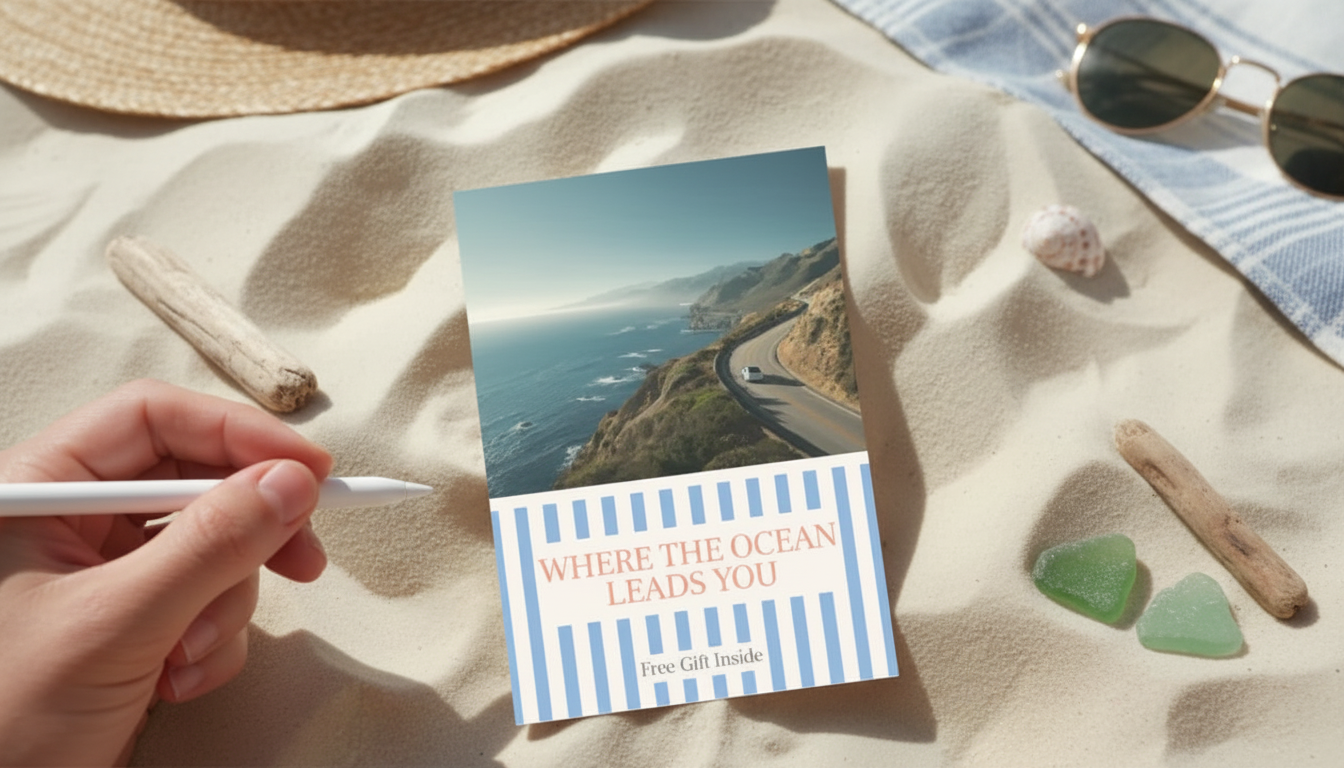
Where the Ocean Leads You: A Coastal Road Trip Along the Pacific Coast Highway
A Pacific Coast Highway drive can be more than a checklist of viewpoints—done well, it becomes a paced, present journey shaped by light, tide, small towns, and intentional stops. The coast rewards travelers who leave room for weather, curiosity, and the occasional “let’s pull over” moment. Below is a flexible route framework, practical planning basics, and a few reflective ideas to help the trip feel unhurried and memorable.
What Makes a Pacific Coast Highway Drive Feel Meaningful
The most satisfying PCH trips usually have a quiet structure underneath them. Not an overstuffed schedule—more like a gentle theme, a few anchors, and enough breathing room to notice the coastline instead of racing past it.
- Choose a theme: follow tides and beaches, collect lighthouse stops, focus on coastal hikes, chase farm stands and seafood shacks, or prioritize quiet overlooks.
- Build in “empty time” daily: plan for unplanned pullouts, tidepooling, or a long coffee stop where the fog rolls in and out like a curtain.
- Pick a few anchors, not dozens of stops: one sunrise, one long walk, one local meal, one scenic detour can be enough to define the day.
- Create simple rituals: a daily photo from the same angle, a quick journal line, or a region-specific soundtrack (redwoods, Big Sur cliffs, beach towns).
Route Options and When to Go
Direction matters less than pacing, but it can change the feel of the drive. North-to-south often feels calmer with the ocean on the passenger side and frequent vista points; south-to-north can feel more dramatic, especially when late-day sun hits the cliffs.
- Spring: wildflowers, clearer air, and a fresher, “just-washed” look after winter rains.
- Summer: long days and lively towns, but bigger crowds and tighter parking.
- Fall: softer light, fewer bookings, and warmer water in some areas.
- Winter: storm watching and moody skies—beautiful, but plan cautiously and monitor conditions.
Plan around pinch points: Big Sur closures, weekend traffic near major beach towns, and limited parking at famous viewpoints. A good target is 2–5 hours of driving per day so stops stay enjoyable rather than rushed. For current construction and closures, check Caltrans Road Conditions before you commit to a long coastal segment.
Sample Pacific Coast Highway pacing (adjust to interests and road conditions)
| Trip length | Best for | Suggested nightly bases | Daily rhythm |
|---|---|---|---|
| Weekend (2–3 days) | A quick reset with big views | Monterey/Carmel, San Luis Obispo, Santa Barbara | 1 signature stop + 2 short pullouts + 1 sunset viewpoint |
| Mid-length (4–6 days) | A balanced mix of hiking, towns, and beaches | San Francisco/Marin, Mendocino, Monterey, Big Sur area, Santa Barbara | Morning walk + midday scenic drive + late lunch + golden-hour stop |
| Full coast (7–10 days) | Slow travel and detours | Seattle/Portland add-on optional; then North Coast, Bay Area, Central Coast, LA, Orange County, San Diego | Short drives + regional “deep days” with minimal mileage |
Scenic Stops That Reward Slowing Down
Instead of building a rigid list, think in “coastal regions” and choose a few stops that match your theme and energy. The best moments often happen between the famous points—when the light shifts, the wind drops, or the tide reveals a new edge of the shore.
- Northern Coast: foggy headlands, redwood side trips, quiet beaches, and bluff trails where you can hear waves from far above the waterline.
- Bay Area to Monterey: coastal overlooks, wharfs and aquariums, cypress-lined drives, and tidepool coves that feel like small worlds at your feet.
- Big Sur: short hikes to cliff views, dramatic bridges, and pullouts that are best in morning calm or in late-day glow.
- Central Coast: farm stands, uncrowded dunes, sea otter watching, and towns that feel happiest when you linger over lunch.
- Southern Coast: harbor walks, cliffside paths, and sunset beaches with easy amenities—ideal for ending days without a scramble.
If you want a broader inspiration map for classic Highway 1 highlights, Visit California’s Highway 1 road trip guide is a helpful starting point.
Planning Essentials: Lodging, Fuel, Safety, and Connectivity
For general trip-safety practices and park planning, the National Park Service travel planning tips are a solid reference.
A Simple Packing List for Comfort and Presence
Reflective Moments: Turning Miles Into Memories
A Ready-to-Use Guide for a Purposeful Coastal Drive
If you like the idea of traveling with intention—without over-scheduling—Where the Ocean Leads You | Coastal Road Trip Pacific Coast Highway Guide for a Meaningful Drive is built around pacing, memorable stops, and a calmer rhythm that still leaves room for spontaneity.
For travelers who enjoy pairing outer journeys with an inner reset, Shine From Within: Your Guide to a Strong, Positive Self-Image – Build Confidence, Overcome Self-Doubt & Master Self-Love is a supportive companion—especially for trips that are partly about reclaiming space, confidence, and quiet.
FAQ
How many days are ideal for a Pacific Coast Highway road trip?
Two to three days works for a quick reset with a few signature viewpoints, while four to six days allows a balanced mix of hikes, towns, and beaches. Seven to ten (or more) is ideal if you want slower mornings, detours, and full “deep days” with minimal driving.
Is it better to drive the Pacific Coast Highway north-to-south or south-to-north?
North-to-south often feels easier for frequent vista points and a calmer flow, while south-to-north can deliver dramatic late-day sun and a different perspective on the cliffs. Either direction works well with smart timing, realistic daily mileage, and planned pullouts.
What should be checked before driving through Big Sur?
Verify current road conditions and any closures, plan fuel carefully, and expect limited cell service. It also helps to keep lodging flexible and have an alternate route in mind in case conditions change.











Leave a comment