Eat for Glowing Skin: Nutrients, Routine + Download
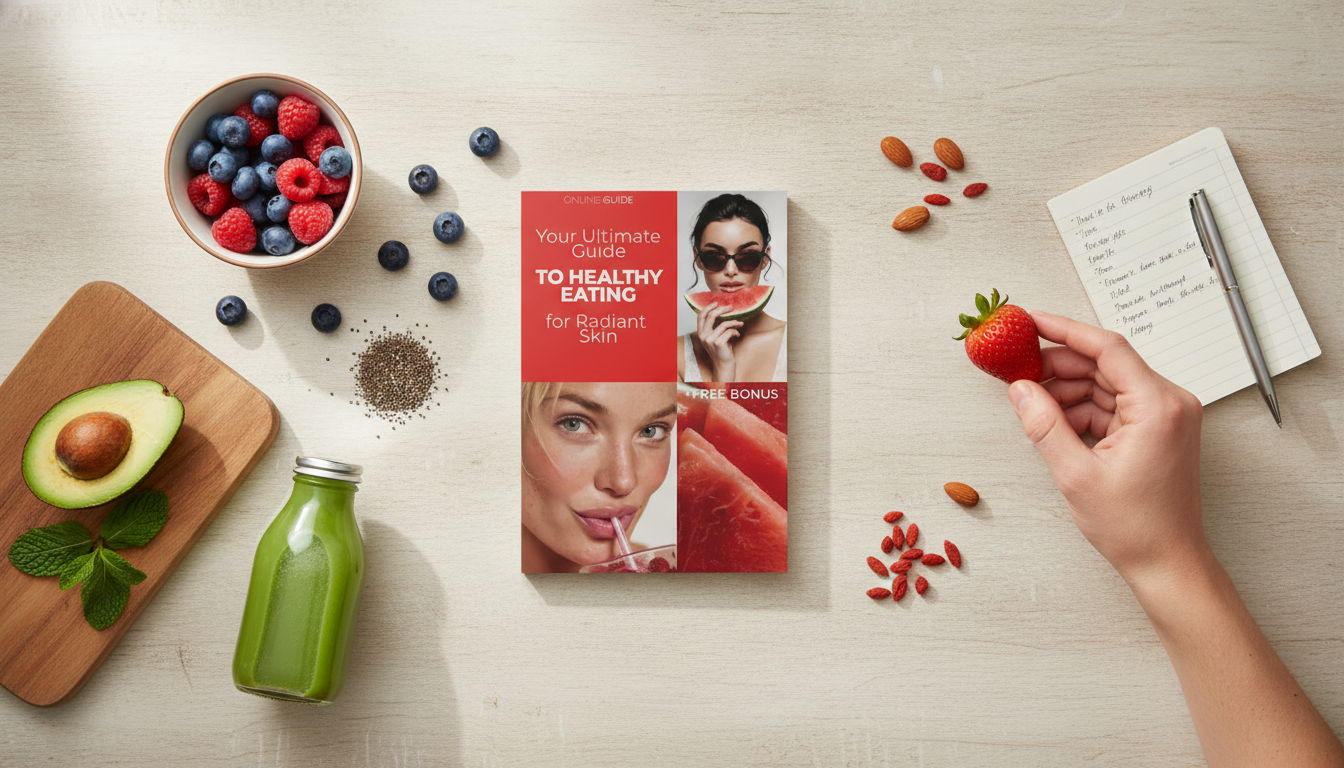
Healthy Eating for Radiant Skin: A Practical Food-First Guide + Digital Download
Radiant skin is built as much in the kitchen as it is in the bathroom. The right mix of hydration, antioxidants, healthy fats, protein, and skin-supportive micronutrients can help strengthen the skin barrier, support collagen formation, and calm visible inflammation. Below is a practical, repeatable approach to eating for a healthy-looking glow—plus a simple digital download that turns the ideas into an easy weekly routine.
What “glow” usually reflects inside the body
When skin looks bright and even, it often reflects a few behind-the-scenes basics that food and fluids help support.
- A resilient skin barrier: supported by essential fatty acids, adequate protein, and hydration.
- Even tone and calm texture: influenced by antioxidant intake and overall inflammatory load.
- Firmer look over time: collagen production depends on vitamin C, protein, zinc, and copper.
- Fewer dehydration lines: affected by fluid intake and electrolyte balance, not water alone.
- Slower visible dullness: tied to micronutrient density and stable blood sugar patterns.
For grounded nutrition guidance, sources like Harvard T.H. Chan School of Public Health – The Nutrition Source and the American Academy of Dermatology Association can be helpful references.
Core nutrients that support radiant-looking skin
Skin-friendly eating isn’t about one “miracle” food. It’s about stacking consistent exposures to key nutrients that support barrier function, repair, and antioxidant defense.
- Vitamin C: citrus, kiwi, berries, bell peppers (supports collagen formation and antioxidant defense). The NIH Office of Dietary Supplements – Vitamin C Fact Sheet offers a clear overview.
- Vitamin E: almonds, sunflower seeds, avocado (works alongside vitamin C to protect cell membranes).
- Omega-3 fats: salmon, sardines, chia, flax, walnuts (supports barrier function and may reduce dryness).
- Zinc: pumpkin seeds, lentils, seafood (supports wound healing and balanced oil production).
- Vitamin A carotenoids: sweet potato, carrots, spinach (supports normal skin cell turnover).
- Protein: eggs, poultry, tofu, beans, Greek yogurt (provides amino acids used for collagen and repair).
- Polyphenols: green tea, cocoa, colorful fruits (help counter oxidative stress).
Skin-supportive nutrients at a glance
| Nutrient | Why it matters for skin | Food examples | Easy daily target |
|---|---|---|---|
| Vitamin C | Supports collagen formation and antioxidant protection | Kiwi, oranges, strawberries, bell peppers | 1–2 vitamin C-rich servings |
| Omega-3 fats | Supports moisture barrier and calmer-looking skin | Salmon, sardines, chia, flax, walnuts | 1 omega-3 source most days |
| Zinc | Supports healing and balanced sebum | Pumpkin seeds, lentils, oysters, beef | 1 zinc-rich serving |
| Vitamin E | Protects cell membranes; complements vitamin C | Almonds, sunflower seeds, avocado | Small handful or 1/2 avocado |
| Protein | Provides building blocks for repair and firmness | Eggs, tofu, chicken, beans, yogurt | 20–35 g per meal (adjust as needed) |
A balanced plate pattern that’s easy to repeat
If you want visible results without tracking every bite, use a simple plate pattern you can repeat in different cuisines.
- Half the plate: colorful plants (leafy greens + orange/red/purple produce for carotenoids and polyphenols).
- Quarter of the plate: protein (aim for consistency at each meal to support repair and satiety).
- Quarter of the plate: fiber-rich carbs (beans, oats, brown rice, quinoa, potatoes with skin).
- Add healthy fats: olive oil, avocado, nuts/seeds to support barrier function and nutrient absorption.
- Include fermented foods if tolerated: yogurt, kefir, kimchi, sauerkraut for gut-skin axis support.
- Hydration baseline: water plus mineral-rich fluids (soups, herbal tea, electrolyte-containing foods).
One practical cue: if a meal has protein + color + fiber, you’re usually doing the “skin basics” well.
Foods that commonly trigger dullness or breakouts (and smarter swaps)
Triggers vary, but a few patterns are common. Instead of eliminating everything at once, adjust one lever and watch for changes over 2–3 weeks.
- High-glycemic patterns: sugary drinks, candy, refined snacks can spike insulin and increase inflammation in some people. Swap to fruit + protein (apple + peanut butter) or yogurt + berries.
- Ultra-processed, high-sodium meals: may worsen puffiness. Swap to simple meals built around whole ingredients (protein + roasted veggies + a grain).
- Excess alcohol: dehydrates and can impair barrier function. Alternate with water and prioritize alcohol-free days.
- Highly variable triggers: dairy/whey, spicy foods, and high-iodine foods can affect certain individuals. Track patterns before removing whole food groups.
Simple 7-day routine: make the glow automatic
Consistency beats complexity. A small set of defaults reduces decision fatigue and makes skin-supportive nutrition feel effortless.
If you want a ready-to-use structure (grocery cues, daily targets, and meal templates), Your Ultimate Guide to Healthy Eating for Radiant Skin – A Digital Download for Glowing Skin Tips keeps the routine simple and repeatable.
Digital download: keep the plan on track without overthinking
Confidence can also shape how “glow” shows up day-to-day—sleep, stress, and self-care routines tend to improve when you feel grounded. For an additional mindset-focused companion, Shine From Within: Your Guide to a Strong, Positive Self-Image supports consistent self-care habits that pair well with nutrition.
When to consider professional guidance
FAQ
How long does it take for diet changes to show on skin?
Hydration-related changes can show up within days, but visible improvements in tone and texture usually track with skin turnover, which often takes several weeks. Aim for consistent habits for 4–12 weeks before judging results.
What are the best foods for glowing skin on a budget?
Build meals around frozen berries/spinach, canned salmon or sardines, beans and lentils, oats, eggs, carrots or sweet potatoes, and seasonal produce. These options deliver protein, omega-3s, fiber, and antioxidants without a high price tag.
Does drinking more water automatically clear skin?
Better hydration can support a smoother, less dull appearance, but it’s not a standalone fix for breakouts. Skin typically responds best to a combination of fluids, mineral-rich foods, balanced meals, sleep, and a simple skincare routine.









Leave a comment