Do AI Diet Plans Help You Lose Weight? Realistic Results
Has anyone lost weight with an AI diet plan?
Yes—people do lose weight using AI diet plans, especially when the plan is built around realistic calorie targets, higher-protein meals, and a schedule they can actually follow. The best results tend to come from AI that personalizes portions and meals to your stats and preferences, then helps you stay consistent with weekly planning and shopping.
That said, AI doesn’t “cause” weight loss on its own. Weight loss still comes down to a sustained calorie deficit, adequate protein and fiber, sleep, and adherence. Where AI helps is removing friction: it can generate repeatable meal templates, adjust macros, swap ingredients when you’re busy, and keep variety high enough that you don’t quit.
What typically makes an AI diet plan work for weight loss?
The strongest success stories usually share a few common pieces:
- Accurate inputs: age, height, weight, activity level, dietary restrictions, and goal rate of loss.
- Portion control built-in: meals that “look normal” but are calorie-aware.
- Protein-forward structure: helps with satiety and muscle retention, especially when paired with strength training.
- Weekly planning: fewer last-minute takeout decisions and easier grocery runs.
- Iterative adjustments: if weight stalls, the plan updates portions or meal frequency instead of starting over.
What results should you realistically expect?
Many people aim for about 0.5–1.0% of body weight per week, but outcomes vary based on starting weight, activity, and consistency. If an AI plan is too aggressive, too restrictive, or doesn’t match your food preferences, adherence drops—and results follow. A better approach is a plan you can run for months, not days.
How to make an AI diet plan safer and more effective
Use AI as a planning assistant, then sanity-check the basics: calories aren’t extremely low, protein is sufficient, fruits/vegetables show up daily, and the meals fit your schedule. If you have diabetes, pregnancy, a history of eating disorders, or take medications affected by diet, confirm changes with a clinician.
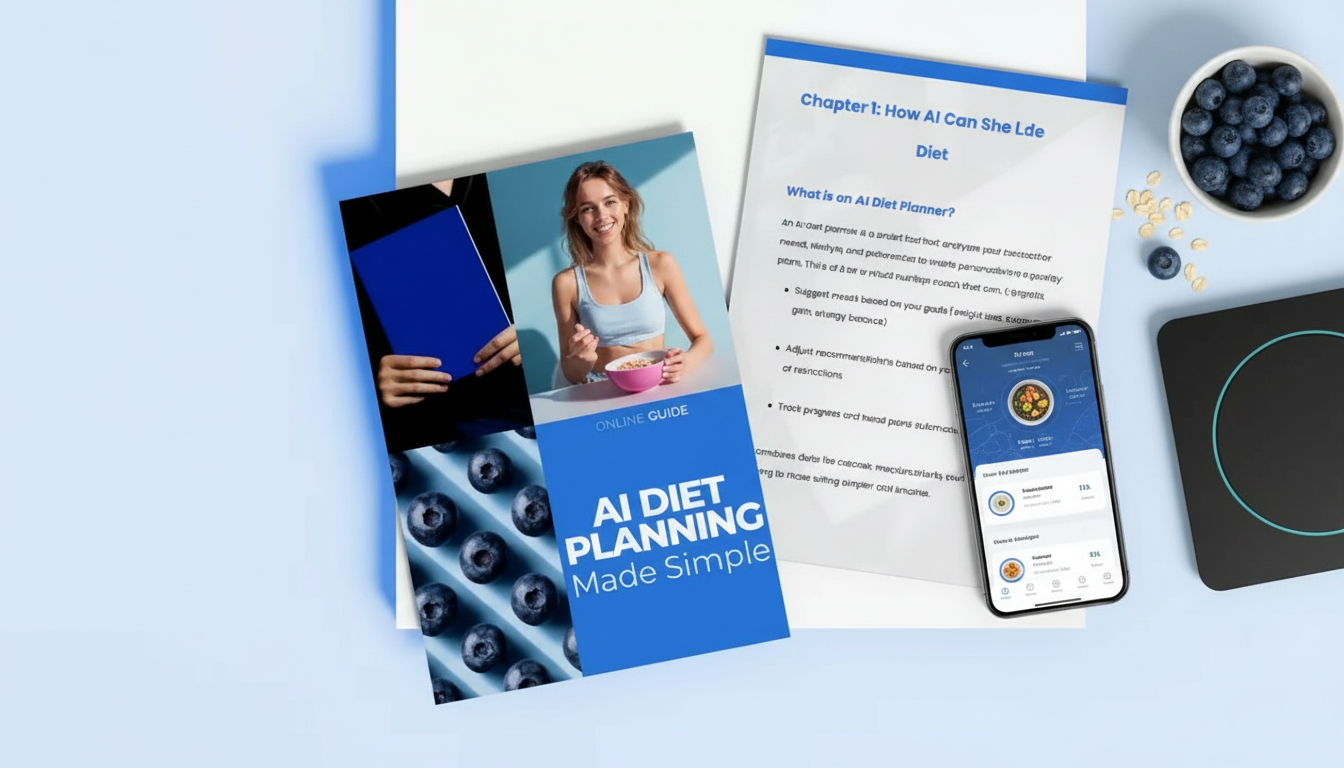
For a practical walkthrough of building personalized weekly meals, see AI diet planning made simple: personalized weekly meals.
FAQ
What should I track to know if my AI diet plan is working?
Track weekly average weight (not daily fluctuations), waist measurement, and adherence (how many planned meals you actually ate). If progress stalls for 2–3 weeks, adjust calories, portions, or activity rather than changing everything at once.










Leave a comment