Sports Gear Care Routine: 5-Min Reset + Weekly Clean
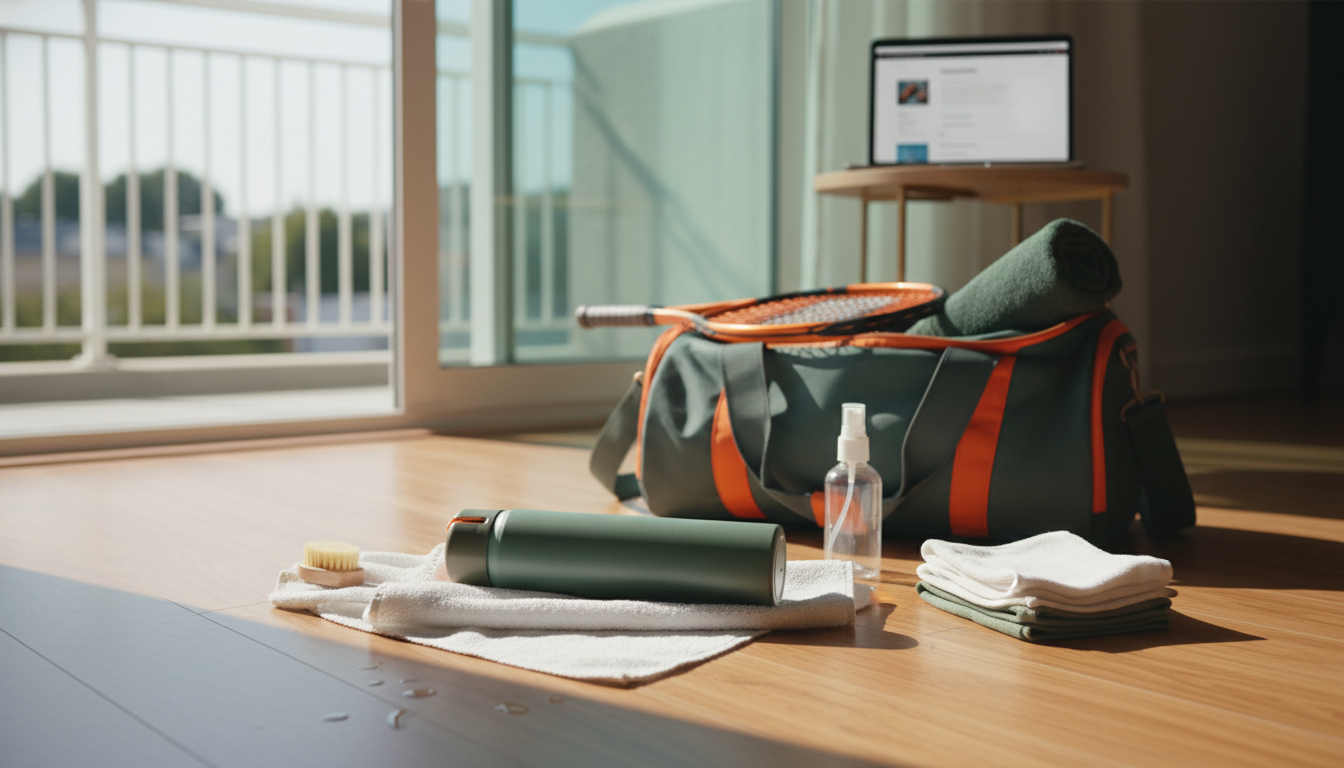
Train Smarter and Make Your Gear Last: A Practical Sports Gear Care Routine for Athletes
A consistent care routine keeps equipment safer, more comfortable, and longer-lasting—without adding much time to a training week. Use the steps below to cut odors, reduce wear, prevent common damage (like warped foam or cracked plastics), and build a simple checklist you can repeat after every session.
Why gear care is part of performance
Gear maintenance isn’t a “nice to have.” It’s directly tied to how your equipment fits, feels, and protects you across a long season.
- Comfort and fit: sweat, salt, and grime stiffen fabrics and change how straps, liners, and closures sit on the body.
- Skin health: damp gear and shared surfaces increase the chance of irritation and infections; drying and cleaning matter as much as disinfecting.
- Safety: degraded padding, frayed straps, and cracked shells reduce protection and can fail under load.
- Budget: small habits (air-dry, rinse, rotate) often prevent the most expensive replacements.
For general guidance on cleaning laundry safely, the CDC’s laundry recommendations are a helpful baseline—especially when you’re dealing with sweaty base layers or shared training environments.
The 5-minute post-workout reset
This quick reset is the highest-return habit you can build. The goal is simple: stop moisture from sitting, and remove sweat film before it “sets.”
- Air it out immediately: open bags, loosen straps, remove insoles/liners, and separate wet items to prevent trapped moisture.
- Quick rinse when needed: a cold water rinse for salt and sweat (especially compression gear, gloves, and straps) helps before it dries in.
- Wipe hard surfaces: helmets, pads, goggles, and grips benefit from a damp wipe to remove sweat film before it builds up.
- Dry correctly: prioritize airflow; use a fan, boot/gear dryer on low/no heat, or hang items away from direct sunlight.
- Bag hygiene: turn the bag inside-out to shake debris; wipe the base and zippers weekly so odor doesn’t transfer back to clean gear.
If you train frequently, set a “drying zone” at home (hook, rack, or ventilated shelf). When drying is automatic, everything else gets easier.
Weekly deep-clean plan by gear type
Once per week (or sooner during heavy blocks), do a deeper clean that targets odor hotspots: straps, seams, liners, and insoles.
Apparel (synthetics)
- Wash inside-out in cold or warm water (follow the label).
- Skip fabric softener; it can coat fibers and trap odor.
- Dry completely before storing—“slightly damp” turns into “permanent funk.”
Footwear
- Remove insoles and laces; brush off grit that grinds down fabrics.
- Spot-clean uppers; dry slowly to protect adhesives and shape.
- If odor is building, rotate shoes more aggressively so each pair fully dries between sessions.
Protective gear (pads/guards)
- Hand-wash where possible; wipe shells and focus on straps and seams.
- Let padding rebound and dry with airflow—compressed, damp foam loses performance faster.
Accessories (gloves, wraps, belts)
- Rinse after heavy sessions; dry flat and reshape while damp.
- Close Velcro before washing or drying to prevent snags and lint buildup.
Water bottles/bladders
- Wash and dry completely; store open so moisture can’t linger.
- Pay attention to mouthpieces, caps, and threads where residue collects.
For athlete foot prevention basics—especially if you share locker rooms or shower areas—review the American Academy of Dermatology’s tips and pair them with consistent sock/shoe drying.
Common mistakes that shorten gear life
If disinfection is needed (shared gear, illness, high-contact environments), choose products carefully and follow label directions; the EPA’s List N resource is useful for understanding disinfectant options.
Quick reference: what to do (and avoid) for popular items
| Item | After each session | Weekly | Avoid |
|---|---|---|---|
| Compression apparel | Hang to dry ASAP; quick rinse if very salty | Wash inside-out; no softener | Fabric softener; high heat |
| Running shoes | Remove insoles; air-dry with airflow | Brush off dirt; spot-clean | Direct heater; machine dryer |
| Gym gloves | Air-dry open; wipe palms | Hand-wash; reshape while damp | Sealing in bag; hot water |
| Helmet/pads | Wipe interior/exterior; dry fully | Hand-clean straps/liners | Bleach soaking; high heat |
| Yoga mat | Wipe down; dry flat | Deeper clean per material | Leaving rolled wet; harsh solvents |
| Water bottle/bladder | Rinse; dry uncapped | Wash with brush; fully dry | Storing closed while damp |
Build a simple rotation system that prevents stink and wear
For a ready-to-print system, Train Smarter and Make Your Gear Last – Sports Gear Care Guide (digital download) organizes the routine into quick reset steps, weekly deep-clean prompts, and inspection notes you can reuse all season.
Downloadable checklist for a repeatable routine
If you’re also building a more sustainable training rhythm (so you’re not constantly digging out of fatigue), Energy Up, Move Smart – Digital Fitness Guide (eBook + checklist) pairs well with a gear routine—because recovery, consistency, and preparation tend to rise together.
When to replace instead of clean
FAQ
How often should sports gear be washed?
Wash base layers and socks after every use, and do weekly cleaning for gloves and pads (sooner if they get heavily soaked). Helmets and other hard gear should be wiped down after sessions and allowed to dry fully.
What removes sweat odor from synthetic workout clothes without damaging them?
Rinse promptly when possible, wash inside-out, and avoid fabric softener, which can trap odor in synthetic fibers. Focus on complete drying, and use oxygen-based boosters only if the care label allows.
Is it safe to disinfect helmets and protective gear?
Yes—when needed—using a clean-then-disinfect approach and products that won’t degrade the materials. Avoid harsh chemical soaking (like bleach baths) unless the manufacturer explicitly allows it, and always dry thoroughly afterward.











Leave a comment